It Started as Stomach Pain…” A Real Story of Appendix Removal Surgery Recovery in Chembur
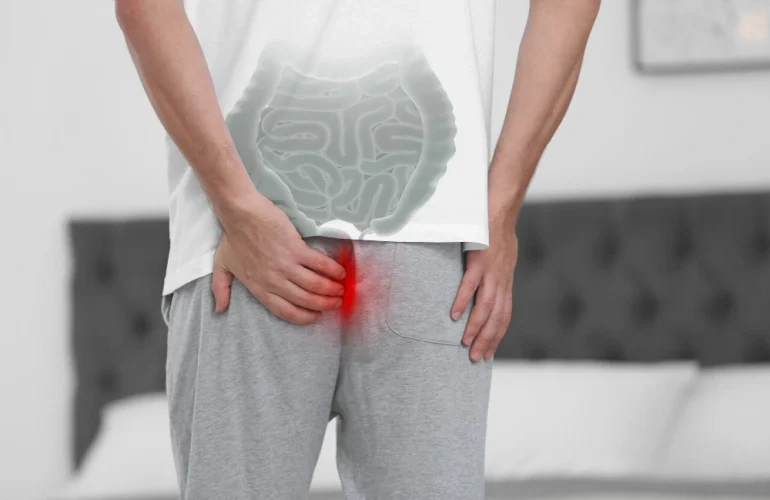
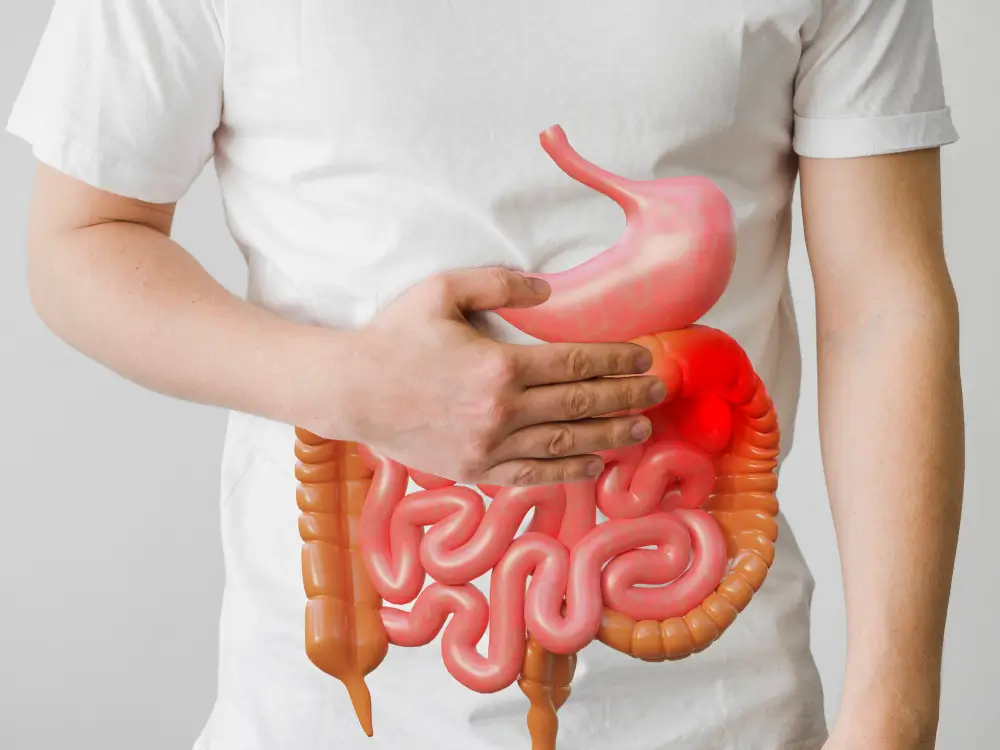
It started as a mild stomach ache, something most people would ignore. But within hours, the pain became sharper and more focused on the lower right side of the abdomen. What seemed like a simple digestive issue quickly turned into a medical emergency.
This is a common way appendicitis begins. Many patients delay treatment, thinking it’s just gas or acidity. However, timely diagnosis and surgery are crucial. More importantly, understanding appendix removal surgery recovery can help patients feel prepared and confident about the healing process.
The Beginning, Just a Normal Stomach Pain
Initially, the discomfort felt like bloating or indigestion. There was no urgency, and daily activities continued as usual. However, as hours passed, the pain intensified and became difficult to ignore.
This phase is where many people misjudge the seriousness of appendicitis. Early symptoms can be misleading, which is why awareness is important.
When the Pain Got Worse
As the pain became sharper, it started affecting movement. Walking, sitting, or even lying down felt uncomfortable. Nausea and a slight fever followed, making it clear that this was not just a routine stomach issue.
At this stage, delaying medical help can be risky. Appendicitis can worsen quickly and may even lead to rupture if not treated on time.
Diagnosis & Emergency Surgery
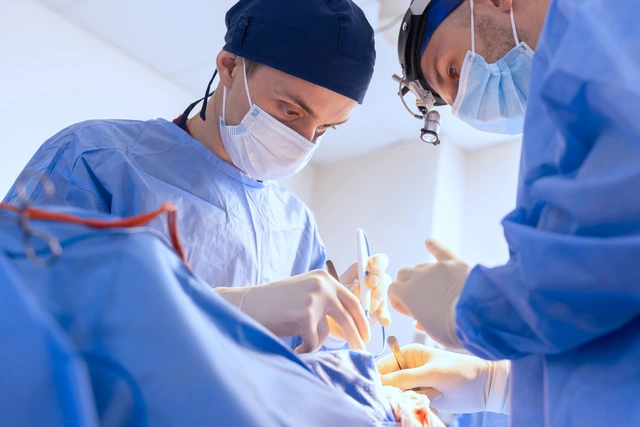
After reaching the hospital, doctors performed a physical examination along with imaging tests. The diagnosis confirmed appendicitis, and immediate surgery was advised.
Appendix removal surgery (appendectomy) is a common and safe procedure. In most cases, laparoscopic surgery is performed, which involves smaller incisions and faster recovery.
Appendix Removal Surgery Recovery – What Happens Next
After surgery, the focus shifts to healing. Appendix removal surgery recovery usually begins within a few hours once the effects of anaesthesia wear off.
Patients may experience mild pain, fatigue, and limited movement initially. However, with proper care and guidance, recovery is generally smooth and quick.
Recovery Timeline After Appendix Surgery
Recovery varies from person to person, but a general timeline looks like this:
- First 24–48 hours: Rest and limited movement
- 3–5 days: Gradual return to light activities
- 1–2 weeks: Most daily activities resume
- 3–4 weeks: Full recovery (especially after laparoscopic surgery)
Following medical advice during this period is essential for avoiding complications.
A Quick Note on Diet & Digestive Health
While recovering from surgery, maintaining good digestive health is important. Many patients also ask unrelated but common concerns, like which juice is good for piles.
Fresh juices such as:
- Aloe vera juice
- Pomegranate juice
- Buttermilk (chaas)
can support digestion and reduce strain during bowel movements. Although this is not directly related to appendicitis recovery, a healthy digestive system always supports faster healing.
When Should You Visit a Doctor Again?
Even after surgery, certain symptoms should not be ignored. Patients should consult a doctor if they notice:
- Persistent or increasing pain
- Fever or chills
- Redness or swelling near the incision
- Difficulty in digestion
Early follow up ensures that recovery stays on track.
Conclusion
What begins as a simple stomach pain can quickly turn into a serious condition like appendicitis. However, with timely treatment and proper care, recovery is usually smooth.
Understanding appendix removal surgery recovery helps patients stay informed, reduce anxiety, and take the right steps toward healing.
Frequently Asked Questions About Appendix Removal Surgery Recovery
Most patients recover within 1 to 3 weeks after laparoscopic surgery. However, full recovery may take up to 4 weeks, depending on individual health and activity levels.
Mild to moderate pain is common after surgery, especially in the first few days. This can be managed effectively with prescribed medications and proper rest.
It is best to avoid oily, spicy, and heavy foods during the early recovery phase. Light, easily digestible meals help support faster healing.
Light activities can usually be resumed within a few days, but strenuous activities and heavy lifting should be avoided for at least 2 to 3 weeks.
Yes, early symptoms of appendicitis often feel like gas or indigestion. However, persistent or worsening pain, especially in the lower right abdomen, should be checked by a doctor.
Don’t Ignore the Pain – Get Checked Today
If you are experiencing persistent abdominal pain or recovering from appendix surgery, consult the specialists at Kolekar Hospital, Chembur, for accurate diagnosis and personalised treatment. Our experienced team ensures safe surgery and faster recovery with advanced care.
👉 Book your appointment today or call now for immediate assistance.