
Gallbladder Gastroenterology General surgery Gynecology

Gallstones Causing Pain? When Is Laparoscopic Surgery Needed?

Gallstones Causing Pain? When Is Laparoscopic Surgery Needed?

Gallstones causing pain is a common problem that affects many adults. The gallbladder plays an important role in digestion by storing bile, but when hardened deposits called gallstones form, they can block bile flow and cause severe discomfort. While some people may have gallstones without symptoms, others experience sudden abdominal pain, nausea, and digestive problems. In such cases, understanding the symptoms and knowing when laparoscopic gallbladder surgery is needed becomes important.

What Are Gallstones?

Gallstones are solid particles that develop in the gallbladder, a small organ located below the liver. The gallbladder stores bile, a digestive fluid that helps the body break down fats.

Gallstones usually form when the chemical balance of bile becomes disturbed.

The two main types of gallstones include:

Cholesterol Stones
These are the most common type and occur when bile contains too much cholesterol.

Pigment Stones
These stones are smaller and darker and form due to excess bilirubin in bile.

Gallstones can vary in size. Some may be tiny like grains of sand, while others can grow large enough to block bile ducts.

Common Symptoms of Gallstones

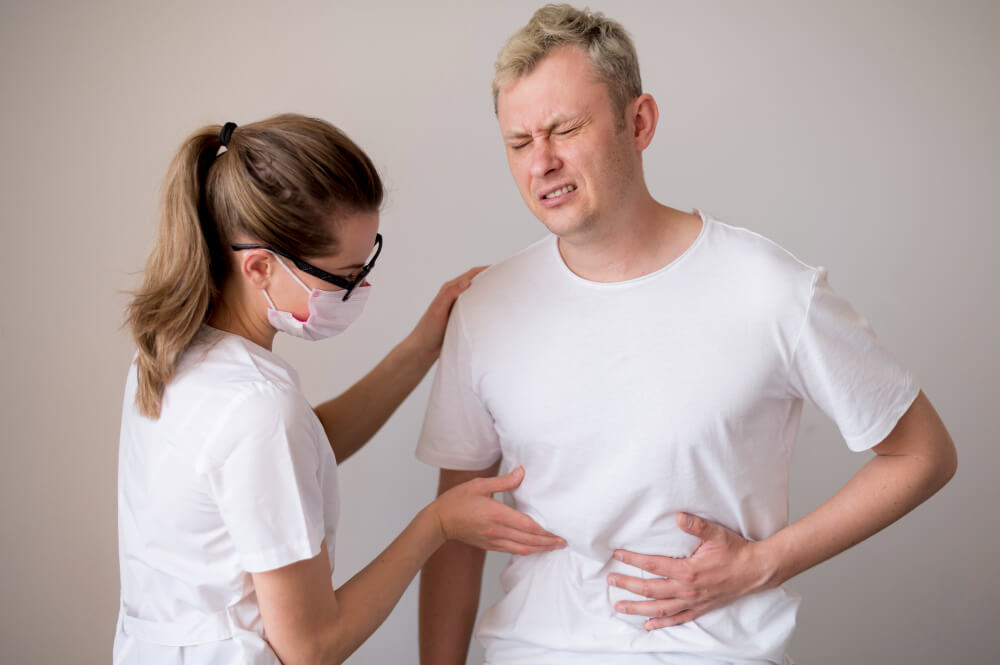
Gallstones causing pain often occur when a stone blocks the bile duct and prevents bile from flowing normally..

Common symptoms include:

  • Sudden pain in the upper right side of the abdomen
  • Pain that spreads to the back or right shoulder
  • Nausea and vomiting
  • Bloating and indigestion after eating fatty foods
  • Fever or chills in severe cases
  • Yellowing of the skin or eyes (jaundice)

These symptoms can last from several minutes to a few hours and may occur after eating heavy or oily meals.

Why Do Gallstones Cause Pain?

Gallstones cause pain when they block the flow of bile from the gallbladder. When bile cannot flow normally, pressure builds up inside the gallbladder, causing pain and inflammation.

If the blockage continues, the gallbladder may become inflamed. This condition is known as cholecystitis, which may require urgent medical treatment.

Repeated gallbladder attacks can significantly affect a person’s quality of life and increase the risk of complications.

When Is Laparoscopic Surgery Needed?

Not all gallstones require surgery. If the stones are not causing symptoms, doctors may simply monitor the condition. However, laparoscopic gallbladder surgery is often recommended in the following situations:

Repeated Gallbladder Attacks

If a person experiences frequent episodes of severe abdominal pain caused by gallstones, surgery may be recommended to prevent further attacks.

Gallbladder Inflammation

Gallstones that block bile flow can cause infection and inflammation of the gallbladder.

Bile Duct Blockage

Sometimes gallstones move into the bile duct and block the flow of bile, leading to jaundice and other complications.

Gallstone-Related Pancreatitis

In rare cases, gallstones can block the pancreatic duct and lead to inflammation of the pancreas.

In these situations, removing the gallbladder is considered the most effective long-term treatment.

What Is Laparoscopic Gallbladder Surgery?

Laparoscopic gallbladder surgery, also known as laparoscopic cholecystectomy, is a minimally invasive procedure used to remove the gallbladder.

During the procedure:

  • Small incisions are made in the abdomen
  • A small camera called a laparoscope is inserted
  • Surgical instruments are used to remove the gallbladder

Because the procedure is minimally invasive, patients typically experience:

  • Less pain
  • Smaller scars
  • Faster recovery
  • Shorter hospital stay

Most patients are able to return to normal activities within a few days.

Recovery After Laparoscopic Gallbladder Surgery

Recovery from laparoscopic surgery is usually quick and smooth.

Most patients can:

  • Walk within a few hours after surgery
  • Go home the same day or the next day
  • Resume light activities within a week

Doctors may recommend avoiding very fatty foods initially while the body adjusts to digesting food without the gallbladder.

Early symptoms of gallstones may include upper abdominal pain, bloating, nausea, and discomfort after eating fatty foods. Some people may also experience pain that spreads to the back or shoulder

No. Gallstones that do not cause symptoms may not require treatment. However, surgery is recommended if gallstones cause pain or complications.

Yes, laparoscopic surgery is a commonly performed and safe procedure. It involves smaller incisions and allows faster recovery compared to traditional surgery.

Most patients recover within one to two weeks and can resume normal activities soon after surgery.

Yes. The liver continues to produce bile even after the gallbladder is removed, allowing the body to digest food normally.

Untreated gallstones may lead to complications such as gallbladder inflammation, bile duct blockage, jaundice, or pancreatitis.

Gallstones can range from a silent condition to a painful problem that interferes with daily life. While some gallstones may not require treatment, recurring pain and complications often require medical intervention.

Laparoscopic gallbladder surgery provides a safe and effective solution for patients suffering from symptomatic gallstones. Early diagnosis and timely treatment can help prevent serious complications and improve overall digestive health. If you experience persistent abdominal pain or symptoms of gallbladder attacks, consulting a healthcare professional is the best step toward proper care and recovery.

Name: Kolekar Hospital

Phone (OPD): +91 75069 45763

Phone (IPD): +91 81049 61896 

Email: kolekaraditya@gmail.com

Address:
Omprakash Arcade, 2nd, 3rd & 4th Floor,
Ambedkar Garden, Chembur,
Mumbai – 400071, Maharashtra, India

Yes. The liver continues to produce bile even after the gallbladder is removed, allowing the body to digest food normally.

Loading

Gynecology

Which Size of Fibroid is Dangerous? Symptoms, Risks, and Treatment Options

Introduction

Fibroids, also known as uterine fibroids or leiomyomas, are non-cancerous growths that form in or around the uterus. While common and usually harmless, they can cause significant health issues based on their size, location, and rate of growth.

A frequently asked question is:
“Which size of fibroid is dangerous?”

The answer isn’t one-size-fits-all. A fibroid can be dangerous not only because of its size but also due to its location and associated symptoms. In this article, Kolekar Hospital’s experts break down how fibroid size correlates with risk, and when medical intervention becomes necessary.

What Are Uterine Fibroids?

Uterine fibroids are benign tumors made up of muscle and fibrous tissue. They usually appear in women during their reproductive years and can be solitary or multiple.

Common Types of Fibroids

Type of FibroidLocationPossible Symptoms
IntramuralWithin the muscular wall of the uterusHeavy periods, pelvic pressure
SubserosalOutside the uterine wallAbdominal swelling, pressure on bladder/bowel
SubmucosalInside the uterine cavityHeavy bleeding, infertility
PedunculatedOn a stalk, inside or outside uterusPain, torsion (twisting), pressure

Fibroid Size Chart: Classifying the Risk

Understanding fibroid sizes helps determine how dangerous they can be:

CategorySize (Centimeters)Size Equivalent
SmallLess than 2 cmPea or blueberry
Medium2–5 cmGrape to lime
Large5–10 cmOrange to grapefruit
Very LargeMore than 10 cmMelon or larger

Which Size of Fibroid Is Dangerous?

1. Fibroids Larger Than 5 cm

  • Fibroids over 5–6 cm are more likely to compress nearby organs, especially:
    • Bladder → frequent urination or retention
    • Bowel → constipation, bloating
    • Ureters → kidney function issues
  • They may cause:
    • Severe pelvic pain
    • Visible abdominal swelling
    • Heavy menstrual bleeding leading to anemia

2. Small Fibroids in Sensitive Locations

  • Even 1–2 cm fibroids in the uterine cavity (submucosal) can:
    • Interfere with pregnancy
    • Cause recurrent miscarriages
    • Trigger abnormally heavy periods

3. Rapidly Growing Fibroids

  • Any fibroid that grows quickly over a short period should be evaluated.
  • Rapid growth is uncommon but may signal a rare type of uterine cancer (leiomyosarcoma), especially after menopause.

4. Multiple Fibroids

  • Having multiple medium-sized fibroids can distort the uterus and create cumulative pressure and symptoms similar to a single large fibroid.

Symptoms That Indicate a Dangerous Fibroid

A fibroid becomes dangerous when it causes:

  • Heavy, prolonged periods (menorrhagia)
  • Severe pelvic pain or pressure
  • Pain during intercourse
  • Frequent urination or urinary retention
  • Constipation or rectal pressure
  • Chronic fatigue from iron-deficiency anemia
  • Infertility or pregnancy complications

Diagnostic Methods for Fibroid Evaluation

At Kolekar Hospital, we use modern diagnostic tools to evaluate fibroid size, location, and impact:

1. Pelvic Ultrasound

  • Non-invasive, first-line imaging to detect fibroids

2. MRI (Magnetic Resonance Imaging)

  • Provides detailed images, especially for surgical planning

3. Hysteroscopy

  • Insertion of a small camera to examine the inside of the uterus, ideal for submucosal fibroids

4. Laparoscopy

  • Minimally invasive technique to view and treat fibroids on the outer uterine wall

Treatment Options Based on Fibroid Size

For Small Fibroids (<2 cm)

  • Usually don’t need treatment if asymptomatic
  • May be managed with:
    • Watchful waiting
    • Hormonal medications (birth control pills, progesterone)

For Medium Fibroids (2–5 cm)

  • If symptomatic:
    • Gonadotropin-releasing hormone (GnRH) agonists to shrink fibroids
    • Non-surgical procedures like Uterine Artery Embolization (UAE)

For Large or Dangerous Fibroids (>5 cm)

  • Require active treatment if causing symptoms or affecting organ function:
    • Myomectomy: Surgical removal of fibroids, uterus is preserved
    • Hysterectomy: Removal of uterus (considered for severe or recurrent fibroids)
    • MRI-guided focused ultrasound: Non-invasive and outpatient option

Fibroids and Fertility: Why Size Matters

  • Submucosal fibroids, even if small, can interfere with embryo implantation and cause miscarriages
  • Large intramural fibroids may distort the uterus and prevent successful pregnancy
  • Myomectomy can often improve fertility outcomes in women with fibroid-related infertility

Lifestyle Changes to Prevent Fibroid Growth

While fibroids are not always preventable, certain habits may help reduce their growth:

Recommended

  • High-fiber diet: Whole grains, vegetables, fruits
  • Vitamin D: Linked to smaller fibroid size
  • Regular exercise: Helps balance hormone levels
  • Weight management: Excess body fat increases estrogen production

Avoid

  • Red meat and processed foods
  • Alcohol and caffeine in excess
  • Exposure to xenoestrogens (found in plastics, pesticides)

FAQs

  1. Which size of fibroid is dangerous?
    Fibroids over 5–6 cm or small fibroids in critical areas can be dangerous.
  1. Do fibroids cause headaches?
    Not directly. But anemia from heavy bleeding may lead to headaches.
  1. Can fibroids shrink naturally?
    Yes, especially after menopause due to lower estrogen levels.
  1. Are fibroids cancerous?
    Rarely. Most fibroids are benign and non-cancerous.
  1. Do fibroids affect pregnancy?
    Yes, they can interfere with conception and increase miscarriage risk.

Conclusion

Understanding which size of fibroid is dangerous is crucial for timely diagnosis and treatment. Generally, fibroids larger than 5–6 cm, or smaller fibroids located inside the uterine cavity, are more likely to cause complications such as pain, pressure, bleeding, or infertility.

If you suspect you have fibroids or are experiencing symptoms, don’t ignore them. At Kolekar Hospital, our expert gynecology team provides advanced diagnostic services and personalized treatment plans for fibroid management.

Loading