Gallstones Causing Pain? When Is Laparoscopic Surgery Needed?
Gallstones causing pain is a common problem that affects many adults. The gallbladder plays an important role in digestion by storing bile, but when hardened deposits called gallstones form, they can block bile flow and cause severe discomfort. While some people may have gallstones without symptoms, others experience sudden abdominal pain, nausea, and digestive problems. In such cases, understanding the symptoms and knowing when laparoscopic gallbladder surgery is needed becomes important.
What Are Gallstones?
Gallstones are solid particles that develop in the gallbladder, a small organ located below the liver. The gallbladder stores bile, a digestive fluid that helps the body break down fats.
Gallstones usually form when the chemical balance of bile becomes disturbed.
The two main types of gallstones include:
Cholesterol Stones
These are the most common type and occur when bile contains too much cholesterol.
Pigment Stones
These stones are smaller and darker and form due to excess bilirubin in bile.
Gallstones can vary in size. Some may be tiny like grains of sand, while others can grow large enough to block bile ducts.
Common Symptoms of Gallstones
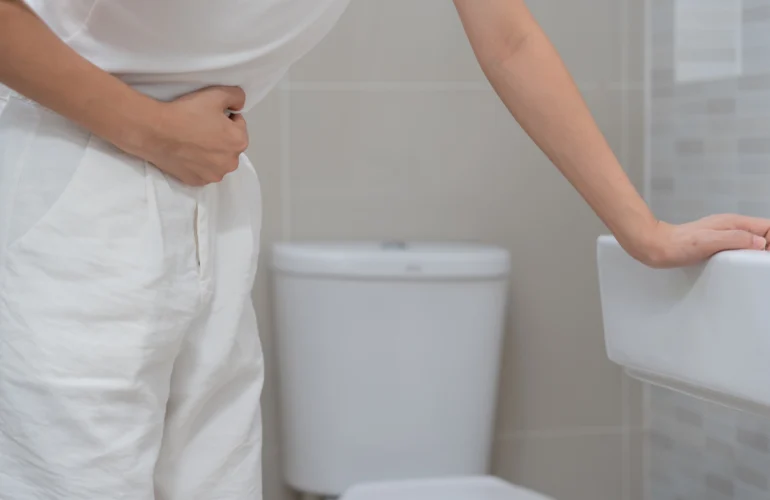
Gallstones causing pain often occur when a stone blocks the bile duct and prevents bile from flowing normally..
Common symptoms include:
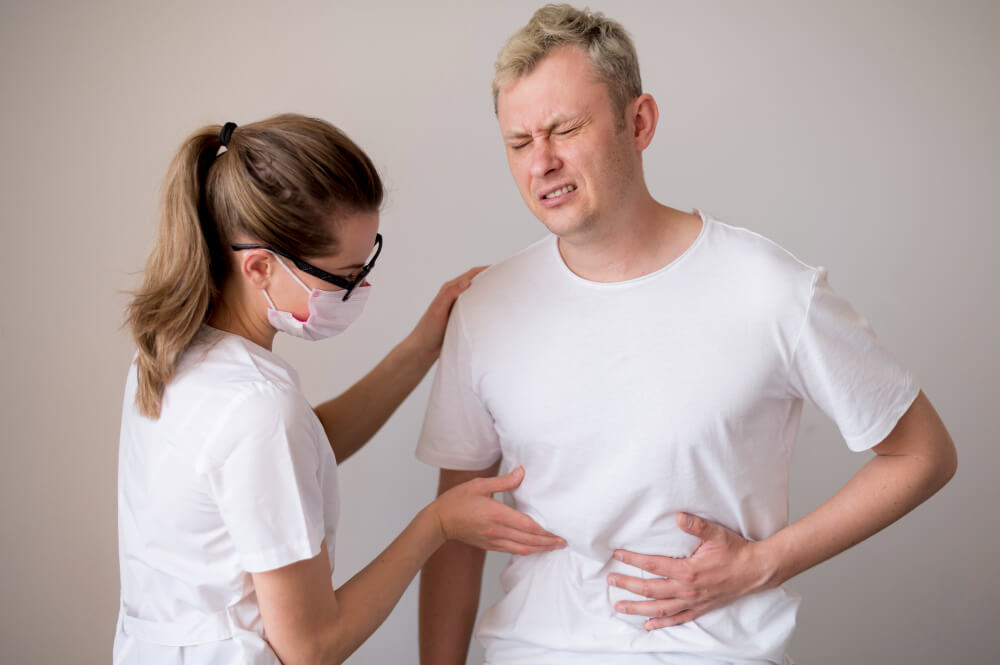
- Sudden pain in the upper right side of the abdomen
- Pain that spreads to the back or right shoulder
- Nausea and vomiting
- Bloating and indigestion after eating fatty foods
- Fever or chills in severe cases
- Yellowing of the skin or eyes (jaundice)
These symptoms can last from several minutes to a few hours and may occur after eating heavy or oily meals.
Why Do Gallstones Cause Pain?
Gallstones cause pain when they block the flow of bile from the gallbladder. When bile cannot flow normally, pressure builds up inside the gallbladder, causing pain and inflammation.
If the blockage continues, the gallbladder may become inflamed. This condition is known as cholecystitis, which may require urgent medical treatment.
Repeated gallbladder attacks can significantly affect a person’s quality of life and increase the risk of complications.
When Is Laparoscopic Surgery Needed?
Not all gallstones require surgery. If the stones are not causing symptoms, doctors may simply monitor the condition. However, laparoscopic gallbladder surgery is often recommended in the following situations:
Repeated Gallbladder Attacks
If a person experiences frequent episodes of severe abdominal pain caused by gallstones, surgery may be recommended to prevent further attacks.
Gallbladder Inflammation
Gallstones that block bile flow can cause infection and inflammation of the gallbladder.
Bile Duct Blockage
Sometimes gallstones move into the bile duct and block the flow of bile, leading to jaundice and other complications.
Gallstone-Related Pancreatitis
In rare cases, gallstones can block the pancreatic duct and lead to inflammation of the pancreas.
In these situations, removing the gallbladder is considered the most effective long-term treatment.
What Is Laparoscopic Gallbladder Surgery?
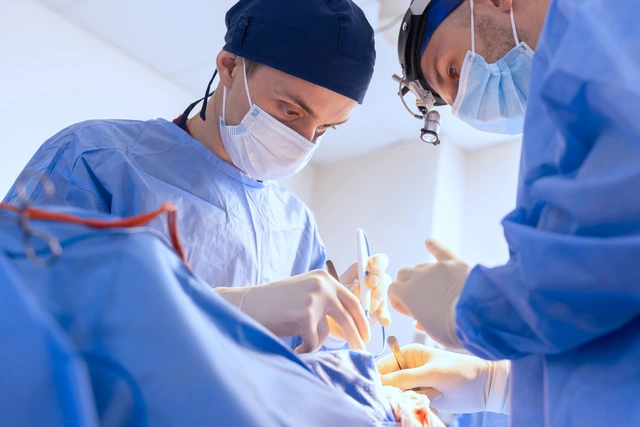
Laparoscopic gallbladder surgery, also known as laparoscopic cholecystectomy, is a minimally invasive procedure used to remove the gallbladder.
During the procedure:
- Small incisions are made in the abdomen
- A small camera called a laparoscope is inserted
- Surgical instruments are used to remove the gallbladder
Because the procedure is minimally invasive, patients typically experience:
- Less pain
- Smaller scars
- Faster recovery
- Shorter hospital stay
Most patients are able to return to normal activities within a few days.
Recovery After Laparoscopic Gallbladder Surgery
Recovery from laparoscopic surgery is usually quick and smooth.
Most patients can:
- Walk within a few hours after surgery
- Go home the same day or the next day
- Resume light activities within a week
Doctors may recommend avoiding very fatty foods initially while the body adjusts to digesting food without the gallbladder.
Early symptoms of gallstones may include upper abdominal pain, bloating, nausea, and discomfort after eating fatty foods. Some people may also experience pain that spreads to the back or shoulder
No. Gallstones that do not cause symptoms may not require treatment. However, surgery is recommended if gallstones cause pain or complications.
Yes, laparoscopic surgery is a commonly performed and safe procedure. It involves smaller incisions and allows faster recovery compared to traditional surgery.
Most patients recover within one to two weeks and can resume normal activities soon after surgery.
Yes. The liver continues to produce bile even after the gallbladder is removed, allowing the body to digest food normally.
Untreated gallstones may lead to complications such as gallbladder inflammation, bile duct blockage, jaundice, or pancreatitis.
Gallstones can range from a silent condition to a painful problem that interferes with daily life. While some gallstones may not require treatment, recurring pain and complications often require medical intervention.
Laparoscopic gallbladder surgery provides a safe and effective solution for patients suffering from symptomatic gallstones. Early diagnosis and timely treatment can help prevent serious complications and improve overall digestive health. If you experience persistent abdominal pain or symptoms of gallbladder attacks, consulting a healthcare professional is the best step toward proper care and recovery.
Name: Kolekar Hospital
Phone (OPD): +91 75069 45763
Phone (IPD): +91 81049 61896
Email: kolekaraditya@gmail.com
Address:
Omprakash Arcade, 2nd, 3rd & 4th Floor,
Ambedkar Garden, Chembur,
Mumbai – 400071, Maharashtra, India
Yes. The liver continues to produce bile even after the gallbladder is removed, allowing the body to digest food normally.