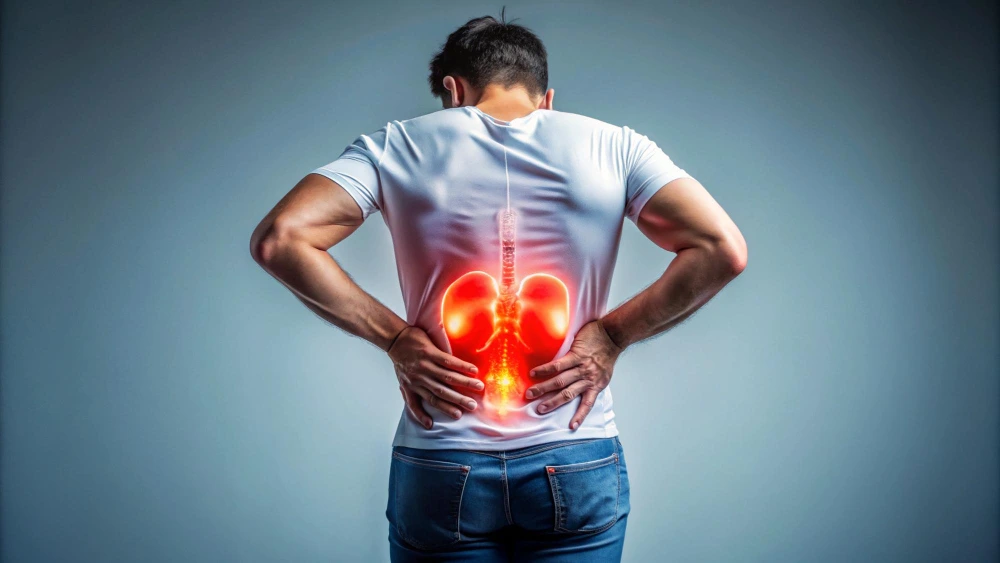

Persistent Acidity, Bloating or Stomach Pain? When to See a Gastroenterologist
Almost everyone experiences acidity, bloating, or stomach pain occasionally. It may happen after eating spicy food, overeating, or skipping meals. While these symptoms often improve on their own, persistent acidity or recurring digestive discomfort should never be ignored.
Many people continue taking antacids for weeks or months without understanding the real cause. However, recurring acidity, bloating, or stomach pain may indicate an underlying digestive disorder such as acid reflux (GERD), gastritis, stomach ulcers, gallstones, or irritable bowel syndrome (IBS).
Early diagnosis by a gastroenterologist can help identify the root cause, relieve symptoms, and prevent future complications.
Why Do Persistent Acidity, Bloating and Stomach Pain Happen?
Your digestive system works continuously to break down food and absorb nutrients. The stomach naturally produces acid to digest food, while the liver, gallbladder, pancreas, and intestines work together to support healthy digestion.
When this balance is disturbed, symptoms such as acidity, bloating, excessive gas, or stomach pain can occur. Sometimes these symptoms are temporary and related to food choices. However, if they occur frequently or become more severe, they may indicate an underlying digestive condition that requires medical attention.
Ignoring persistent digestive discomfort can allow the condition to worsen over time.
Common Causes of Persistent Acidity and Stomach Pain
Persistent digestive symptoms can develop due to several medical conditions. Identifying the exact cause is essential because treatment varies depending on the underlying problem.
Gastroesophageal Reflux Disease (GERD)
GERD occurs when stomach acid repeatedly flows back into the food pipe. This commonly causes heartburn, chest discomfort, sour taste in the mouth, and persistent acidity.
Gastritis
Gastritis is inflammation of the stomach lining. It may develop due to bacterial infections, long term painkiller use, excessive alcohol consumption, or stress. Common symptoms include burning stomach pain, nausea, and bloating.
Peptic Ulcers
Peptic ulcers are sores that develop in the stomach or upper small intestine. They often cause burning stomach pain, especially when the stomach is empty, along with acidity and indigestion.
Gallstones
If your stomach pain becomes worse after eating oily or fatty foods, gallstones could be the reason. Gallstones can block the normal flow of bile, causing severe pain in the upper abdomen.
Irritable Bowel Syndrome (IBS)
IBS is a common digestive disorder that causes abdominal pain, bloating, constipation, diarrhoea, or alternating bowel habits without any structural damage to the intestines.
Food Intolerance and Constipation
Some people develop digestive discomfort after consuming dairy products, gluten, or certain processed foods. Chronic constipation can also lead to bloating, gas, and stomach pain.
Liver and Pancreatic Disorders
Diseases affecting the liver or pancreas may also present with upper abdominal pain, nausea, digestive discomfort, and unexplained weight loss.
Common Symptoms You Should Never Ignore
Digestive disorders often begin with mild symptoms that gradually become more frequent. Recognising these warning signs early can help prevent complications.
- Persistent acidity or heartburn
- Bloating after meals
- Recurring stomach pain
- Burning sensation in the chest
- Excessive gas
- Nausea or vomiting
- Difficulty swallowing
- Loss of appetite
- Blood in stools
- Black or tarry stools
- Unexplained weight loss
If these symptoms continue for more than two weeks or keep returning, consult a gastroenterologist.
When Should You See a Gastroenterologist?
Many people ignore digestive symptoms or depend on over-the-counter medications for temporary relief. However, persistent symptoms should always be evaluated by a specialist.
- Consult a gastroenterologist if you experience:
- Acidity several times every week
- Bloating after almost every meal
- Recurring stomach pain
- Difficulty swallowing
- Frequent vomiting
- Blood in stools
- Sudden weight loss
- Severe abdominal pain
- Symptoms affecting your daily activities
Seeking medical advice early can help diagnose the problem before complications develop.
How Is the Cause Diagnosed?
A gastroenterologist will begin by reviewing your symptoms, medical history, eating habits, and lifestyle. Based on the findings, diagnostic tests may be recommended to identify the exact cause.
These investigations may include:
- Blood Tests
- Stool Examination
- Abdominal Ultrasound
- Upper GI Endoscopy
- Colonoscopy
- CT Scan or MRI (if required)
Accurate diagnosis helps doctors recommend the most appropriate treatment plan for your condition.
How Can Persistent Acidity and Stomach Pain Be Treated?
Treatment depends on the underlying cause rather than simply controlling symptoms.
Lifestyle Changes
Healthy habits can significantly improve digestive health and reduce recurring acidity.
- Eat smaller meals at regular intervals
- Avoid oily, spicy, and processed foods
- Limit tea, coffee, and carbonated drinks
- Drink enough water throughout the day
- Exercise regularly
- Maintain a healthy weight
- Avoid lying down immediately after meals
Medications
Depending on the diagnosis, your doctor may prescribe medications to reduce stomach acid, treat bacterial infections, heal ulcers, or manage digestive disorders such as IBS.
Always take medications only under medical supervision.
Advanced Treatment
Certain digestive disorders may require specialised procedures or surgery, including:
- Upper GI Endoscopy
- Colonoscopy
- Gallbladder Surgery
- Treatment for liver or pancreatic diseases
Timely treatment often prevents complications and improves long-term digestive health.
Can Persistent Acidity and Digestive Problems Be Prevented?
Although not every digestive disorder can be prevented, healthy lifestyle habits can significantly reduce the risk.
- Eat balanced meals on time
- Include fibre-rich foods in your diet
- Stay well hydrated
- Reduce fried and processed foods
- Exercise regularly
- Manage stress effectively
- Avoid smoking and excessive alcohol
- Get adequate sleep every night
Small lifestyle changes can go a long way in keeping your digestive system healthy.
Frequently Asked Questions About Persistent Acidity
No. Persistent acidity can also be caused by GERD, gastritis, stomach ulcers, gallstones, or other digestive disorders.
If stomach pain lasts for several days, becomes severe, or keeps returning frequently, it should be evaluated by a gastroenterologist.
Yes. Persistent bloating accompanied by pain, weight loss, or changes in bowel habits may indicate an underlying digestive condition.
Doctors may recommend an endoscopy if you have persistent acidity, stomach pain, difficulty swallowing, vomiting, or suspected ulcers.
Lifestyle changes help control symptoms for many people. However, persistent acidity requires proper diagnosis and treatment to address the underlying cause.
Conclusion
Occasional acidity or bloating is common, but persistent acidity, recurring bloating, or stomach pain should never be ignored. These symptoms may be early warning signs of digestive disorders that require timely diagnosis and treatment.
Consulting a gastroenterologist at the right time can help identify the root cause, provide lasting relief, and prevent future complications.
If erectile dysfunction symptoms continue, consulting a specialist early can help identify the cause and guide the right treatment.
Get Expert Gastrointestinal Care at Kolekar Hospital
If you’re experiencing persistent acidity, bloating, or stomach pain, don’t ignore the symptoms. The experienced gastroenterologists at Kolekar Hospital, Chembur provide comprehensive evaluation, advanced diagnostic services, and personalised treatment for a wide range of digestive disorders.
Book your consultation today and take the first step towards better digestive health.