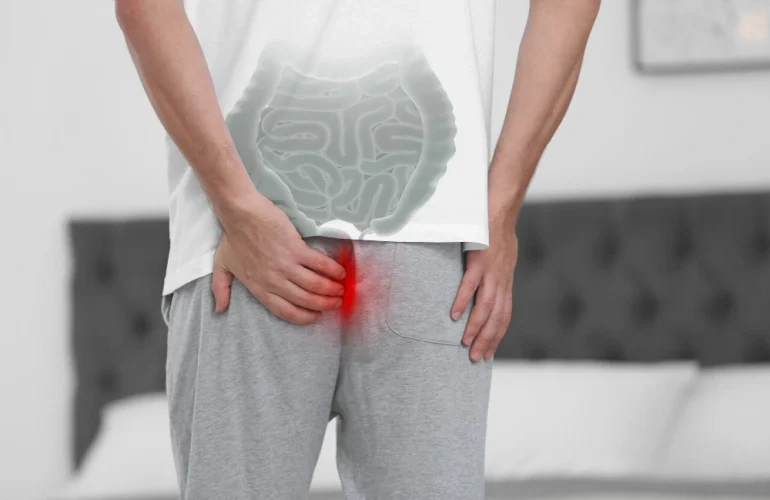
Weak Urine Flow or Difficulty Urinating? Your Prostate Could Be the Cause
Introduction
Experiencing weak urine flow or difficulty urinating can be frustrating and uncomfortable, especially when it starts affecting your daily routine or sleep. Many men ignore these symptoms, assuming they are a normal part of ageing. However, in many cases, prostate enlargement may be the underlying cause.
The prostate is a small gland located below the bladder in men. As men age, this gland can enlarge and press against the urethra, leading to urinary problems. Understanding the symptoms early and seeking timely medical advice can help prevent complications and improve quality of life.
What Is an Enlarged Prostate?
An enlarged prostate, medically known as Benign Prostatic Hyperplasia (BPH), is a common condition seen in men over the age of 50. It is non-cancerous but can gradually affect the normal flow of urine.
As the prostate enlarges, it puts pressure on the urinary passage, making it harder for urine to pass smoothly. While BPH is common with ageing, it should not be ignored when symptoms begin to interfere with daily activities.
Common Symptoms of Prostate Enlargement
Men with prostate-related urinary problems may experience:
- Weak or slow urine flow
- Difficulty starting urination
- Frequent urge to urinate
- Waking up multiple times at night to urinate
- Feeling that the bladder is not fully empty
- Dribbling of urine after urination
- Sudden urge to urinate urgently
These symptoms often develop gradually and may worsen over time if left untreated.
Why Does the Prostate Enlarge?
Although aging is the most common factor, several other reasons may contribute to prostate enlargement:
| Risk Factor | How It Affects the Prostate |
| Aging | Hormonal changes may enlarge the prostate |
| Family history | Increased genetic risk |
| Obesity | Can worsen urinary symptoms |
| Lack of physical activity | Affects overall urinary health |
| Diabetes & BP | May increase prostate-related complications |
While these factors do not always cause prostate problems directly, they can increase the chances of developing urinary symptoms.
When Should You See a Doctor?
Many men delay seeking help because they feel embarrassed or think the symptoms are temporary. However, you should consult a doctor if you experience:
- Difficulty passing urine regularly
- Pain or burning during urination
- Blood in urine
- Frequent nighttime urination
- Sudden inability to urinate
Early diagnosis can help identify the exact cause and prevent complications such as urinary infections or bladder damage.
Diagnosis and Evaluation
Doctors may recommend a few simple tests to understand the cause of urinary problems:
- Physical examination
- Urine test
- Ultrasound scan
- PSA (Prostate-Specific Antigen) blood test
- Urine flow study
These evaluations help determine whether the symptoms are related to an enlarged prostate or another urological condition.
Treatment Options for Enlarged Prostate
Treatment depends on the severity of symptoms and overall health condition.
Lifestyle Changes
Mild symptoms may improve with simple lifestyle modifications such as:
- Reducing caffeine and alcohol intake
- Avoiding excess fluids before bedtime
- Maintaining a healthy weight
- Regular exercise
Medications
Doctors may prescribe medicines to relax prostate muscles or reduce prostate size.
Minimally Invasive Procedures or Surgery
In severe cases, medical procedures may be recommended to improve urine flow and reduce pressure on the urinary tract.
Tips to Maintain Prostate Health
Healthy habits can support long-term urinary and prostate health:
| Healthy Habit | Benefit |
| Drink enough water | Supports bladder function |
| Exercise regularly | Improves circulation and weight control |
| Eat a balanced diet | Supports hormonal and overall health |
| Avoid smoking | Improves blood flow |
| Routine health checkups | Helps detect problems early |
Taking proactive care of your health can help reduce the risk of worsening urinary symptoms.
Conclusion
Weak urine flow or difficulty urinating may seem like a minor issue at first, but it can sometimes indicate an underlying prostate condition. Paying attention to early symptoms and seeking timely medical guidance can help prevent discomfort and long-term complications.
Understanding your symptoms and taking proactive steps toward better urinary health can make a significant difference in your daily quality of life.
Frequently Asked Questions About Appendix Removal Surgery Recovery
Not always. Weak urine flow can also occur due to urinary infections, bladder issues, or kidney-related conditions. Proper evaluation is important.
Prostate enlargement is more commonly seen in men above the age of 50.
Yes. Many mild to moderate cases can be managed with lifestyle changes and medications.
Yes, waking up multiple times at night to urinate can be a common symptom of prostate enlargement.
Don’t Ignore the Pain – Get Checked Today
If urinary symptoms persist, consulting a urology specialist early can help you get the right diagnosis and care.
👉 Book your appointment today or call now for immediate assistance.