Heart

Blood in Urine? CT Scan for Kidney Stones Explained

Kidney Stone Blood in Urine Causes, CT Scan & Treatment
| in Chembur

Kidney stone blood in urine is often one of the earliest warning signs of a urinary problem. Seeing red or pink urine can be alarming, especially when it appears suddenly or with pain. In many cases, kidney stones are responsible, but infections and other conditions may also be involved.

Understanding the cause and getting the right diagnosis, such as a CT scan, can help prevent complications and ensure proper treatment.

What Does Blood in Urine Mean?

Blood in urine, also known as hematuria, occurs when red blood cells mix with urine due to irritation, infection, or injury in the urinary tract. It can be visible or detected only through lab tests.

A common question people ask is: Can kidney stones cause blood in urine?
Yes, they can. When a stone moves, it may scratch the lining of the urinary tract, leading to bleeding. However, other causes are also possible, which is why proper diagnosis is important.

Causes of Blood in Urine

There are several reasons why blood may appear in urine. While kidney stones are one of the most common causes, other conditions should also be considered.

Common Causes Include

  • Kidney stones – cause pain and internal injury
  • Urinary tract infections (UTIs) – often linked with white blood cells in urine
  • Kidney infections – may include fever and fatigue
  • Bladder inflammation or irritation
  • Strenuous activity or minor injury

Identifying the exact cause is essential for choosing the right treatment.

Symptoms of Kidney Stones

Kidney stones can cause intense discomfort and noticeable symptoms. The pain is often sharp and may come in waves, especially as the stone moves.

Key Symptoms

  • Severe pain in the lower back or side
  • Burning sensation while urinating
  • Blood in urine (pink, red, or brown)
  • Frequent urge to urinate
  • Nausea or vomiting

If these symptoms occur together, kidney stones are a likely cause.

White Blood Cells in Urine – What Does It Indicate?

The presence of white blood cells in urine usually suggests infection or inflammation in the urinary tract. This is commonly seen in urinary tract infections, but can also occur due to irritation caused by kidney stones.

What It May Indicate

  • Urinary tract infection (UTI)
  • Inflammation due to kidney stones
  • Kidney infection (in severe cases)

Doctors often recommend urine tests along with imaging scans for an accurate diagnosis.

How CT Scan Helps Diagnose Kidney Stones

A CT scan is one of the most reliable methods to detect kidney stones. It provides detailed images of the urinary tract, allowing doctors to accurately identify the problem.

Benefits of CT Scan

  • Detects even very small stones
  • Shows exact size and location
  • Helps rule out other causes of bleeding
  • Fast and highly accurate

Because of its precision, CT scans are widely used when symptoms are severe or unclear.

How to Recover from Kidney Stones

Recovery depends on the size and severity of the stone. Smaller stones may pass naturally, while larger ones require medical treatment.

Treatment & Recovery Options

  • Hydration: Drinking plenty of water helps flush out stones
  • Medications: Reduce pain and help stone passage
  • Medical procedures: Laser treatment or shock wave therapy
  • Lifestyle changes: Low salt diet and proper hydration

Following these steps can also help prevent recurrence.

Blood in Urine After Sex – Is It Related to Kidney Stones?

Experiencing blood in urine after sex can be concerning, but it is not always serious. It may occur due to temporary irritation, but it can also indicate an underlying issue.

If you’re wondering, can kidney stones cause blood in urine after sex?  Yes, they can. Physical activity may trigger movement of a stone, leading to bleeding.

Possible Causes

  • Friction or minor injury
  • Urinary tract infections
  • Presence of white blood cells in urine
  • Kidney stones

When to Be Concerned

  • Repeated episodes
  • Pain or burning sensation
  • Fever or discomfort

Medical evaluation is important if symptoms persist.

When Should You Visit a Doctor?

While some mild cases may resolve, certain symptoms should never be ignored. Early diagnosis can prevent complications and ensure faster recovery.

Seek Medical Help If You Have

  • Persistent or severe pain
  • Visible blood in urine
  • Fever or chills
  • Difficulty urinating
  • Nausea or vomiting with pain

FAQs

Yes, kidney stones can damage the urinary tract lining and cause bleeding.

Not always, but it should always be evaluated by a doctor.

They usually indicate infection or inflammation.

Yes, it is safe and highly accurate when recommended.

Conclusion

Kidney stone blood in urine is a symptom that should not be ignored. While kidney stones are a common cause, proper diagnosis through CT scans helps confirm the issue and guide treatment effectively.

Don’t ignore blood in urine, book a consultation today for accurate diagnosis and timely treatment.

If you are experiencing blood in urine or symptoms of kidney stones, consult a specialist today for an accurate diagnosis and timely treatment.

Loading

Cardiology Heart

What Causes Blocked Blood Vessels? Diet and Lifestyle Guide

Blocked blood vessels are a common yet often unnoticed health concern that can increase the risk of serious conditions like heart disease and stroke. Many people ignore early signs of blocked blood vessels or are unaware of the lifestyle habits that slowly damage their arteries over time.

Understanding what causes blocked blood vessels and how your daily diet and routine affect them can help you take better control of your heart health. In this blog, we’ll explain the causes, early warning signs, and simple diet and lifestyle changes that can help keep your blood vessels healthy.

What Are Blocked Blood Vessels?

Blocked blood vessels occur when fatty deposits, cholesterol, and other substances build up inside the arteries. This buildup, known as plaque, narrows the blood vessels and restricts smooth blood flow.

Over time, this can reduce oxygen supply to vital organ to vital organs. You can think of it like a water pipe that gets clogged when the flow is restricted the system cannot function properly.

Common Causes of Blocked Blood Vessels

Several everyday habits and health conditions contribute to blocked blood vessels:

1. Unhealthy diet – Frequent intake of fried, oily, and processed foods increases bad cholesterol
2. High cholesterol levels – Lead to plaque buildup in arteries
3. Smoking – Damages blood vessel walls and reduces oxygen supply
4. Lack of physical activity – Slows down metabolism and circulation
5. High blood pressure – Puts extra strain on artery walls
6. Diabetes – Increases the risk of blood vessel damage

These factors often work together, gradually increasing the risk of blocked blood vessels and heart-related problems.

Early Signs of Blocked Blood Vessels You Should Not Ignore

Blocked blood vessels may not show symptoms early, but as the condition progresses, you may notice:

Chest discomfort or pain
Shortness of breath
Fatigue even after mild activity
Pain in the legs while walking
Dizziness or weakness

Early signs of reduced blood flow can help you seek timely care and prevent complications.

Foods Heart Patients Should Avoid in Summer

• Deep fried foods
• High salt snacks
• Processed and packaged foods
• Sugary beverages
• Excess caffeine
• Red meat
• Packaged fruit juices

These foods may increase cholesterol, blood pressure, and dehydration risk, which can negatively affect heart health.

Diet That Helps Prevent Blocked Blood Vessels

A healthy diet plays a major role in preventing blocked blood vessels and improving circulation.

Category Foods to Include Benefits
Fruits Apples, berries, oranges Rich in antioxidants, reduce inflammation
Vegetables Spinach, broccoli, carrots Support heart health and improve blood flow
Whole Grains Oats, brown rice Help lower cholesterol levels
Healthy Fats Nuts, seeds, olive oil Improve good cholesterol (HDL)
Protein Lentils, fish Support overall body function

Including these foods regularly can help reduce the risk of plaque buildup and support healthy blood vessels.

Foods to Avoid for Healthy Blood Vessels

Certain foods can increase the chances of blocked blood vessels if consumed frequently:

Food Why to Avoid
Fried and oily foods Increase bad cholesterol
Processed foods Contain unhealthy fats and additives
Sugary drinks Lead to weight gain and metabolic issues
Excess salt Raises blood pressure
Red meat (excess) Can contribute to cholesterol buildup

Reducing these foods is important to prevent worsening of blocked blood vessels.

Lifestyle Tips to Prevent Blocked Blood Vessels

Along with diet, daily habits play an important role in maintaining healthy blood vessels:

Exercise regularly – At least 30 minutes of physical activity
Quit smoking – Improves circulation and oxygen supply
Manage stress – Practice relaxation techniques
Maintain a healthy weight – Reduces strain on the heart
Regular health checkups – Monitor BP, sugar, and cholesterol

These simple habits can help lower the risk of blocked blood vessels and improve overall heart health.

FAQ

In the early stages, lifestyle and diet changes can help improve blood flow and prevent further damage. Medical treatment may be required in advanced cases.

Fruits, vegetables, whole grains, and healthy fats like nuts and olive oil are beneficial for heart health.

Yes, regular walking improves circulation and supports overall cardiovascular health.

Conclusion

Blocked blood vessels can develop silently over time, often without clear symptoms in the early stages. Making simple changes like improving your diet, staying active, and managing conditions like blood pressure or diabetes can go a long way in protecting your heart and overall health.

If you notice warning signs or have risk factors, it’s important to seek timely medical advice. A proper evaluation can help prevent complications and keep your blood vessels healthy in the long run.

If you are experiencing symptoms or have risk factors for blocked blood vessels, consulting a qualified doctor can help you understand your condition better. Early evaluation and the right guidance can make a significant difference in preventing serious complications.

Name: Kolekar Hospital

Phone (OPD): +91 75069 45763

Phone (IPD): +91 81049 61896 

Email: kolekaraditya@gmail.com

Address:
Omprakash Arcade, 2nd, 3rd & 4th Floor,
Ambedkar Garden, Chembur,
Mumbai – 400071, Maharashtra, India

Loading

Heart

Summer Heart Healthy Diet Chart: Cooling Foods to Eat and Avoid for Heart Patients

Summer heat can increase stress on the heart, especially for people with cardiovascular conditions. Following a proper summer diet for heart patients helps maintain hydration, regulate blood pressure, and support overall heart health. During hot weather, the body loses more fluids through sweat, which can lead to dehydration and fatigue. Choosing cooling, light, and nutrient-rich foods can help heart patients stay energized and maintain stable heart function throughout the summer.

Symptoms

During summer, dehydration and unhealthy food habits may worsen heart related discomfort. Heart patients should pay attention to early warning signs.

Common symptoms include:

• Fatigue or unusual weakness
• Shortness of breath
• Rapid or irregular heartbeat
• Dizziness or lightheadedness
• Excessive sweating
• Chest discomfort
• Swelling in the legs or feet

If these symptoms appear frequently, medical evaluation is recommended.

Importance of a Summer Diet for Heart Patients

Maintaining the right diet during summer is important for protecting cardiovascular health. A balanced summer diet for heart patients helps the body stay hydrated, reduces strain on the heart, and supports healthy blood circulation. Cooling foods rich in water, fiber, and essential nutrients can help regulate body temperature while maintaining cholesterol and blood pressure levels.

Cooling Foods for Heart Patients

Watermelon – Hydrates the body and supports circulation
Cucumber – Helps maintain hydration and digestion
Coconut Water – Provides natural electrolytes
Buttermilk – Light and refreshing summer drink
Bottle Gourd (Lauki) – Helps regulate blood pressure
Pomegranate – Rich in antioxidants for heart health
Leafy Greens – Provide vitamins that support heart function
Oats and Whole Grains – Help control cholesterol levels

These foods are light, cooling, and beneficial for maintaining heart health during hot weather.

Foods Heart Patients Should Avoid in Summer

• Deep fried foods
• High salt snacks
• Processed and packaged foods
• Sugary beverages
• Excess caffeine
• Red meat
• Packaged fruit juices

These foods may increase cholesterol, blood pressure, and dehydration risk, which can negatively affect heart health.

Why Choose Us

At Kolekar Hospital & ICCU, patients receive comprehensive medical care from experienced doctors and modern facilities.

Key highlights include:

• 50-bedded multispecialty hospital with advanced facilities
• Fully equipped ICCU and modern operating theatres
• Experienced team of 40+ doctors
• 24×7 pathology, pharmacy, and ambulance services
• Advanced diagnostic services, including CT scan and imaging

The hospital focuses on delivering quality healthcare with a patient centred approach.

FAQ

A balanced diet including fruits, vegetables, whole grains, and hydrating drinks like coconut water and buttermilk is beneficial.

Watermelon, pomegranate, berries, and muskmelon are excellent options.

Yes, coconut water can help maintain hydration and electrolyte balance when consumed in moderation.

Fried foods, processed snacks, sugary drinks, and high-salt foods should be limited.

Maintain hydration, eat light meals, avoid extreme heat, and follow medical advice for heart health.

Conclusion

Heart health requires extra care during the summer months. By following a balanced summer diet for heart patients and choosing cooling, nutritious foods, individuals can reduce strain on the heart and maintain better cardiovascular health. Staying hydrated, eating light meals, and avoiding unhealthy foods can help prevent complications and support overall well being.

If you or your loved ones are experiencing heart-related symptoms or need guidance on maintaining heart health during summer, consult the specialists at Kolekar Hospital & ICCU for expert advice and personalized treatment.

Name: Kolekar Hospital

Phone (OPD): +91 75069 45763

Phone (IPD): +91 81049 61896 

Email: kolekaraditya@gmail.com

Address:
Omprakash Arcade, 2nd, 3rd & 4th Floor,
Ambedkar Garden, Chembur,
Mumbai – 400071, Maharashtra, India

Loading

Kidney

Swelling in Legs or Face? It Could Be a Kidney Problem

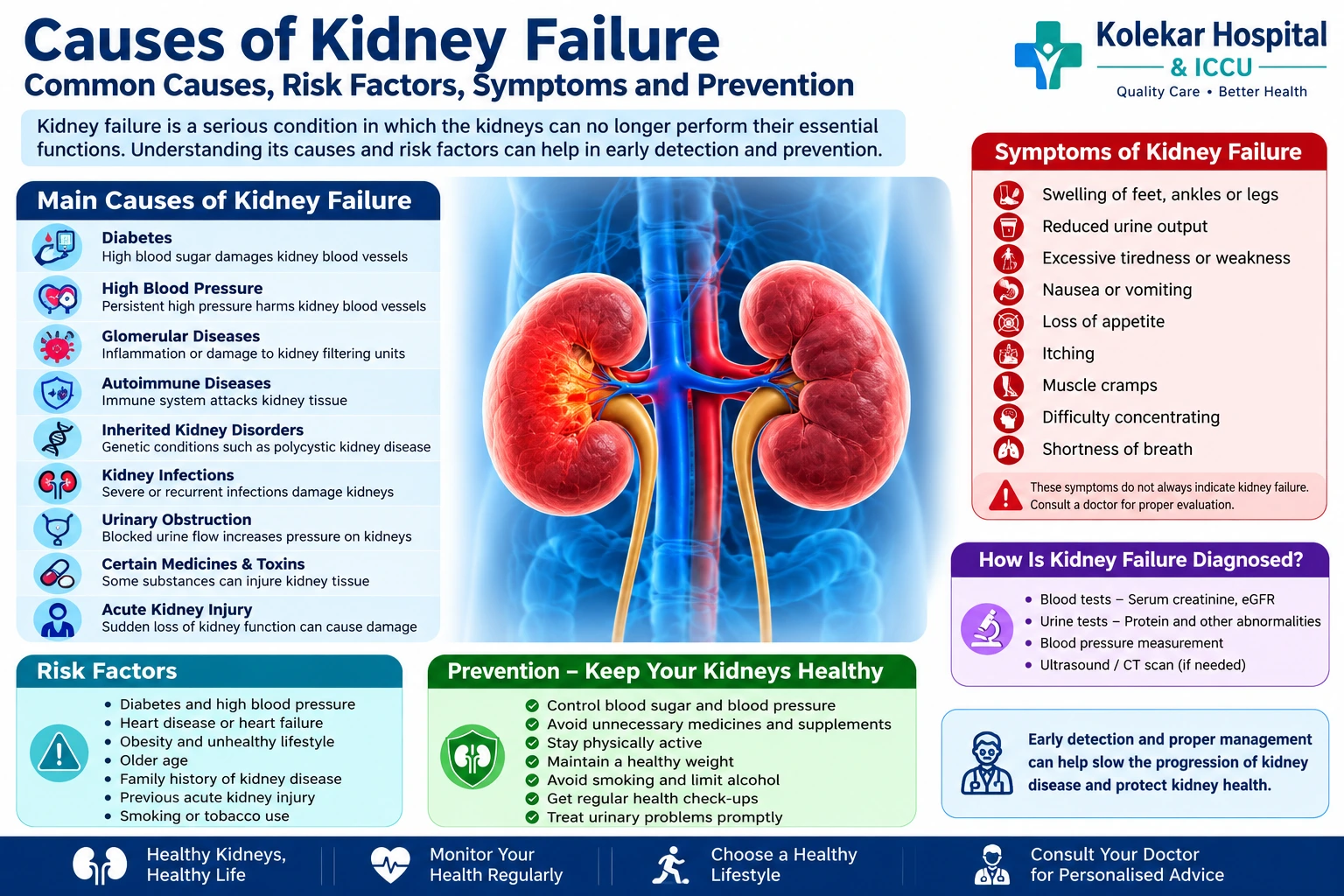
Swelling Kidney Problem: Signs in Legs or Face can sometimes be an early warning sign of kidney disease. When the kidneys are not functioning properly, the body may retain excess fluid, leading to swelling in areas like the legs, feet, ankles, or even the face.

However, swelling in the legs or face can sometimes indicate a kidney problem, especially when it happens frequently or does not go away. The kidneys play a vital role in maintaining the body’s fluid balance. When they are not functioning properly, excess fluid and waste may build up in the body, leading to visible swelling.

If you notice persistent swelling along with symptoms like fatigue, reduced urine output, or high blood pressure, it may be a sign of an underlying kidney problem that requires medical evaluation.

Why Do Kidney Problems Cause Swelling?

Your kidneys are responsible for filtering waste and removing excess fluid from the bloodstream. When kidney function declines, the body struggles to eliminate fluid effectively.

This extra fluid can accumulate in different parts of the body, leading to a condition known as edema.

Common areas where swelling may appear include:

  • Feet and ankles
  • Lower legs
  • Hands
  • Face, especially around the eyes
  • Abdomen in severe cases

The swelling often becomes more noticeable by the evening or after standing for long periods.

Common Kidney Conditions That Cause Swelling

Several kidney disorders can lead to fluid retention and swelling.

  1. Chronic Kidney Disease (CKD)

Chronic kidney disease develops gradually over time and reduces the kidneys’ ability to filter waste and fluids. As kidney function worsens, fluid may accumulate in the body, causing swelling in the legs and face.

Other symptoms may include fatigue, high blood pressure, and changes in urination.

  1. Nephrotic Syndrome

Nephrotic syndrome occurs when the kidney filters become damaged and allow protein to leak into the urine. Protein helps keep fluid inside blood vessels, so when levels drop, fluid moves into surrounding tissues.

This often causes:

  • Puffy face, especially in the morning
  • Swelling in feet and ankles
  • Foamy urine
  1. Acute Kidney Injury

Acute kidney injury is a sudden decline in kidney function that can occur due to severe infections, dehydration, medications, or reduced blood flow to the kidneys.

In such cases, the body may quickly retain fluids, causing noticeable swelling.

  1. Kidney Infections or Inflammation

Kidney infections and inflammatory conditions such as glomerulonephritis can affect the kidneys’ filtering ability, leading to fluid retention and swelling.

These conditions may also cause symptoms such as fever, pain in the lower back, or changes in urine colour.

Warning Signs That Swelling May Be Kidney Related

Not all swelling is caused by kidney problems, but certain symptoms may indicate the need for medical evaluation.

You should consult a doctor if swelling is accompanied by:

  • Reduced urine output
  • Foamy or bloody urine
  • Persistent fatigue
  • Shortness of breath
  • High blood pressure
  • Puffiness around the eyes
  • Sudden weight gain from fluid retention

Early detection can help prevent further kidney damage.

How Kidney Problems Are Diagnosed

If kidney related swelling is suspected, doctors may recommend several tests to evaluate kidney function.

These may include:

  • Blood tests to measure creatinine and kidney function levels
  • Urine tests to check for protein or infection
  • Ultrasound imaging to examine kidney structure
  • Blood pressure evaluation

These tests help determine the underlying cause and guide appropriate treatment.

Treatment Options for Kidney Related Swelling

Treatment depends on the underlying kidney condition and its severity.

Common management approaches include:

  • Medications to control blood pressure
  • Diuretics to remove excess fluid
  • Dietary changes, especially reduced salt intake
  • Treatment for infections or inflammation
  • Managing diabetes if present

In advanced kidney disease, dialysis or specialized treatment may be necessary.

When Should You See a Doctor at Kolekar hospital

Occasional swelling after long travel or standing may not be a major concern. However, persistent swelling, especially when combined with other symptoms, should never be ignored.

Early consultation with a specialist can help diagnose kidney issues before they progress to serious complications.

If swelling keeps returning or gradually worsens, it is important to seek medical advice and get your kidney function evaluated.

Yes. Kidney disorders can lead to fluid retention, which often causes puffiness around the eyes and swelling in the face, especially in the morning.

No. Swelling can occur due to many reasons, including heart problems, liver disease, prolonged standing, or excess salt intake. However, persistent swelling should be medically evaluated.

Doctors typically perform blood tests, urine analysis, and imaging tests such as ultrasound to assess kidney function and determine the cause of swelling.

Most patients recover within one to two weeks and can resume normal activities soon after surgery.

Yes. Treatment depends on the underlying kidney condition but may include medications, lifestyle changes, dietary adjustments, and managing associated health issues.

You should seek medical attention if swelling is persistent, painful, associated with breathing difficulty, reduced urine, or sudden weight gain.

Final Thoughts

Swelling in the legs, feet, or face should never be ignored, especially when it happens frequently or persists. In some cases, it may signal an underlying kidney problem. Early medical evaluation can help detect kidney issues in time and prevent complications, helping you protect your long term kidney health.

Take the First Step Today

If you notice persistent swelling in your legs or face, consider getting your kidney health evaluated. Early diagnosis can help prevent complications and ensure timely treatment.

Book your Consultation today

If you are experiencing swelling in your legs, feet, or face or have concerns about kidney health, consult a specialist for proper evaluation. Early diagnosis can make a significant difference in treatment outcomes and long term kidney care.

Name: Kolekar Hospital

Phone (OPD): +91 75069 45763

Phone (IPD): +91 81049 61896 

Email: kolekaraditya@gmail.com

Address:
Omprakash Arcade, 2nd, 3rd & 4th Floor,
Ambedkar Garden, Chembur,
Mumbai – 400071, Maharashtra, India

Loading

Cardiology

Heart Valve Repair vs Valve Replacement: What Is the Difference?

Heart Valve Repair vs Valve Replacement in Chembur

Heart valve repair vs valve replacement is a common concern for patients diagnosed with valve disease. When one of the heart valves does not open or close properly, blood flow becomes disrupted. As a result, the heart has to work harder, which may eventually lead to serious complications.

Many patients experience symptoms like breathlessness, fatigue, or chest discomfort before they even realise there is a valve issue. Therefore, understanding the difference between repair and replacement becomes extremely important. Although both procedures aim to restore proper blood circulation, the surgical approach and long-term outcomes can differ.

At Kolekar Hospital in Chembur, patients receive a comprehensive cardiac evaluation before deciding on the most suitable treatment. Let’s clearly understand how these two procedures differ.

What Is Heart Valve Disease?

Heart valves control blood flow inside the heart. Four valves open and close with each heartbeat. However, when a valve becomes narrowed (stenosis) or leaky (regurgitation), blood flow becomes inefficient.

This condition may happen due to:

  • Age-related degeneration
  • Rheumatic fever
  • Congenital heart defects
  • Infection (endocarditis)
  • Calcium buildup

As a result, the heart has to work harder, which may eventually weaken the heart muscle.

Heart Valve Repair vs Valve Replacement: Key Differences

Although both procedures treat valve dysfunction, they differ in approach and suitability.

Heart Valve Repair

Heart valve repair involves fixing the patient’s existing valve instead of replacing it.

Common repair methods include:

  • Reshaping valve tissue
  • Removing excess tissue
  • Tightening the valve ring
  • Repairing tears

Advantages:

  • Preserves natural valve
  • Lower risk of infection
  • No lifelong blood thinners (in most cases)
  • Better long-term heart function

However, repair may not be possible if the valve is severely damaged.

Valve Replacement

Valve replacement involves removing the damaged valve and replacing it with:

  • Mechanical valve
  • Biological (tissue) valve

Advantages:

  • Suitable for severely damaged valves
  • Durable long-term solution

However, mechanical valves require lifelong blood-thinning medication.

Therefore, the decision between heart valve repair vs valve replacement depends on individual medical evaluation.

Symptoms That May Indicate Valve Surgery

You should not ignore the following symptoms:

  • Shortness of breath
  • Chest pain
  • Fatigue
  • Swelling in the legs
  • Irregular heartbeat
  • Dizziness or fainting

If these symptoms worsen over time, medical attention becomes necessary.

Why You Should See a Doctor Early

Early consultation is important because:

  • It prevents heart failure
  • It reduces surgical risk
  • It improves recovery outcomes
  • It allows timely monitoring

Most importantly, delaying treatment may lead to permanent heart damage.

Heart Valve Surgery in Chembur

At Kolekar Hospital, experienced cardiologists evaluate each case carefully before recommending treatment. Advanced diagnostic tools such as echocardiography and cardiac imaging help determine whether heart valve repair vs valve replacement is the better option.

Moreover, minimally invasive surgical techniques are available, which reduce recovery time and hospital stay. Therefore, patients in Chembur can access safe and advanced heart valve surgery close to home.

Valve repair is preferred when possible because it preserves the natural valve. However, severe damage may require replacement.

Mechanical valves can last decades, while tissue valves may last 10–20 years.

All surgeries carry risk. However, with modern techniques, outcomes are generally safe and successful.

Recovery varies but typically ranges from 4 to 8 weeks, depending on the procedure.

Conclusion

Understanding heart valve repair vs valve replacement helps patients make informed decisions about their heart health. Although both procedures are effective, the right choice depends on the individual’s medical condition and the severity of damage.

Therefore, if you are experiencing symptoms of heart valve disease, do not delay medical evaluation. Early treatment improves long term outcomes and protects heart function.

For expert heart valve surgery in Chembur, consult the cardiology team at Kolekar Hospital today.

Name: Kolekar Hospital

Phone (OPD): +91 75069 45763

Phone (IPD): +91 81049 61896 

Email: kolekaraditya@gmail.com

Address:
Omprakash Arcade, 2nd, 3rd & 4th Floor,
Ambedkar Garden, Chembur,
Mumbai – 400071, Maharashtra, India

Loading

Gallbladder Gastroenterology Laparascopy

7 Warning Signs of Gallstones You Should Never Ignore

What Are Gallstones?

Gallstones are hardened deposits of digestive fluid that form inside the gallbladder. The gallbladder stores bile, which helps digest fats. In many cases, gallstones do not cause symptoms at first. However, when they block the bile duct, they can trigger severe pain and inflammation.

Therefore, understanding the warning signs of gallstones is important for early diagnosis and timely treatment.

Common Warning Signs of Gallstones

Below are the most common warning signs of gallstones that should never be ignored.

Severe Upper Right Abdominal Pain

The most common symptom is sudden pain in the upper right abdomen. Typically, this pain begins after eating oily or heavy food. It may last from 30 minutes to several hours. In addition, the pain can feel sharp or cramping.

Pain That Spreads to the Back or Shoulder

Gallstone pain does not always stay in one place. In many cases, it spreads to the upper back or right shoulder blade. This happens because of shared nerve pathways in the body.

Nausea and Vomiting

When bile flow is blocked, digestion becomes difficult. As a result, patients may feel constant nausea or even vomit after meals. If this happens repeatedly, medical evaluation is necessary.

Bloating and Indigestion

Many people mistake gallstones for simple acidity. However, frequent bloating, gas, and heaviness after eating fatty food may indicate gallbladder issues. If these symptoms keep returning, they should not be ignored.

Fever and Chills

If a gallstone causes infection or inflammation, fever and chills may occur. Most importantly, this is a serious condition that requires urgent medical attention.

Yellowing of Skin or Eyes (Jaundice)

If a gallstone blocks the bile duct completely, bile builds up in the bloodstream. Because of this, the skin and eyes may turn yellow. This symptom requires immediate treatment.

Changes in Stool or Urine Color

Blocked bile flow may cause pale stools or dark urine. Therefore, if you notice color changes along with pain, consult a specialist without delay.

Who Is at Higher Risk?

Certain people are more likely to develop gallstones, including:

  • Individuals above 40 years
  • Women (especially during pregnancy)
  • Overweight or obese individuals
  • People with high-fat diet
  • Diabetic patients
  • Those with a family history of gallstones

Lifestyle and diet play a major role in gallstone formation.

Frequently Asked Questions

Small gallstones may not cause symptoms. However, once symptoms appear, treatment is usually required.

If gallstones cause repeated pain or complications, doctors may recommend gallbladder removal surgery.

If gallstones cause repeated pain or complications, doctors may recommend gallbladder removal surgery.

Gallstones are usually diagnosed through ultrasound and other imaging tests.

When Should You See a Doctor?

Seek medical help immediately if you experience:

  • Severe abdominal pain lasting more than 2–3 hours
  • Fever with chills
  • Persistent vomiting
  • Yellowing of skin or eyes

Early diagnosis prevents serious complications.

Book a Consultation at Kolekar Hospital

If you are experiencing any symptoms of gallstones, do not ignore them. Early evaluation by a gastroenterology specialist can prevent complications and provide effective treatment.

Consult the experts at Kolekar Hospital’s Gastroenterology Department for proper diagnosis and advanced gallstone treatment options.

Loading

Cardiology

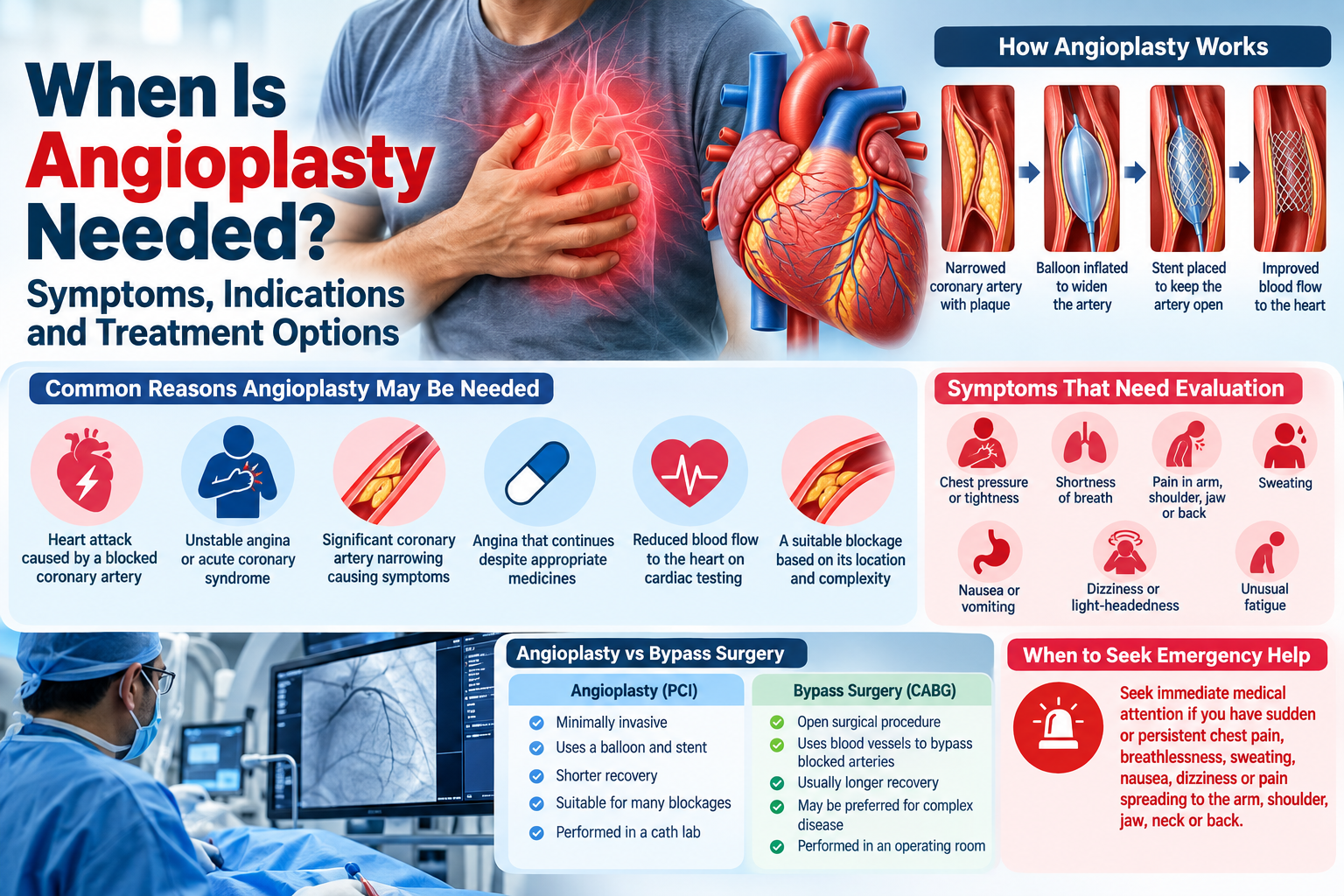
Signs of heart attack in women

Signs of heart attack in women are often different from what many people traditionally associate with a heart attack. While chest pain is widely recognised, women may experience less obvious symptoms that are frequently mistaken for stress, acidity, or fatigue. This delay in recognition can lead to late diagnosis and increased complications. For women in Mumbai and across India, understanding these warning signs and knowing when to seek medical attention can be life-saving. Hospitals today focus on early detection, accurate diagnosis, and compassionate care to ensure better outcomes for female heart patients.

What Is heart attack in women

A heart attack, medically known as a myocardial infarction, occurs when blood flow to a part of the heart muscle is blocked, usually due to plaque buildup in the coronary arteries. Without timely restoration of blood flow, the affected heart muscle can suffer permanent damage.

In women, heart disease may develop differently compared to men. Hormonal changes, especially after menopause, conditions such as diabetes or high blood pressure, and lifestyle factors can all influence how symptoms appear. Unlike the dramatic chest pain often portrayed in movies, women may experience vague or milder discomfort that does not immediately feel cardiac in nature.

Hospitals with dedicated cardiology departments follow a patient-centric approach, using advanced diagnostic tools such as ECG, cardiac biomarkers, echocardiography, and imaging studies to quickly identify heart attacks in women. Early diagnosis allows doctors to start appropriate treatment, reduce complications, and improve recovery.

Diet to follow

Preventing heart disease and reducing the risk of a heart attack starts with daily lifestyle choices. Hospitals often guide women on heart-healthy habits that support long-term cardiovascular wellness. Key recommendations include:

  • Following a balanced diet rich in fruits, vegetables, whole grains, and lean proteins

  • Reducing intake of excess salt, sugar, and saturated or trans fats

  • Including heart-friendly fats such as nuts, seeds, and omega-3 rich foods

  • Maintaining a healthy body weight through regular physical activity

  • Managing stress through relaxation techniques, yoga, or meditation

  • Avoiding tobacco use and limiting alcohol consumption

  • Keeping regular health check-ups to monitor blood pressure, cholesterol, and blood sugar levels

These measures not only help prevent heart attacks but also support overall well-being, especially for women with a family history of heart disease.

When to See a Doctor

Recognising early symptoms is crucial. Signs of heart attack in women may vary in intensity and combination. Seek immediate medical attention if any of the following symptoms occur, especially if they are new, persistent, or worsening

  • Unusual chest discomfort, pressure, tightness, or burning sensation

  • Pain or discomfort in the arms, back, neck, jaw, or upper abdomen

  • Shortness of breath, with or without chest discomfort

  • Nausea, vomiting, or a feeling of indigestion

  • Sudden dizziness, light-headedness, or fainting

  • Cold sweats or unexplained fatigue

  • Extreme tiredness that lasts for days without a clear reason

Women should not ignore these symptoms or wait for them to pass. Early hospital evaluation can make a significant difference in treatment success and recovery.

Treatment Options

Appendix removal surgery, also known as appendectomy, is the most effective treatment for appendicitis.

Surgical options may include:

  • Laparoscopic appendectomy: Minimally invasive surgery with smaller cuts, less pain, and quicker recovery
  • Open appendectomy: Recommended in complicated or ruptured appendix cases

The choice of surgery depends on the patient’s condition and overall health.

Why Choose Kolekar Hospital

Choosing the right hospital for heart-related emergencies is a critical decision, especially when early diagnosis and timely treatment can save lives. Kolekar Hospital is a trusted healthcare facility in Mumbai, known for its patient first approach, experienced medical team, and reliable emergency care services.

The hospital is supported by skilled doctors who are trained to recognise both typical and atypical cardiac symptoms, including the subtle warning signs often seen in women. With access to modern diagnostic facilities, patients receive prompt evaluation and accurate assessment, helping doctors take swift, informed decisions during cardiac emergencies.

Kolekar Hospital offers round-the-clock emergency and critical care support, ensuring patients are never left waiting during crucial moments. Treatment protocols follow established medical standards, focusing on safety, clinical accuracy, and patient comfort at every stage of care.

A multidisciplinary team works together to provide personalised attention, from initial diagnosis to recovery guidance. Compassionate nursing care, clear communication, and post-treatment support help patients and families feel reassured throughout the treatment journey.

This commitment to ethical medical practice, dependable infrastructure, and compassionate care makes Kolekar Hospital a reliable choice for women seeking timely and effective heart care in Mumbai.


FAQ

Yes, heart attack symptoms in women can be different and sometimes less obvious than those seen in men. Along with chest discomfort, women may experience fatigue, breathlessness, nausea, back or jaw pain, and unexplained weakness. This is why early evaluation at a hospital is important if symptoms feel unusual or persistent.

While the risk increases with age, younger women can also experience heart attacks, especially if they have risk factors such as diabetes, high blood pressure, obesity, smoking, high stress levels, or a family history of heart disease. Any concerning symptoms should be medically evaluated, regardless of age.

ou should seek immediate medical attention if you notice sudden chest discomfort, shortness of breath, unexplained sweating, dizziness, or severe fatigue. Delaying treatment can increase the risk of complications, so it is always safer to visit the hospital early.

Conclusion

Heart attacks in women are more common than many realise, and their symptoms are often overlooked. Understanding the signs of heart attack in women empowers patients and families to act quickly and seek medical help without delay. Early diagnosis, supported by expert hospital care, can save lives and improve long-term heart health.

If you or a loved one experiences any warning signs, do not self-diagnose or delay care. Contact a qualified cardiology hospital in Mumbai for immediate evaluation and guidance. Your heart health deserves timely attention and trusted medical support.

Book Appointment

To book an appointment or seek urgent evaluation, visit the hospital website or contact the hospital directly.


Hospital:
Kolekar Hospital
Website: https://www.kolekarhospital.com
Email:
kolekaraditya@gmail.com
Phone: 8104961896 | 7506945763
Address: Omprakash Arcade, 2nd, 3rd & 4th Floor, Ambedkar Garden, Chembur, Mumbai – 400071, Maharashtra, India

Loading

General surgery

Ignoring Appendix Symptoms Can Be Risky: When Doctors Recommend Appendix Removal Surgery

Ignoring appendix symptoms can be risky because appendix removal surgery is often the safest treatment once appendicitis is suspected. What starts as mild stomach pain can quickly worsen and lead to serious complications if delayed. Doctors recommend timely appendix removal surgery to prevent rupture, infection, and prolonged recovery.

Why early attention matters

  • Appendix inflammation can worsen within hours

  • Risk of rupture increases if treatment is delayed

  • Early surgery usually means faster recovery and fewer complications

Key Conditions Treated

This service focuses on diagnosing and treating appendix-related conditions that require careful medical evaluation.

Common conditions include:

  • Acute appendicitis

  • Recurrent or chronic appendicitis

  • Inflamed or infected appendix

  • Complicated or ruptured appendix cases

Early identification of these conditions helps doctors decide the right time for surgery.

Diagnostic Services

Proper diagnosis is essential before recommending appendix removal surgery. Doctors use a combination of clinical assessment and tests to confirm the condition.

Diagnostic methods commonly used:

  • Physical examination to assess pain location and severity

  • Blood tests to detect infection or inflammation

  • Ultrasound or CT scan to confirm appendicitis and rule out other causes

Accurate diagnosis ensures safe and timely treatment.

Treatment Options

Appendix removal surgery, also known as appendectomy, is the most effective treatment for appendicitis.

Surgical options may include:

  • Laparoscopic appendectomy: Minimally invasive surgery with smaller cuts, less pain, and quicker recovery

  • Open appendectomy: Recommended in complicated or ruptured appendix cases

The choice of surgery depends on the patient’s condition and overall health.

Why Choose Kolekar Hospital

Our hospital follows a patient-first and safety-focused approach to appendix care.

What patients can expect:

  • Experienced doctors and surgical team

  • Modern operation theatres and diagnostic facilities

  • Clear explanation of condition and treatment plan

  • Supportive care before and after surgery

The goal is safe treatment with comfort and confidence

FAQ

Pain that worsens, shifts to the lower right abdomen, or comes with fever, nausea, or vomiting should be evaluated immediately.

In most confirmed cases of appendicitis, surgery is recommended to prevent rupture and future complications.

Recovery is usually faster with laparoscopic surgery, and many patients return to normal activities within a few weeks.

Conclusion

Ignoring appendix symptoms can put your health at serious risk, especially when early warning signs are overlooked. Timely diagnosis and appendix removal surgery help prevent complications such as rupture and infection, while ensuring faster recovery and better outcomes. Seeking medical advice at the right time allows doctors to take safe, well-informed decisions and protects patients from avoidable emergencies.

Hospital: Kolekar Hospital
Website: https://www.kolekarhospital.com
Email:
kolekaraditya@gmail.com
Phone: 8104961896 | 7506945763
Address: Omprakash Arcade, 2nd, 3rd & 4th Floor, Ambedkar Garden, Chembur, Mumbai – 400071, Maharashtra, India

Book Appointment

To book an appointment or seek urgent evaluation, visit the hospital website or contact the hospital directly.

Loading

orthopedic

Knee Replacement Surgery: Procedure, Types and Risks

Knee Replacement Surgery has become one of the most successful and reliable orthopaedic procedures for people suffering from severe knee pain, stiffness, or mobility issues. Whether caused by osteoarthritis, rheumatoid arthritis, injury, or age-related wear and tear, knee problems can affect daily life, making even simple activities like walking or climbing stairs painful. This blog will help you understand what Knee Replacement Surgery is, how it works, its types, risks, recovery timeline, and why choosing a specialised center like Kolekar Hospital ensures better outcomes.

What Is Knee Replacement Surgery?

Knee Replacement Surgery, also known as knee arthroplasty, is a procedure where damaged knee joint surfaces are removed and replaced with artificial implants (prostheses). These artificial parts recreate the natural movement of the knee, reduce pain, and restore mobility.

It is recommended when:

  • Pain persists even after medications, physiotherapy, or injections
  • Joint deformity like bow legs or knock knees develops
  • Knee stiffness affects basic activities
  • X-rays show significant joint damage
  • Pain affects sleep and daily routines

Knee Replacement Surgery offers long-term relief and can significantly improve the quality of life for patients suffering from chronic knee conditions.

Who Needs Knee Replacement Surgery?

Most candidates for Knee Replacement Surgery fall into these categories:

1. Osteoarthritis

This is the most common reason. The protective cartilage in the knee wears away, leading to bone-on-bone friction.

2. Rheumatoid Arthritis

An autoimmune condition causing chronic inflammation and severe joint damage.

3. Post-Traumatic Arthritis

Injury-related cartilage or ligament damage eventually leads to arthritis.

4. Knee Deformities

Excessive bending of the knee, bowing, or misalignment can worsen pain.

5. Failed Previous Surgeries

Patients who have had unsuccessful knee procedures may require revision Knee Replacement Surgery.

Types of Knee Replacement Surgery

Understanding the types helps patients and families make informed decisions.

1. Total Knee Replacement (TKR)

The entire knee joint is replaced with prosthetic components.

Recommended for:

  • Advanced arthritis
  • Severe joint degeneration
  • Patients with deformity or long-term knee damage

2. Partial Knee Replacement (PKR)

Only the damaged portion of the knee, medial, lateral, or patellofemoral, is replaced.

Benefits include:

  • Smaller incision
  • Faster recovery
  • Less bone removal

3. Robotic Knee Replacement Surgery

Robotic-assisted tools help the surgeon perform the procedure with greater accuracy, improving implant fit and longevity.

4. Revision Knee Replacement

Used when a previous implant wears out, loosens, or fails due to infection or trauma.

How Knee Replacement Surgery Is Performed: Step-by-Step Procedure

The process begins with preoperative evaluation and ends with rehabilitation. Here is a detailed overview of the procedure:

1. Preoperative Assessment

  • X-rays, CT scans, or MRI
  • Blood tests
  • Heart evaluation
  • Discussion about anesthesia options
  • Pre-surgery physiotherapy

2. Anesthesia

Patients receive either:

  • Spinal anesthesia
  • General anesthesia
    The type depends on the patient’s health and preference.

3. Incision and Exposure

A surgical incision is made over the knee to access the joint.

4. Removal of Damaged Tissue

The surgeon removes damaged cartilage, worn-out bone, and any irregular surfaces.

5. Implant Placement

Prosthetic components made from metal and polyethylene are fixed on the thigh bone, shin bone, and kneecap.

6. Alignment and Balancing

Proper alignment is crucial for smooth knee movement and implant longevity.

7. Closure and Dressing

The incision is closed with sutures or staples, followed by sterile dressing.

8. Postoperative Monitoring

Patients are shifted to a recovery room where vital signs are observed.

Components Used in Knee Replacement Surgery

ComponentMaterial UsedFunction
Femoral ComponentMetal (Cobalt-Chromium)Replaces thigh bone surface
Tibial ComponentMetal + PolyethyleneReplaces shin bone surface
Patellar ComponentPolyethyleneReplaces knee cap surface
SpacerPolyethyleneEnsures gliding movement

Benefits of Knee Replacement Surgery

Patients undergoing Knee Replacement Surgery can expect:

  • Long-term relief from knee pain
  • Increased mobility and flexibility
  • Ability to walk comfortably
  • Improved knee alignment and stability
  • Better quality of life
  • High success rate (over 95% in most cases)

For many people, Knee Replacement Surgery restores the ability to participate in daily activities, travel, or even resume low-impact exercises.

Risks and Possible Complications of Knee Replacement Surgery

Although Knee Replacement Surgery is safe, like any major procedure, there are potential risks. Understanding them helps patients stay alert during recovery.

1. Infection

Deep or superficial wound infections may require antibiotics or additional surgery.

2. Blood Clots (DVT)

Clots can form in the leg veins, especially during the initial days of recovery.

3. Implant Loosening

Rare but possible if the implant wears out over time.

4. Nerve or Blood Vessel Injury

Though rare, nearby nerves or blood vessels may get affected.

5. Stiffness in the Knee

Patients may experience limited knee movement if physiotherapy is delayed.

6. Allergic Reaction to Metals

Some patients may experience irritation from implant materials.

7. Persistent Pain

A small percentage of patients may continue to feel pain despite successful surgery.

Recovery After Knee Replacement Surgery

Recovery is a combination of rest, physiotherapy, lifestyle modifications, and regular follow-ups.

Day 1–3

  • Mild walking with support
  • Pain and swelling management
  • Leg exercises guided by physiotherapists

Week 1–4

  • Increased walking distance
  • Improved knee bending
  • Transition from walker to stick
  • Reduced pain medications

Month 1–3

  • Strengthening exercises
  • Better balance and stability
  • Return to routine activities

Month 3–12

  • Most patients walk comfortably
  • Implant adjusts to natural movement
  • Resuming light sports like swimming or cycling (only after doctor approval)

Expected Recovery Timeline After Knee Replacement Surgery

Time PeriodPatient Progress
1–2 WeeksWalking with support, reduced swelling
3–6 WeeksAble to walk comfortably, increased mobility
2–3 MonthsImproved knee strength, return to normal routine
6–12 MonthsFull recovery, implant functioning optimally

Life After Knee Replacement Surgery

Most patients experience a dramatic improvement in lifestyle after Knee Replacement Surgery. With proper care, the artificial knee can last 15–20 years or more.

Things Patients Can Do

  • Walking
  • Swimming
  • Climbing stairs
  • Cycling
  • Yoga (with modifications)

Things to Avoid

  • High-impact sports
  • Heavy weight lifting
  • Running or jumping
  • Twisting motions

Cost of Knee Replacement Surgery

The cost of Knee Replacement Surgery varies based on:

  • Type of implant
  • Surgeon’s expertise
  • Hospital facilities
  • Type of surgery (Total/Partial/Robotic)
  • Diagnostic tests
  • Post-operative physiotherapy

Kolekar Hospital offers advanced knee care with transparent pricing and personalised treatment plans.

Why Choose Kolekar Hospital for Knee Replacement Surgery?

Kolekar Hospital is known for offering specialised orthopaedic care with advanced technology and expert surgeons. Here’s why patients trust us:

  • Experienced knee replacement specialists
  • High-quality implants with long lifespan
  • Robotic and minimally invasive surgical options
  • Excellent physiotherapy and rehabilitation support
  • Advanced infection control systems
  • Personalised treatment plans
  • High success rate and patient satisfaction

Our multidisciplinary team ensures that every patient receives complete support from diagnosis to rehabilitation.

Frequently Asked Questions (FAQs)

1. How long does Knee Replacement Surgery take?

Usually 1–2 hours depending on the type of surgery.

2. When can patients walk after Knee Replacement Surgery?

Most patients begin walking with support within 24 hours.

3. How painful is the recovery?

Mild to moderate pain is expected initially and is well managed with medication and physiotherapy.

4. Is Knee Replacement Surgery safe for senior citizens?

Yes, it is safe when performed with proper evaluation and monitoring.

5. How long does the implant last?

Most implants last 15–20 years or more with proper care.

Conclusion

Knee Replacement Surgery is a life-changing procedure for individuals struggling with chronic knee pain, joint damage, or mobility limitations. With proper evaluation, expert surgical care, and structured rehabilitation, patients can return to an active, pain-free lifestyle. If you or a loved one is considering Knee Replacement Surgery, Kolekar Hospital offers reliable, advanced, and personalised care for the best outcomes.

Loading

Kidney

Kidney Stone Symptoms in Women: A Complete Guide for Early Diagnosis & Treatment

Kidney stones are one of the most common urinary tract conditions affecting women today. While both men and women can develop stones, kidney stone symptoms in women often appear differently and may even be confused with gynecological or gastrointestinal issues. Understanding these symptoms early can prevent complications, reduce pain episodes, and ensure timely medical care.

At Kolekar Hospital, we regularly treat women experiencing kidney stones, helping them with accurate diagnosis, safe removal, and preventive guidance. This detailed guide explains the causes, risk factors, and kidney stone symptoms in women, along with tests and treatment options available.

What Are Kidney Stones?

Kidney stones are hard, crystalline deposits that form inside the kidneys when minerals and salts accumulate. These stones can vary in size from tiny grains to large stones that can obstruct the urinary tract.

Types of kidney stones include:

  • Calcium oxalate stones (most common)
  • Uric acid stones
  • Struvite stones
  • Cystine stones

Understanding the type of stone helps in planning long-term preventive care.

Why Kidney Stone Symptoms in Women Can Be Different

Women may experience stones differently because:

  • Their urinary tract anatomy differs from men.
  • They may confuse symptoms with UTIs, menstrual cramps, pelvic pain, or ovarian issues.
  • Hormonal changes can alter fluid balance and contribute to stone formation.

This makes it crucial to identify the unique kidney stone symptoms in women.

Early Kidney Stone Symptoms in Women

Early detection can prevent severe pain and complications. Here are the most common early signs:

1. Persistent Lower Back or Side Pain

Women often experience sharp or dull pain on one side of the lower back. The pain may:

  • Come and go in waves
  • Radiate from the back to the front
  • Worsen during movement

2. Pain During Urination

A burning or stinging sensation during urination may indicate that a stone has moved into the ureter.

3. Frequent Urge to Urinate

Women might feel the need to pass urine repeatedly, even if only a small amount comes out.

4. Cloudy or Foul-Smelling Urine

Changes in urine color or smell may indicate infection, which often accompanies kidney stones in women.

Advanced Kidney Stone Symptoms in Women

As stones grow or move, symptoms become more severe.

Severe Abdominal or Pelvic Pain

Many women mistake this for menstrual cramps or ovarian pain. However, kidney stone pain:

  • Is more intense
  • Comes suddenly
  • Shifts position as the stone moves

Blood in Urine (Hematuria)

Urine may appear pink, red, or brown. This occurs when the stone scratches the urinary tract lining.

Nausea and Vomiting

Sharp pain from kidney stones triggers nerve connections between the kidneys and the gastrointestinal system.

Fever and Chills

This is a warning sign of infection a medical emergency that requires immediate treatment.

Kidney Stone Symptoms in Women vs. Men: Key Differences

Symptom CategoryWomenMen
Pain locationPelvic, lower abdomen, backBack, groin
Confusion with other conditionsMenstrual cramps, UTIs, ovarian painHernia, muscular pain
Urinary symptomsMore frequent and intenseModerate
Infection riskHigherLower

Women are more likely to experience overlapping symptoms, making diagnosis more challenging.

What Causes Kidney Stones in Women?

Several factors increase the likelihood of developing stones:

1. Dehydration

Insufficient water intake concentrates minerals in the urine.

2. Diet High in Salt or Oxalates

Foods like spinach, nuts, chocolates, and processed foods increase stone-forming minerals.

3. Hormonal Changes

Pregnancy and menopause can alter mineral balance and urine flow.

4. Family History

Women with a family history of kidney stones are more prone to develop them.

5. Recurring UTIs

Infections increase the risk of struvite stones.

6. Obesity or Sedentary Lifestyle

Metabolic changes can lead to stone formation.

How Kidney Stones Are Diagnosed in Women

When women experience kidney stone symptoms, early diagnosis ensures faster recovery. At Kolekar Hospital, we use advanced imaging and laboratory tests to confirm the presence of stones.

Common diagnostic tests include:

  • Ultrasound – First-line, radiation-free test for women
  • CT Scan – Detects even tiny stones with high accuracy
  • Urine Analysis – Checks for minerals, infections, blood
  • X-ray (KUB) – For tracking stone position over time
  • Blood Tests – Evaluates kidney function and mineral levels

Treatment Options for Kidney Stones in Women

Treatment depends on the size, type, and location of the stone.

1. Conservative Management (Small Stones)

Most stones under 5 mm pass naturally. Doctors recommend:

  • High fluid intake
  • Pain relievers
  • Medication to relax ureters

2. Medical Expulsive Therapy

Certain medications help stones move out more easily.

3. Minimally Invasive Procedures

Shock Wave Lithotripsy (SWL)

Non-invasive method that uses sound waves to break the stone into small pieces.

Ureteroscopy (URS)

A thin scope is passed through the urethra and bladder to remove or break the stone.

Percutaneous Nephrolithotomy (PCNL)

Used for large or complex stones; a small incision is made in the back to remove the stone.

When Kidney Stones Become an Emergency

Seek immediate medical care if a woman experiences:

  • Severe, unbearable pain
  • Fever or chills
  • Blood in urine
  • Inability to urinate
  • Sudden nausea and vomiting

These symptoms may indicate blockage or infection.

Prevention Tips for Kidney Stones in Women

Preventing kidney stones is possible with simple lifestyle changes.

Hydration

  • Drink 2.5–3 liters of water daily
  • Monitor urine color light yellow indicates good hydration

Dietary Management

  • Reduce salt
  • Limit oxalate-rich foods

Healthy Lifestyle

  • Maintain a healthy weight
  • Stay physically active

Regular Medical Checkups

Women with recurrent kidney stones should undergo regular follow-up to monitor kidney health.

When to Visit a Specialist

Women should consult a kidney specialist or urologist at Kolekar Hospital if they experience:

  • Recurrent UTIs
  • Family history of kidney stones
  • Persistent abdominal or back pain
  • Unexplained urinary changes

Kidney Stone Symptoms in Women – Summary Table

CategorySymptoms
Early SignsMild back pain, frequent urination, cloudy urine, burning sensation
Advanced SignsSevere abdominal pain, pelvic pain, blood in urine, nausea
Emergency SymptomsFever, chills, vomiting, severe pain, difficulty urinating

Why Choose Kolekar Hospital for Kidney Stone Treatment?

At Kolekar Hospital, we provide:

  • Advanced diagnostic tools for accurate detection
  • Minimally invasive treatments with faster recovery
  • Personalized care for women with complex symptoms
  • Round-the-clock medical support for emergencies
  • Experienced urologists specializing in kidney stone management

Our patient-centric approach ensures safety, comfort, and long-term relief.

Final Thoughts

Understanding kidney stone symptoms in women helps in early detection and timely treatment. Women often experience overlapping symptoms with UTIs, pelvic conditions, or menstrual cycles, which makes awareness even more important. If you notice any warning signs, do not ignore them. Early intervention prevents complications.

Kolekar Hospital is committed to offering specialized, minimally invasive, and advanced care for women experiencing kidney stones. If you or someone you know has symptoms, schedule a consultation for timely diagnosis and treatment.

Loading

Posts pagination