Piles

Diet Chart for Piles Patient: Foods for piles

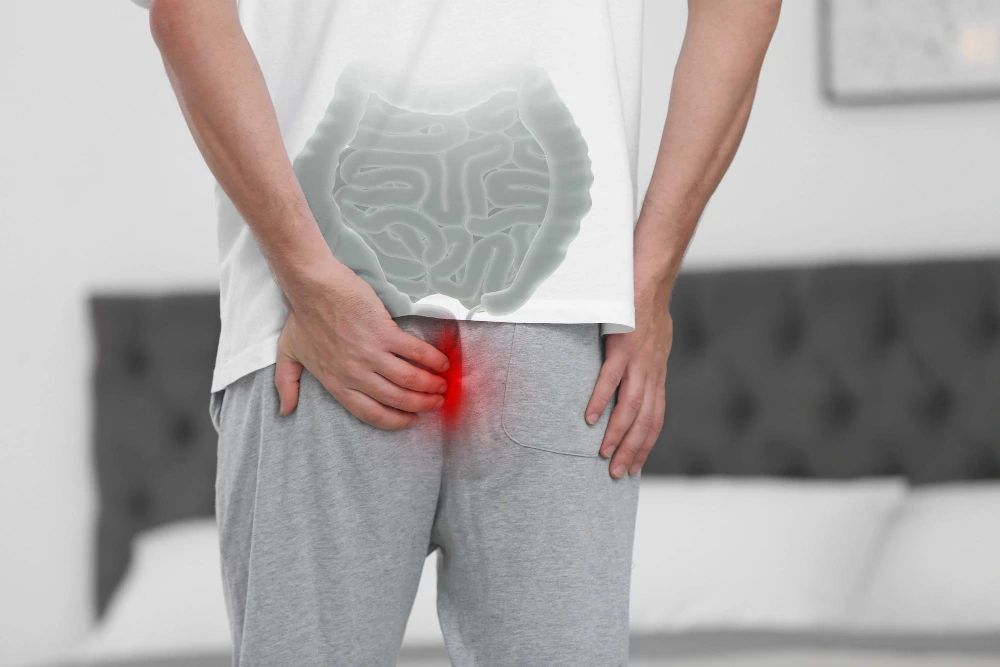
Piles, also known as haemorrhoids, are swollen veins in the lower rectum or anus. One of the most effective ways to manage and prevent piles is through dietary changes. A balanced, fibre-rich diet can reduce constipation, soften stool, and decrease pressure on the anal region.

This article provides a comprehensive diet chart for piles patient, including meal-wise plans, foods to eat, foods to avoid, hydration tips, and FAQs. Whether you’re dealing with bleeding piles, external or internal haemorrhoids, or recovering from piles surgery, this guide will help you make the right food choices

Why Diet Matters for Piles Patients

A poor diet is often a major contributor to the development of piles. Low-fibre foods can lead to hard stools and straining during bowel movements, which worsens piles. By following a proper diet chart for piles patient, you can:

  • Ease bowel movements
  • Reduce bleeding and discomfort
  • Prevent recurrence
  • Support post-surgery healing
  • Improve overall digestive health

Recommended Foods in Diet Chart for Piles Patient

CategoryFoods to IncludeBenefits
High-fibre VegetablesBroccoli, spinach, kale, carrots, beets, pumpkin, sweet potatoSoftens stool, adds bulk
FruitsPapaya, banana, apple (with skin), pears, berries, watermelon, prunesNatural laxative effect, hydration
Whole GrainsOats, brown rice, quinoa, barley, whole wheat breadFibre-rich, keeps digestion smooth
LegumesLentils, kidney beans, black beans, chickpeasHigh in soluble and insoluble fibre
Seeds & NutsFlaxseeds, chia seeds, almonds, walnutsOmega-3 fats, fibre, anti-inflammatory
Healthy FatsOlive oil, ghee (in moderation), avocadoLubricates bowel, anti-inflammatory
ProbioticsCurd, buttermilk, kefir, sauerkrautImproves gut flora, eases digestion
FluidsWater, coconut water, herbal teas (ginger, chamomile), vegetable soupsPrevents dehydration, softens stool

Including these foods regularly as part of a diet chart for piles patient can lead to long-term relief and healing.

Meal-wise Diet Chart for Piles Patient (Sample Daily Plan)

Meal TimeMenu Suggestions
Early Morning1 glass lukewarm water with 1 tsp soaked flaxseeds OR warm lemon water
BreakfastOatmeal topped with banana and chia seeds + herbal tea OR Vegetable upma with coconut chutney + a glass of buttermilk
Mid-MorningA bowl of papaya OR apple with skin + handful of soaked almonds
LunchBrown rice + moong dal + sautéed spinach + cucumber salad + 1 tsp ghee on rice OR Multigrain roti + rajma + beetroot stir fry
Post-Lunch1 glass buttermilk or homemade chaas with roasted jeera
Evening SnackRoasted chana or murmura chaat with chopped tomatoes, onions, coriander OR 1 slice of whole wheat toast with avocado
DinnerQuinoa khichdi with carrots and peas + pumpkin soup OR Whole wheat phulka + mixed vegetable sabzi + curd
Bedtime1 glass warm water with soaked raisins OR a small bowl of stewed prunes

Foods to Avoid in Diet Chart for Piles Patient

Avoid These FoodsReason
Red meat, processed meatHard to digest, low in fibre
Deep-fried foods, spicy curriesCan irritate the bowel lining, increase inflammation
Refined flour (maida), bakery itemsConstipating, low in fibre
Caffeinated drinks (coffee, cola)Dehydrates the body, causes hard stool
Alcohol and smokingWeakens digestion, affects blood circulation
Cheese and full-fat dairyCan lead to constipation
Ready-to-eat meals, fast foodHigh in salt, low in fibre, preservatives upset gut health

Avoiding these items is just as crucial as eating the right foods in a diet chart for piles patient.

Hydration is Key

Water is your best friend when managing piles.

Hydration TipsWhy It Matters
Drink 2.5–3 litres of water dailyPrevents dehydration and hard stools
Start your day with lukewarm waterStimulates bowel movement
Include soups, coconut water, herbal teasAdds to hydration count and provides nutrients
Avoid sugary sodas and packed fruit juicesEmpty calories and low fibre

Hydration plays a crucial role in the success of a diet chart for piles patient, especially in easing constipation.

Diet Tips for Piles Surgery Recovery

If you’ve undergone a piles surgery (like laser or stapler surgery), your diet becomes even more critical for recovery.

PhaseRecommended Diet
First 2 DaysClear liquids like vegetable broth, coconut water, diluted apple juice, and warm water
Next 3–5 DaysGradually include soft foods like khichdi, boiled veggies, mashed banana, and dal water
After 1 WeekShift to the regular diet chart for piles patient, focusing on whole foods, fibre, and probiotics

Always consult your doctor or dietitian before making major changes post-surgery.

FAQs: Diet Chart for Piles Patient

Q1. Can I eat non-veg food if I have piles?

Yes, but in moderation. Prefer lean meats like chicken or fish, and avoid fried or heavily spiced preparations.

Q2. What is the best breakfast in the diet chart for piles patient?

Oatmeal with banana and chia seeds, or poha with veggies and a glass of buttermilk, are great options.

Q3. Should I avoid dairy products?

Avoid full-fat dairy and cheese, but probiotic-rich curd and buttermilk are beneficial for gut health.

Q4. Are bananas good for piles?

Yes, ripe bananas are rich in fibre and help relieve constipation, making them a staple in a diet chart for piles patient.

Q5. Is fasting recommended?

Fasting isn’t ideal if it leads to dehydration or constipation. Always break your fast with light, fibre-rich foods.

Final Thoughts: Diet Chart for Piles Patient

A proper diet chart for piles patient goes beyond temporary relief—it can help eliminate the root cause of discomfort. Focus on:

✅ High fibre
✅ Low spice
✅ Proper hydration
✅ Avoiding trigger foods
✅ Consistent meal timings

Combine this with mild physical activity, such as walking or yoga, and regular checkups to manage piles effectively.

Weekly Rotation Table (for Variety)

DayKey Fibre SourceProtein SourceHydration Boost
MondayBrown rice + pumpkinMoong dalButtermilk + water
TuesdayOats + spinachRajmaCoconut water + lemon tea
WednesdayMultigrain roti + beetsChana dalWarm water + cucumber soup
ThursdayQuinoa + broccoliChickpeasHerbal tea + fruit water
FridayMillet khichdiTofu or paneerButtermilk + mint water
SaturdayWhole wheat pastaLentilsTomato soup + water
SundayVegetable pohaCurdFruit-infused water

Rotate this weekly plan to keep meals exciting and gut-friendly.

Conclusion: Your Diet is the First Step, But Expert Help Matters Too

While following a dedicated diet chart for piles patients can greatly improve their symptoms and overall digestive health, some cases may still require medical or surgical intervention, especially if the piles are advanced, recurrent, or causing severe discomfort.

If you’re in Mumbai and looking for trusted care, Kolekar Hospital offers advanced and compassionate Piles surgery in Chembur. Our team of experienced surgeons ensures safe, effective treatment options tailored to your condition, whether it’s laser surgery, stapler haemorrhoidectomy, or other minimally invasive techniques.

👉 Want to avoid common lifestyle mistakes that worsen piles? Don’t miss this essential read:
7 Common Mistakes That Cause Piles – Kolekar Hospital

Loading

Uncategorized

Pilonidal Sinus Surgery Types: Comprehensive Guide

Introduction

Pilonidal sinus disease is a chronic skin condition that occurs in the crease of the buttocks near the coccyx, or tailbone. It is characterised by the formation of a small tunnel or cavity under the skin, often caused by ingrown hairs or friction. This condition can lead to pain, swelling, and infection. Treatment for pilonidal sinus disease varies depending on the severity and recurrence of the condition. Surgical intervention is often necessary to alleviate symptoms and prevent further complications. In this comprehensive guide, we will explore the different types of pilonidal sinus surgeries, their procedures, benefits, and recovery times.

Types of Pilonidal Sinus Surgery

1. Wide Excision with Open Healing

Procedure:
The surgeon removes the pilonidal sinus along with the surrounding tissue, leaving the wound open to heal naturally.

Benefits:

  • Effective for extensive or recurrent sinusitis.
  • Allows for complete removal of infected tissue.

Drawbacks:

  • Requires daily dressing changes.
  • Longer healing time, typically 6–8 weeks.
  • Higher risk of wound infection.

2. Laser Pilonidoplasty (LPP)

Procedure:
A minimally invasive procedure using a laser to remove the sinus tract and seal the cavity.

Benefits:

  • Shorter recovery time, with patients returning to routine activities within 5 days.
  • Minimal scarring.
  • Low recurrence rate.

Drawbacks:

  • Not suitable for all cases, especially extensive sinuses.
  • Requires specialised equipment and expertise.

3. Endoscopic Pilonidal Sinus Treatment (EPSiT)

Procedure:
Utilises an endoscope to visualise and treat the sinus cavity, removing hair and debris.

Benefits:

  • Minimally invasive with small incisions.
  • Quick recovery time.
  • Reduced risk of recurrence.

Drawbacks:

  • Not suitable for large or complex sinuses.
  • Requires specialised equipment and training.

4. Karydakis Flap Procedure

Procedure:
Involves excising the sinus and reshaping the surrounding tissue to close the wound.

Benefits:

  • Low recurrence rate.
  • Reduces tension on the wound.
  • Faster healing compared to wide excision.

Drawbacks:

  • Requires general anaesthesia.
  • It may not be suitable for all patients.

5. Limberg Flap Reconstruction

Procedure:
Removes the sinus and surrounding tissue, followed by the rotation of a rhomboid-shaped flap of skin to cover the wound.

Benefits:

  • Effective for extensive sinuses.
  • Low recurrence rate.
  • Good cosmetic outcomes.

Drawbacks:

  • Requires general anaesthesia.
  • Longer recovery time.

6. Z-Plasty

Procedure:
Involves creating triangular flaps of skin and repositioning them to close the wound.

Benefits:

  • Improves the aesthetic appearance of the scar.
  • Reduces tension on the wound.

Drawbacks:

  • Higher risk of recurrence.
  • Requires general anaesthesia.
  • Longer recovery time.

7. Modified Karydakis (Cleft Lift) Procedure

Procedure:
Reshapes the intergluteal cleft to flatten it, reducing the risk of hair accumulation and infection.

Benefits:

  • Low recurrence rate.
  • Improved cosmetic outcomes.
  • Suitable for patients with deep intergluteal clefts.

Drawbacks:

  • Requires general anaesthesia.
  • Longer recovery time.

Comparison Table of Pilonidal Sinus Surgery Types

Surgery TypeInvasivenessRecovery TimeRecurrence RateBest Suited For
Wide Excision (Open Healing)High6–8 weeksModerateExtensive or infected sinuses
Laser Pilonidoplasty (LPP)Low~5 daysLowSmall, uncomplicated sinuses
Endoscopic Pilonidal Sinus Treatment (EPSiT)Low1–2 weeksLowFirst-time or recurrent simple sinuses
Karydakis Flap ProcedureModerate4–6 weeksVery LowComplex, deep sinuses or recurrences
Limberg Flap ReconstructionHigh6–8 weeksLowLarge, persistent sinuses
Z-PlastyModerate4–6 weeksHighSuperficial sinuses, cosmetic concern
Modified Karydakis (Cleft Lift)Moderate4–6 weeksVery LowDeep natal cleft, multiple recurrences

Factors Influencing the Choice of Pilonidal Sinus Surgery Types

When determining the most appropriate surgical intervention for pilonidal sinus disease, several factors come into play:

1. Severity of the Condition

  • Extensive or recurrent cases often require more complex flap procedures like Limberg or Karydakis.
  • First-time, mild cases may be managed with laser pilonidoplasty or EPSiT.

2. Presence of Infection or Abscess

  • Acute infections may need to be treated with antibiotics or drainage before surgery.
  • Chronic infected tracts may benefit from complete excision with open healing or flap surgery.

3. Patient’s General Health

  • Minimally invasive procedures are preferred for patients with comorbidities or those unfit for general anaesthesia.

4. Cosmetic Concerns

  • Surgeries like Z-plasty or cleft lift are often chosen for patients who prioritise aesthetic results.

5. Surgeon Expertise and Equipment Availability

  • Techniques like EPSiT and laser pilonidoplasty require advanced tools and specialised training, limiting their availability in some areas.

Postoperative Care and Recovery Tips

Regardless of the pilonidal sinus surgery type chosen, proper postoperative care is crucial for recovery and prevention of recurrence.

Key Recovery Tips:

  • Keep the Area Clean and Dry: Moisture can cause infection or delay healing.
  • Avoid Prolonged Sitting: Especially on hard surfaces; consider using a cushion.
  • Shave or Use Hair Removal Cream: To prevent hair from re-entering the wound.
  • Follow-up Appointments: Ensure the wound is healing properly and catch early signs of recurrence.
  • Wear Loose Clothing: Prevents friction and allows for better airflow.

Risks and Complications

All types of pilonidal sinus surgery come with potential risks. These may include:

  • Infection: More common with open wound healing.
  • Bleeding: Especially in more invasive procedures.
  • Wound Breakdown or Dehiscence: Poor wound closure can lead to delayed healing.
  • Recurrence: Depending on the surgical method, recurrence rates vary from 3% to over 30%.

Note: Recurrence is most effectively minimised with proper hygiene and surgical techniques that flatten or off-midline the gluteal cleft.

Latest Advances in Pilonidal Sinus Surgery Types

Recent years have seen innovations in the surgical treatment of pilonidal sinus, focusing on:

  • Minimally Invasive Techniques: EPSiT and laser treatments offer quicker recovery and better patient satisfaction.
  • Outpatient Surgeries: Many procedures can now be done under local anaesthesia with same-day discharge.
  • Biodegradable Implants: Used to promote wound healing and reduce the need for dressing changes.

These advances aim to enhance patient outcomes and reduce the emotional and physical toll of long recoveries.

Pilonidal Sinus Surgery Types: When to See a Specialist

It’s essential to consult a colorectal or general surgeon when:

  • Symptoms like pain, redness, and pus persist or worsen.
  • Over-the-counter remedies and antibiotics do not help.
  • There are signs of recurrence after previous surgery.
  • The condition interferes with daily life, work, or physical activity.

Getting early medical advice ensures a broader choice of treatment options, including minimally invasive ones.

Frequently Asked Questions (FAQs)

1. What is the most effective type of pilonidal sinus surgery?

The Karydakis and Limberg flap procedures have the lowest recurrence rates and are highly effective for complex or recurrent cases.

2. Is pilonidal sinus surgery painful?

Pain levels vary. Minimally invasive methods like EPSiT and laser pilonidoplasty result in much less discomfort compared to wide excision.

3. How long does it take to recover from pilonidal sinus surgery?

Recovery can range from 5 days (laser) to 8 weeks (wide excision), depending on the method used.

4. Can a pilonidal sinus return after surgery?

Yes, but recurrence can be minimised through effective surgery, good hygiene, and hair removal practices.

5. Are there non-surgical treatments for pilonidal sinus?

While some acute cases can be managed temporarily with antibiotics or drainage, surgery is the only definitive cure for chronic or recurrent pilonidal disease.

Conclusion

Choosing the right pilonidal sinus surgery type is crucial for long-term relief and reduced recurrence. From traditional wide excision to advanced minimally invasive options like laser pilonidoplasty and EPSiT, each method offers distinct benefits depending on the severity of the condition and patient needs.

For those located in or near Mumbai, effective and personalised Pilonidal Sinus Treatment in Chembur is available at Kolekar Hospital. Our experienced surgical team specialises in modern techniques, ensuring minimal downtime, precise care, and a focus on recurrence prevention.

Loading

Piles

Piles Treatment: Causes, Symptoms, and Best Treatment Options

Piles, also known as hemorrhoids, are swollen veins in the lower rectum and anus. They can cause pain, discomfort, bleeding, and itching, making daily life difficult. While piles are a common condition, they often go untreated due to embarrassment or lack of awareness. However, early diagnosis and proper treatment can help prevent complications and provide lasting relief.

In this article, we will discuss the causes, symptoms, and the most effective treatment options for piles.

What Are Piles?

Piles are inflamed or swollen blood vessels in and around the anal region. They can be classified into two main types:

  1. Internal Piles – Found inside the rectum and usually painless but may cause bleeding.
  2. External Piles – Located under the skin around the anus, leading to pain, swelling, and irritation.

In severe cases, piles can become thrombosed (clotted) or prolapsed, requiring medical intervention.

Causes of Piles

Several factors can contribute to the development of piles, including:

  • Chronic constipation or diarrhea – Straining during bowel movements increases pressure on rectal veins.
  • Low-fiber diet – Lack of fiber leads to hard stools and difficulty passing bowel movements.
  • Prolonged sitting – Sitting for extended periods, especially on the toilet, can increase pressure in the anal region.
  • Obesity – Excess weight puts pressure on the rectal veins.
  • Pregnancy – Increased abdominal pressure can lead to piles in pregnant women.
  • Aging – Weakening of tissues with age makes the veins more susceptible to swelling.
  • Heavy lifting – Frequent lifting of heavy objects can strain rectal veins.

Common Symptoms of Piles

The symptoms of piles vary depending on their severity and type. Common signs include:

Rectal bleeding – Bright red blood during or after a bowel movement.
Pain or discomfort – Especially while sitting or passing stools.
Itching and irritation – In and around the anal region.
Swelling or lumps – A lump near the anus, which may be sensitive or painful.
Mucous discharge – In some cases, a slimy discharge is present.

If left untreated, piles can lead to anemia, infections, and chronic pain, making early treatment essential.

Effective Piles Treatment Options

There are several treatment options for piles, depending on the severity of the condition.

1. Lifestyle and Dietary Changes

For mild cases, simple lifestyle modifications can help:

Increase fiber intake – Eat fruits, vegetables, whole grains, and legumes.
Stay hydrated – Drink plenty of water to soften stools.
Avoid straining – Do not force bowel movements.
Exercise regularly – Helps prevent constipation and improves digestion.
Maintain good hygiene – Keep the anal area clean and dry.

2. Medications and Home Remedies

For temporary relief, doctors may recommend:

Topical creams and ointments – Reduce pain, swelling, and itching.
Oral pain relievers – NSAIDs can ease discomfort.
Warm sitz baths – Sitting in warm water helps soothe irritation.

However, these treatments only manage symptoms and do not cure piles permanently.

3. Minimally Invasive Procedures

For moderate to severe cases, doctors may recommend non-surgical procedures, such as:

🔹 Rubber Band Ligation – A rubber band is placed around the hemorrhoid to cut off blood supply, causing it to shrink.
🔹 Sclerotherapy – A chemical injection shrinks the piles.
🔹 Infrared Coagulation (IRC) – Heat is used to shrink the affected veins.

These procedures are quick, effective, and require minimal recovery time.

4. Surgical Treatments for Severe Cases

If non-surgical treatments fail, advanced surgical procedures may be necessary, including:

🔹 Hemorrhoidectomy – Complete removal of hemorrhoids, recommended for severe cases.
🔹 Stapler Hemorrhoidopexy (MIPH) – A painless surgery using a stapler to reposition internal piles.
🔹 Laser Treatment for Piles – A modern, minimally invasive procedure that ensures quick recovery with less pain.

Laser treatment is highly effective, with minimal bleeding, faster healing, and reduced chances of recurrence.

Conclusion

Piles are a common but treatable condition, and seeking medical care early can prevent complications. Whether through lifestyle changes, medications, or advanced surgical treatments, relief is possible.

At Kolekar Hospital, we specialize in piles treatment in Chembur, offering advanced laser procedures and minimally invasive treatments for quick recovery. Our team of expert proctologists provides personalized care to ensure lasting relief from piles.

Loading

Kidney

Kidney Dialysis: A Life-Saving Treatment for Kidney Failure

Kidney dialysis is a critical medical procedure that helps patients whose kidneys can no longer function effectively. When chronic kidney disease (CKD) or acute kidney failure progresses to an advanced stage, the body is unable to filter waste, excess fluids, and toxins. Dialysis steps in as an artificial filtration process, ensuring that patients maintain a proper balance of fluids and electrolytes.

In this article, we will explore the types of dialysis, who needs it, how it works, and what to expect from treatment

What is Kidney Dialysis?

Kidney dialysis is a treatment that performs the function of the kidneys when they fail. It removes waste, excess fluid, and toxins from the blood, helping to maintain a healthy balance of potassium, sodium, and bicarbonate levels.

Dialysis is not a cure for kidney disease, but it significantly improves quality of life and prolongs survival for patients with kidney failure.

Who Needs Dialysis?

Dialysis is required when kidneys lose about 85-90% of their function. Common conditions that lead to kidney failure include:

  • Chronic Kidney Disease (CKD) – Progressive loss of kidney function over time.
  • Diabetes – High blood sugar can damage kidney tissues.
  • High Blood Pressure (Hypertension) – Strains kidney function and leads to damage.
  • Polycystic Kidney Disease – Genetic condition causing cyst growth in kidneys.
  • Severe Acute Kidney Injury – Sudden kidney failure due to infections, trauma, or medication side effects.

Types of Kidney Dialysis

There are two primary types of kidney dialysis:

1. Hemodialysis

This is the most common type of dialysis, where a dialysis machine and artificial kidney (dialyzer) filter waste and excess fluids from the blood.

Procedure:

  • Blood is drawn from the body through a vascular access.
  • The dialyzer cleans the blood by removing toxins and excess fluid.
  • The filtered blood is returned to the body.

Frequency:

  • Typically 3 times a week, with each session lasting 3-5 hours.
  • Can be done in a hospital, dialysis center, or at home (home hemodialysis).

Pros:
✔ Effective in filtering blood.
✔ Can be done at a medical facility with supervision.

Cons:
✘ Requires frequent visits to the dialysis center.
✘ Risk of infection at the access site.

2. Peritoneal Dialysis (PD)

Peritoneal dialysis is an alternative that allows treatment at home. It uses the body’s peritoneal membrane in the abdomen to filter blood.

Procedure:

  • A special dialysis fluid is introduced into the abdomen through a catheter.
  • The fluid absorbs waste and excess fluid.
  • After a few hours, the fluid is drained and replaced with fresh solution.

Types of Peritoneal Dialysis:

  • Continuous Ambulatory Peritoneal Dialysis (CAPD) – Done manually 4-5 times daily.
  • Automated Peritoneal Dialysis (APD) – A machine cycles the fluid overnight while the patient sleeps.

Pros:
✔ Can be done at home or while traveling.
✔ No need for regular hospital visits.

Cons:
✘ Higher risk of peritoneal infections.
✘ Requires patient responsibility and discipline.

Choosing the Right Dialysis Option

The choice between hemodialysis and peritoneal dialysis depends on:

  • Medical condition and overall health
  • Lifestyle preferences (home vs. center-based treatment)
  • Doctor’s recommendation
  • Availability of support from family or caregivers

For patients with severe conditions, a kidney transplant may be considered as a long-term solution instead of lifelong dialysis.

Living with Dialysis: What to Expect

While dialysis sustains life, it does require adjustments to daily routines. Here’s what patients should be mindful of:

1. Diet and Fluid Intake

  • Limit sodium, potassium, and phosphorus intake to reduce strain on the kidneys.
  • Control fluid intake to prevent swelling and high blood pressure.
  • Eat protein-rich foods to maintain muscle strength.

2. Managing Side Effects

Some patients may experience:

  • Fatigue or weakness due to fluid and electrolyte loss.
  • Low blood pressure (hypotension) during or after hemodialysis.
  • Cramps, itching, or nausea, which can be managed with medications and diet changes.

3. Emotional and Mental Health

Dialysis can be physically and emotionally challenging. Joining support groups, practicing stress management, and maintaining an active lifestyle can help improve mental well-being.

Conclusion

Kidney dialysis is a life-saving treatment that helps patients with kidney failure maintain a healthy and active life. Whether through hemodialysis or peritoneal dialysis, the right treatment plan ensures effective waste removal and improves overall well-being.

At Kolekar Hospital, we provide advanced kidney dialysis in Chembur, ensuring expert care, state-of-the-art facilities, and a compassionate approach. Our specialized nephrologists and dialysis team offer personalized treatment plans to help patients lead a healthier life.

Loading

General surgery

Pilonidal Sinus Surgery: Causes, Symptoms, and Treatment Options

A pilonidal sinus (PNS) is a small tunnel or cyst that forms near the tailbone at the top of the buttocks. This condition often develops due to ingrown hairs, friction, or prolonged sitting, leading to infection and discomfort. If left untreated, a pilonidal sinus can become painful, swollen, and filled with pus, requiring medical intervention. In severe cases, pilonidal sinus surgery is the most effective treatment to prevent recurrence and complications.

Pilonidal Sinus Surgery hospital in Chembur

What Causes a Pilonidal Sinus?

A pilonidal sinus is primarily caused by hair penetration into the skin, leading to inflammation and infection. Several factors contribute to its development, including:

  • Excessive hair growth in the buttock area
  • Prolonged sitting or sedentary lifestyle
  • Obesity or poor hygiene
  • Repeated friction and sweating
  • Family history of pilonidal disease

Symptoms of Pilonidal Sinus

The symptoms of a pilonidal sinus vary depending on the severity of the infection. Some common signs include:

  • Pain and swelling near the tailbone
  • Redness and warmth around the affected area
  • Pus or blood drainage from an opening in the skin
  • Foul-smelling discharge
  • Fever and fatigue (in severe cases)

If these symptoms persist, seeking medical attention is crucial to prevent further infection and complications.

Diagnosis of Pilonidal Sinus

A pilonidal sinus is diagnosed through a physical examination by a specialist. In cases of deep infection, imaging tests like ultrasound or MRI may be recommended to assess the extent of the condition.

Treatment Options for Pilonidal Sinus

The treatment approach for a pilonidal sinus depends on the severity of the condition.

1. Conservative Treatment (For Mild Cases)

  • Antibiotics to control infection
  • Warm compresses to reduce swelling
  • Regular hair removal in the affected area to prevent recurrence

2. Drainage and Incision

For an infected pilonidal cyst, doctors may perform a small incision to drain pus and relieve pain. However, this is a temporary solution, and recurrence is common.

3. Pilonidal Sinus Surgery (Definitive Treatment)

For recurrent or severe pilonidal sinuses, surgical removal is the most effective treatment. There are different types of surgeries:

A. Excision and Open Healing

  • The sinus is completely removed, and the wound is left open to heal naturally.
  • Healing takes longer but reduces recurrence risk.

B. Excision with Primary Closure

  • The sinus is removed, and the wound is stitched closed.
  • Healing is faster, but the recurrence rate may be higher.

C. Laser Surgery

  • A minimally invasive approach using laser technology.
  • Faster recovery and lower recurrence risk.

D. Flap Surgery (For Complex Cases)

  • Involves reconstructive techniques to cover the surgical site.
  • Recommended for patients with multiple or chronic sinuses.

Post-Surgery Recovery and Care

After pilonidal sinus surgery, proper wound care and hygiene are essential for smooth healing and to prevent recurrence. Key post-surgery care tips include:

  • Keep the surgical area clean and dry
  • Avoid prolonged sitting for extended periods
  • Regular hair removal (shaving or laser hair removal)
  • Follow up with your doctor for wound inspection

Conclusion

A pilonidal sinus can cause significant pain and discomfort, affecting your daily activities. If conservative treatments fail to provide relief, pilonidal sinus surgery is the best option for permanent resolution.

At Pilonidal Sinus Surgery Hospital in Chembur, we offer advanced surgical treatments, including laser and minimally invasive procedures, to ensure faster recovery and minimal recurrence. Our expert surgeons provide personalized care to help you regain comfort and confidence.

Loading

Uncategorized

Hernia Surgery Hospital in Chembur: Advanced Treatment for Quick Recovery

Hernia Surgery Hospital in Chembur: Advanced Treatment for Quick Recovery

Introduction

Hernias can cause significant discomfort and, if left untreated, may lead to more serious complications. For those living in Chembur and seeking hernia surgery, it’s important to choose a hospital with expertise in advanced surgical techniques and a commitment to providing quick recovery. Our hospital offers state-of-the-art hernia treatments, ensuring that patients receive the best care possible.

In this article, we will discuss the types of hernias, the surgery options available, and the benefits of choosing our hospital for hernia surgery in Chembur.

What is a Hernia?

A hernia occurs when an organ, typically part of the intestine, protrudes through a weak spot or opening in the surrounding muscle or tissue. Common types of hernias include:

  • Inguinal Hernia: Occurs in the lower abdomen or groin area.
  • Hiatal Hernia: Occurs when part of the stomach pushes up through the diaphragm.
  • Umbilical Hernia: Occurs around the belly button area.
  • Incisional Hernia: Occurs at the site of a previous surgical incision.

Hernias can cause pain, swelling, and other discomforts. While some may not cause immediate symptoms, it’s essential to seek medical attention before complications arise.

Why is Hernia Surgery Necessary?

While some hernias may be managed with lifestyle changes or medications, surgery is the most effective solution, especially when the hernia is painful, growing in size, or causing other complications such as obstruction or strangulation. Hernia surgery aims to push the protruding organ back into place and strengthen the surrounding muscle or tissue to prevent recurrence.

Types of Hernia Surgery

At our hospital in Chembur, we offer several advanced hernia surgery techniques:

  1. Open Hernia Surgery:
    • The traditional approach involves making a small incision near the hernia to repair the defect. This method is effective and often used for larger hernias.
  2. Laparoscopic (Minimally Invasive) Surgery:
    • Laparoscopic surgery uses small incisions and a camera to repair the hernia. This method reduces recovery time, pain, and scarring compared to open surgery.
  3. Robotic-Assisted Hernia Surgery:
    • Our hospital uses advanced robotic technology to perform highly precise hernia repairs. Robotic surgery offers the benefits of minimally invasive techniques, with enhanced accuracy and faster recovery.
Hernia Surgery Hospital in Chembur

Benefits of Choosing Our Hospital for Hernia Surgery in Chembur

Our hospital is equipped with advanced technology and staffed by experienced surgeons who specialize in hernia treatment. Here’s why we are the preferred choice for hernia surgery in Chembur:

  • Expert Surgeons: Our skilled surgeons have years of experience performing both open and minimally invasive hernia surgeries.
  • State-of-the-Art Facilities: We use the latest equipment and surgical techniques to ensure the best possible outcomes for our patients.
  • Quick Recovery: Thanks to our minimally invasive approach, patients can expect a faster recovery with less pain and a shorter hospital stay.
  • Comprehensive Care: From initial consultation to post-operative care, we provide continuous support to ensure your full recovery.

Conclusion

Hernia surgery in Chembur is made easier and more effective at our hospital. With advanced surgical options, expert care, and a focus on quick recovery, we are committed to helping patients regain their health and comfort. If you are experiencing hernia symptoms, don’t delay—contact our hospital to schedule a consultation and take the first step towards healing.

Loading

Knee

Total Knee Replacement Surgery in Chembur: A Comprehensive Guide to Treatment and Recovery

Total Knee Replacement Surgery in Chembur: A Comprehensive Guide to Treatment and Recovery

Introduction

For those suffering from chronic knee pain due to arthritis, injury, or other conditions, total knee replacement surgery may be the most effective solution. If you are seeking total knee replacement surgery in Chembur, it’s important to understand what the procedure entails, the recovery process, and how our hospital can help you regain mobility and improve your quality of life.

This article provides a comprehensive guide to total knee replacement surgery, including the benefits, procedure, and recovery, ensuring you have all the information you need to make an informed decision.

What is Total Knee Replacement Surgery?

Total knee replacement (TKR) surgery is a procedure in which the damaged parts of the knee joint are removed and replaced with artificial components, often made of metal and plastic. This surgery is commonly recommended for patients with severe osteoarthritis or rheumatoid arthritis, as well as those with knee joint deformities or chronic pain that cannot be managed by other treatments.

The goal of the surgery is to relieve pain, improve function, and allow patients to return to their daily activities with greater ease.

Indications for Total Knee Replacement

Patients who typically benefit from total knee replacement surgery in Chembur include those who experience:

  • Severe knee pain that limits daily activities, such as walking, climbing stairs, or getting up from a sitting position.
  • Knee stiffness or swelling that does not improve with medication or physical therapy.
  • Loss of mobility and function due to advanced knee arthritis.
  • Deformities in the knee joint that affect walking or posture.

If you’re suffering from chronic knee pain and find that your quality of life is diminishing, TKR surgery may be a suitable option for you.

The Total Knee Replacement Procedure

Total knee replacement surgery is performed under general anesthesia, and the procedure typically takes about 1-2 hours. During the surgery, the surgeon removes the damaged cartilage and bone from the knee joint and replaces it with an artificial prosthesis. The prosthesis is carefully designed to mimic the natural movement of the knee and allow for improved mobility and function.

There are several types of knee prostheses available, and the choice of which one to use depends on the patient’s unique needs and the surgeon’s recommendation.

total knee replacement surgery in Chembur

Advantages of Total Knee Replacement Surgery

Total knee replacement surgery offers numerous benefits, including:

  • Pain Relief: One of the primary reasons patients undergo knee replacement is to alleviate chronic pain and discomfort caused by arthritis or injury.
  • Improved Mobility: After recovery, most patients experience a significant improvement in knee function, making it easier to perform daily activities.
  • Better Quality of Life: With reduced pain and improved function, patients often find themselves more active, enjoying physical activities like walking, swimming, and even sports.
  • Durability: Modern knee prostheses are designed to last for many years, offering long-term relief and durability.

Recovery After Total Knee Replacement Surgery

The recovery process following total knee replacement surgery in Chembur typically takes several months. During this time, patients will need to follow a structured rehabilitation plan to ensure the best outcomes. Here’s what to expect during recovery:

  • Hospital Stay: Most patients stay in the hospital for 1-3 days following surgery for monitoring and initial physical therapy.
  • Physical Therapy: Physical therapy is a critical part of recovery, as it helps improve strength, flexibility, and function in the knee. Patients will begin exercises soon after surgery to restore movement.
  • Pain Management: Post-surgery pain is common, but it can usually be managed with medications and physical therapy.
  • Gradual Return to Activities: While patients can typically resume light activities within a few weeks, full recovery and the return to more strenuous activities may take several months.

Why Choose Kolekar Hospital for Total Knee Replacement Surgery in Chembur?

Our hospital in Chembur is renowned for providing high-quality orthopedic care, including total knee replacement surgery. Here’s why patients trust us with their knee surgery needs:

  • Expert Orthopedic Surgeons: Our experienced orthopedic surgeons specialize in knee replacement procedures, ensuring precise and successful outcomes.
  • Advanced Surgical Techniques: We use the latest techniques in minimally invasive surgery to reduce recovery time and minimize pain.
  • Comprehensive Rehabilitation Programs: Our rehabilitation services are designed to ensure that patients recover fully and regain knee function.
  • Patient-Centered Care: We focus on providing personalized care, addressing each patient’s needs and ensuring the best possible outcomes.

Conclusion

Total knee replacement surgery in Chembur offers a life-changing solution for patients suffering from chronic knee pain. With the expertise and advanced care provided by our hospital, patients can look forward to a pain-free, active future. If you are considering knee replacement surgery, we are here to guide you through every step of the process, from consultation to recovery.

Loading

Posts pagination