Uncategorized

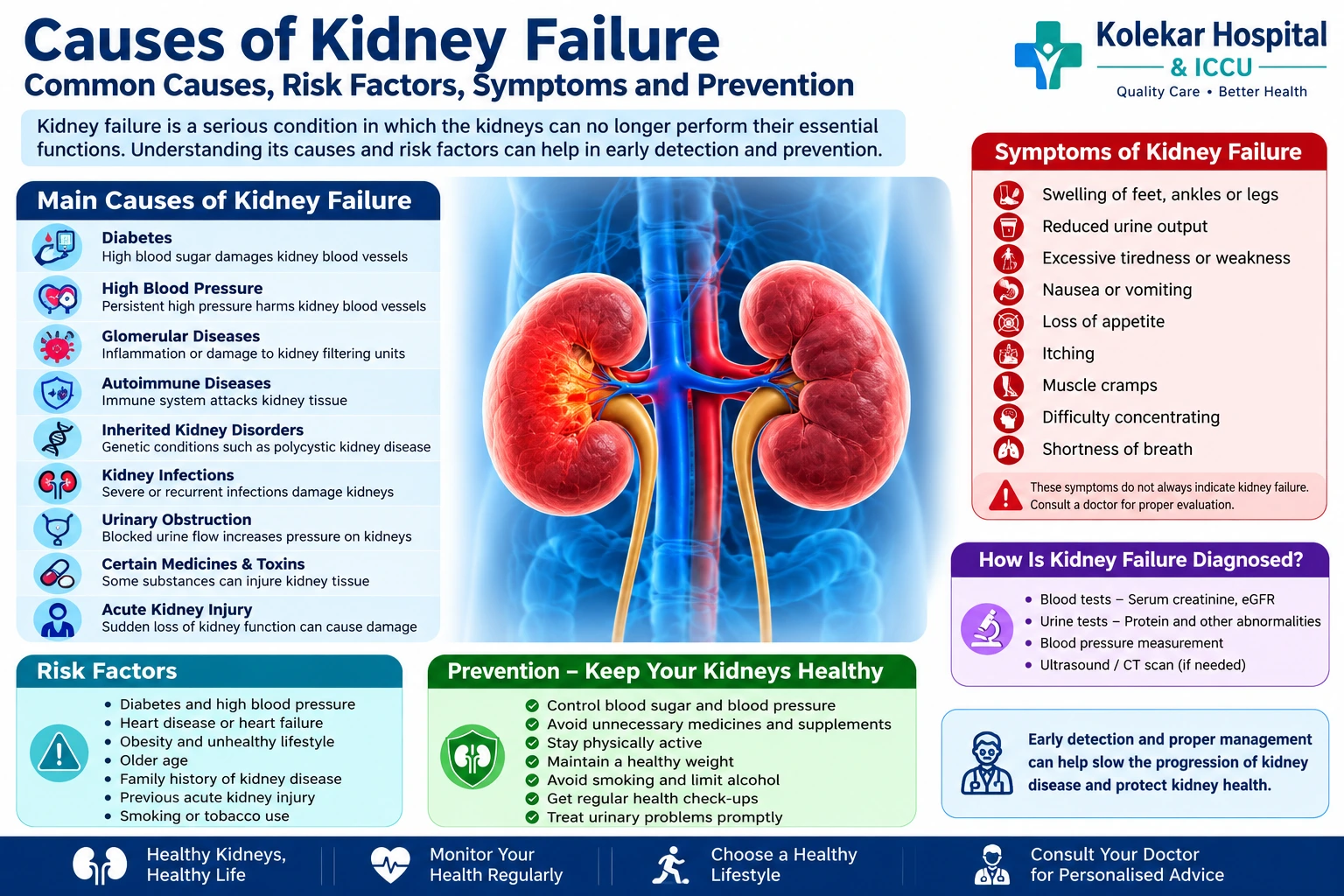
Causes of Kidney Failure: Common Causes, Risk Factors, Symptoms and Prevention

Kidney failure is a serious medical condition in which the kidneys can no longer perform their essential functions adequately. Healthy kidneys filter waste products and excess fluid from the blood, maintain the body’s electrolyte and mineral balance, help regulate blood pressure, support red blood cell production and contribute to healthy bones.

Kidney failure can develop gradually over several years because of chronic kidney disease, or it can occur suddenly as a result of acute kidney injury. Understanding the causes of kidney failure is important because many of the conditions that damage the kidneys can be detected and managed before permanent kidney damage occurs.

The two most common causes of chronic kidney disease and kidney failure are diabetes and high blood pressure. However, several other conditions, including autoimmune diseases, inherited kidney disorders, infections, urinary tract obstruction, certain medications and toxins, can also cause progressive kidney damage.

What Is Kidney Failure?

Kidney failure occurs when kidney function becomes severely reduced and the kidneys are unable to adequately remove waste, control fluid levels and maintain the body’s internal chemical balance.

Kidney failure may develop through:

  • Chronic kidney disease (CKD): A gradual decline in kidney function over months or years.
  • Acute kidney injury (AKI): A sudden decrease in kidney function that can occur over hours or days.
  • Acute kidney injury on chronic kidney disease: A sudden deterioration in someone who already has chronic kidney damage.

Kidney failure is generally associated with kidney function falling to a very low level. The National Institute of Diabetes and Digestive and Kidney Diseases (NIDDK) describes kidney failure as kidney function below approximately 15% of normal.

When kidney function becomes severely impaired, waste products and excess fluid can accumulate in the body. Depending on the severity and cause, treatment may include medicines, dietary changes, dialysis or kidney transplantation.

What Are the Main Causes of Kidney Failure?

The causes of kidney failure can be broadly divided into diseases that gradually damage the kidneys and conditions that cause sudden kidney injury.

CauseHow It Can Damage the Kidneys
DiabetesHigh blood sugar can damage kidney blood vessels and filtering units
High blood pressurePersistent pressure damages kidney blood vessels and filtration structures
Glomerular diseasesInflammation or damage affects the kidney’s filtering units
Autoimmune diseasesThe immune system can attack kidney tissue
Polycystic kidney diseaseGenetic cysts progressively damage normal kidney tissue
Kidney infectionsSevere or recurrent infections may cause kidney damage
Urinary obstructionBlocked urine flow can increase pressure and damage the kidneys
Kidney stonesRepeated obstruction or complications can affect kidney function
Certain medicines and toxinsSome substances can directly injure kidney tissue
Acute kidney injurySudden loss of kidney function can sometimes result in permanent damage

1. Diabetes Is a Major Cause of Kidney Failure

Diabetes is one of the most important causes of chronic kidney disease and kidney failure. Persistently high blood glucose can damage the small blood vessels and filtering structures within the kidneys.

The kidneys contain millions of microscopic filtering units called nephrons. Over time, elevated blood sugar can damage these structures, allowing proteins such as albumin to leak into the urine while reducing the kidneys’ ability to filter waste effectively.

This condition is commonly referred to as diabetic kidney disease.

People with diabetes may not experience obvious kidney symptoms in the early stages. This makes regular monitoring particularly important.

Diabetes-related kidney damage can be reduced by:

  • Maintaining blood glucose within the target range recommended by a doctor
  • Monitoring blood pressure
  • Taking prescribed medicines consistently
  • Getting regular kidney function and urine tests
  • Following an appropriate diet
  • Maintaining a healthy weight
  • Avoiding tobacco products

Early detection is important because kidney damage may progress silently before noticeable symptoms develop.

2. High Blood Pressure and Kidney Failure

High blood pressure, or hypertension, is another leading cause of kidney damage.

Blood vessels inside the kidneys are delicate and designed to filter large volumes of blood. Persistently elevated blood pressure can damage these blood vessels and impair the kidney’s filtration system. As kidney function declines, the kidneys may also become less effective at controlling blood pressure, creating a cycle in which hypertension and kidney disease can worsen each other.

Uncontrolled hypertension over many years can therefore contribute to chronic kidney disease and eventually kidney failure.

People with high blood pressure should follow their doctor’s recommendations regarding:

  • Regular blood pressure monitoring
  • Prescribed antihypertensive medicines
  • Limiting excessive salt intake
  • Maintaining a healthy weight
  • Regular physical activity
  • Managing diabetes and cholesterol
  • Avoiding smoking

3. Glomerular Diseases

The glomeruli are tiny filtering structures within the kidneys. Diseases that damage these structures are collectively known as glomerular diseases.

Examples include:

  • Glomerulonephritis
  • IgA nephropathy
  • Membranous nephropathy
  • Focal segmental glomerulosclerosis
  • IgA vasculitis

Inflammation or structural damage to the glomeruli can cause blood or protein to appear in the urine and gradually reduce kidney function. Some glomerular diseases develop because of immune-system abnormalities, while others may be associated with infections or other medical conditions.

If left untreated or if severe, some of these conditions can progress to advanced kidney disease.

4. Autoimmune Diseases

Autoimmune diseases can also be among the causes of kidney failure.

In autoimmune disorders, the immune system mistakenly attacks the body’s own tissues. One important example is lupus nephritis, in which systemic lupus erythematosus affects the kidneys.

Other immune-mediated diseases can also affect the kidney’s filtering structures.

Patients with autoimmune disease may require regular monitoring of:

  • Blood pressure
  • Serum creatinine and estimated glomerular filtration rate (eGFR)
  • Urine protein
  • Urine blood
  • Other disease-specific markers

Early treatment of kidney involvement may help slow the progression of kidney damage.

5. Polycystic Kidney Disease and Other Inherited Conditions

Some kidney diseases are caused by genetic changes that can be inherited within families.

Polycystic kidney disease (PKD) is one of the better-known inherited kidney disorders. It causes multiple cysts to develop in the kidneys. Over time, these cysts can enlarge and interfere with normal kidney tissue.

Other inherited disorders can also impair kidney function.

A family history of kidney disease or kidney failure can increase a person’s risk. People with a strong family history should discuss appropriate screening with a healthcare professional.

6. Kidney Infections and Recurrent Urinary Tract Infections

A urinary tract infection (UTI) usually affects the bladder or lower urinary tract. However, an infection can sometimes spread to the kidneys and cause pyelonephritis, or kidney infection.

Repeated, severe or inadequately treated kidney infections can potentially cause scarring and long-term kidney damage.

The risk can be particularly important in people who have:

  • Urinary tract abnormalities
  • Kidney stones
  • Urinary obstruction
  • Conditions affecting bladder emptying
  • Recurrent infections

Persistent symptoms such as fever, chills, painful urination or pain in the side or back should be medically evaluated rather than repeatedly self-treated.

7. Kidney Stones and Urinary Tract Obstruction

Kidney stones can sometimes block the normal flow of urine. Other causes of urinary obstruction include:

  • Enlarged prostate
  • Tumours
  • Ureteral narrowing or scarring
  • Congenital urinary tract abnormalities
  • Severe urinary retention
  • Large or obstructing stones

When urine cannot flow normally, pressure can build up within the urinary system. Prolonged obstruction can damage the kidneys and may contribute to loss of kidney function.

This is why persistent urinary difficulty, reduced urine output or recurrent urinary obstruction should not be ignored.

8. Acute Kidney Injury

Not all kidney failure develops slowly. Acute kidney injury (AKI) is a sudden reduction in kidney function that can develop over a short period.

AKI may occur because of:

  • Severe dehydration
  • Major blood loss
  • Very low blood pressure
  • Severe infections or sepsis
  • Certain medicines
  • Exposure to kidney-toxic substances
  • Severe illness
  • Urinary obstruction
  • Major surgery or trauma

NIDDK notes that AKI can result from conditions such as sepsis, decreased blood pressure and kidney injury caused by drugs or toxins.

Some people recover substantially after AKI, particularly when the underlying cause is identified and treated promptly. However, severe AKI can sometimes result in persistent kidney damage or increase the risk of developing chronic kidney disease.

9. Certain Medicines and Toxic Substances

Some medicines can affect kidney function, particularly when used inappropriately, at excessive doses or in people who already have kidney problems.

Examples may include certain:

  • Pain-relieving medicines
  • Antibiotics
  • Chemotherapy medicines
  • Other medicines that can be nephrotoxic in particular circumstances

The National Kidney Foundation also identifies excessive use of non-steroidal anti-inflammatory drugs (NSAIDs), certain drugs, contrast substances and environmental toxins among potential contributors to kidney damage.

This does not mean patients should stop prescribed medicines on their own. Instead, people with kidney disease should tell their doctor about all prescription medicines, over-the-counter medicines and supplements they use.

10. Severe Infections and Other Serious Medical Conditions

Severe systemic infections can cause widespread inflammation, low blood pressure and reduced blood flow to the kidneys. This may result in acute kidney injury.

Conditions such as haemolytic uremic syndrome (HUS) and thrombotic thrombocytopenic purpura (TTP) can also affect kidney function. Certain cancers and blood-related conditions, including multiple myeloma, may contribute to chronic kidney disease in some patients.

These conditions require specialised medical evaluation because the appropriate treatment depends on the underlying cause.

Risk Factors That Can Increase the Chance of Kidney Failure

Having a risk factor does not necessarily mean that a person will develop kidney failure. However, several factors can increase the likelihood of kidney disease.

Common risk factors include:

  • Diabetes
  • High blood pressure
  • Heart disease or heart failure
  • Obesity
  • Older age
  • Family history of kidney disease or kidney failure
  • Previous acute kidney injury
  • Smoking or tobacco use
  • Certain inherited disorders
  • Recurrent urinary tract problems
  • Long-term exposure to kidney-toxic medicines or substances

Diabetes and hypertension remain the most important common causes of chronic kidney disease.

What Are the Symptoms of Kidney Failure?

Kidney disease can be difficult to recognise in its early stages because symptoms may be absent or nonspecific.

As kidney function becomes severely impaired, symptoms may include:

  • Swelling of the feet, ankles or legs
  • Reduced urine output
  • Excessive tiredness or weakness
  • Nausea or vomiting
  • Loss of appetite
  • Itching
  • Muscle cramps
  • Difficulty concentrating
  • Sleep problems
  • Shortness of breath
  • Changes in urination

These symptoms do not necessarily mean that a person has kidney failure. They can occur with several other medical conditions, so proper evaluation is important.

How Is Kidney Failure Diagnosed?

Doctors use a combination of medical history, physical examination, blood tests, urine tests and, when required, imaging studies.

Common investigations include:

TestWhat It Helps Assess
Serum creatinineKidney filtration and overall kidney function
eGFREstimated level of kidney filtration
Urine albumin-creatinine ratioProtein leakage through the kidneys
UrinalysisBlood, protein and other abnormalities in urine
Blood pressure measurementIdentifies an important kidney disease risk factor
Ultrasound/CT or other imagingMay identify obstruction, stones or structural abnormalities

The National Kidney Foundation identifies eGFR and urine albumin-creatinine ratio as important tests for assessing kidney health.

Can Kidney Failure Be Prevented?

Not every case of kidney failure can be prevented, particularly when it results from inherited or unavoidable medical conditions. However, many important risk factors can be controlled.

Steps that can support kidney health include:

  1. Control blood sugar: People with diabetes should follow their treatment plan and monitor glucose as recommended.
  2. Control blood pressure: Regular monitoring and appropriate treatment can reduce kidney damage.
  3. Avoid unnecessary medicines: Do not regularly take painkillers or supplements without discussing their safety with a healthcare professional.
  4. Stay physically active: Regular exercise supports cardiovascular and metabolic health.
  5. Maintain a healthy weight: Obesity is associated with increased kidney disease risk.
  6. Avoid smoking: Tobacco use can adversely affect blood vessels and overall kidney health.
  7. Get regular check-ups: People at higher risk should discuss kidney screening with their doctor.
  8. Treat urinary problems promptly: Recurrent infections, stones or difficulty passing urine should be evaluated.
  9. Follow medical advice after acute kidney injury: Previous AKI can increase the risk of future chronic kidney disease.

When Should You See a Kidney Specialist?

You should consider medical evaluation if you have persistent changes in urination, unexplained swelling, blood or protein in the urine, consistently high blood pressure, abnormal kidney function tests or a history of conditions that can damage the kidneys.

People with diabetes, hypertension, cardiovascular disease, a family history of kidney failure or previous acute kidney injury may also benefit from regular kidney function monitoring.

Early assessment is particularly important because kidney disease can progress without obvious symptoms.

Frequently Asked Questions About the Causes of Kidney Failure

What are the most common causes of kidney failure?

The two major causes are diabetes and high blood pressure. Other causes include glomerular diseases, autoimmune disorders, inherited kidney diseases, infections, urinary obstruction, kidney stones, certain medicines and acute kidney injury.

Can high blood pressure cause kidney failure?

Yes. Long-standing, poorly controlled high blood pressure can damage the blood vessels and filtering structures of the kidneys. Kidney disease can also worsen blood pressure, creating a cycle of progressive damage.

Can diabetes lead to kidney failure?

Yes. Persistently high blood sugar can damage the kidney’s filtering system. Over time, this can result in diabetic kidney disease and, in severe cases, kidney failure.

Can kidney failure happen suddenly?

Yes. A sudden decline in kidney function is called acute kidney injury. Severe dehydration, low blood pressure, sepsis, certain medicines, toxins and urinary obstruction are among the potential causes.

Can kidney failure be reversed?

It depends on the cause. Some cases of acute kidney injury can improve substantially when the underlying problem is treated promptly. Advanced chronic kidney failure generally represents permanent loss of kidney function and may require long-term kidney replacement treatment such as dialysis or transplantation.

Can kidney failure occur without symptoms?

Yes. Chronic kidney disease can remain unnoticed for a long time. This is one reason why people with diabetes, high blood pressure and other risk factors should undergo appropriate kidney health checks.

Conclusion

Understanding the causes of kidney failure is an important part of protecting long-term kidney health. Diabetes and high blood pressure are the leading causes, but kidney failure can also result from glomerular diseases, autoimmune conditions, inherited disorders, infections, urinary obstruction, kidney stones, certain medications and acute kidney injury.

Because kidney disease can progress silently, early detection is essential. Regular monitoring of blood pressure, blood sugar, kidney function and urine abnormalities can help identify problems before significant kidney damage occurs.

If you have diabetes, hypertension, recurrent urinary problems, a family history of kidney disease or abnormal kidney test results, speak with a qualified healthcare professional about appropriate evaluation and follow-up.

Kolekar Hospital provides comprehensive medical care and evaluation for patients with kidney and other health concerns. Timely medical assessment can help identify the underlying cause of kidney problems and guide appropriate treatment.

Contact Details:

Kolekar Hospital & ICCU

Multispeciality Hospital in Chembur

Address: 2nd Floor, Omprakash Arcade, Approach to Ambedkar Garden Bus Stop Chembur Gaothan, Chembur 2nd & 3rd floor Omprakash Arcade, at Ambedkar garden, Chembur, Mumbai, Maharashtra 400071 

Phone: 02235083100

Website: kolekarhospital.com

Loading

Uncategorized

Understanding the Difference Between Angiography and Angioplasty

Cardiovascular diseases remain a leading cause of morbidity and mortality worldwide. Among the diagnostic and therapeutic procedures employed in cardiology, angiography and angioplasty are frequently utilised. While they are interrelated, understanding the difference between angiography and angioplasty is crucial for patients and caregivers alike.

What is Angiography?

Angiography is a diagnostic imaging technique used to visualise the inside of blood vessels and organs, particularly the arteries, veins, and heart chambers. It helps in identifying blockages, abnormalities, or other vascular conditions.

Procedure:

  1. Preparation: The patient is advised to fast for several hours before the procedure.
  2. Catheter Insertion: A thin, flexible tube called a catheter is inserted into a blood vessel, usually in the groin or arm.
  3. Contrast Dye Injection: A contrast dye is injected through the catheter to make the blood vessels visible on X-ray images.
  4. Imaging: X-ray images are taken to assess the blood flow and identify any blockages or abnormalities. verywellhealth.com

Uses:

  • Detecting coronary artery disease.
  • Evaluating blood flow to organs.
  • Identifying aneurysms or vascular malformations.
  • Planning for surgical interventions.

What is Angioplasty?

Angioplasty, also known as percutaneous transluminal angioplasty, is a minimally invasive procedure used to open narrowed or blocked blood vessels, especially coronary arteries. It often follows an angiography if a blockage is detected.

Procedure:

  1. Preparation: Similar to angiography, fasting is required.
  2. Catheter Insertion: A catheter with a deflated balloon at its tip is inserted into the affected artery.
  3. Balloon Inflation: The balloon is inflated at the site of the blockage, compressing the plaque against the artery wall.
  4. Stent Placement: Often, a stent (a small wire mesh tube) is placed to keep the artery open.
  5. Balloon Deflation and Removal: The balloon is deflated and removed, leaving the stent in place. addmoretolives.com+17medicalnewstoday.com+17healthline.com+17verywellhealth.com

Uses:

  • Treating coronary artery disease.
  • Relieving symptoms like chest pain (angina).
  • Reducing heart muscle damage during or after a heart attack.
  • Improving blood flow to the heart, verywellhealth.com

Key Differences Between Angiography and Angioplasty

Understanding the difference between angiography and angioplasty is essential:

AspectAngiographyAngioplasty
PurposeDiagnostic – to visualize blood vesselsTherapeutic – to open narrowed or blocked arteries
Procedure TypeImaging techniqueInterventional procedure
Use of Contrast DyeYesYes
Use of Balloon/StentNoYes
DurationApproximately 30 minutes1 to 2 hours
Hospital StayUsually outpatient or short stayMay require overnight stay
Recovery TimeShort, minimal restrictionsLonger, with activity limitations for a few days
Difference Between Angiography and Angioplasty

Indian Diet Chart After Angioplasty

Post-angioplasty care is vital for recovery and preventing future cardiac events. A heart-healthy diet plays a significant role. Here’s an Indian diet chart after angioplasty to guide patients: sahyadrihospital.com

Early Morning (6:30 AM – 7:00 AM):

  1. Warm water with lemon juice.
  2. A handful of soaked almonds or walnuts.

Breakfast (8:00 AM – 9:00 AM):

  • Oats porridge with skimmed milk.
  • Whole grain toast with low-fat paneer.
  • Fresh fruit like papaya or apple.

Mid-Morning Snack (11:00 AM):

Lunch (1:00 PM – 2:00 PM):

  • Brown rice or whole wheat roti.
  • Mixed vegetable curry with minimal oil.
  • Green salad with olive oil dressing.
  • Low-fat curd. bpincontrol.in

Evening Snack (4:00 PM – 5:00 PM):

  • Green tea or herbal tea.
  • Roasted chana or a handful of nuts.

Dinner (7:00 PM – 8:00 PM):

  • Vegetable soup.
  • Grilled fish or tofu.
  • Steamed vegetables.
  • Whole wheat roti.

Bedtime (9:00 PM – 10:00 PM):

  • A glass of warm skimmed milk.

This Indian diet chart after angioplasty emphasises low-fat, high-fibre foods rich in antioxidants, aiding in heart health and recovery.

Life Expectancy After Angioplasty

A common concern among patients is the life expectancy after angioplasty. While angioplasty improves blood flow and reduces symptoms, long-term outcomes depend on various factors:

  • Lifestyle Changes: Adopting a healthy lifestyle, including regular exercise, a balanced diet, and stress management, can significantly improve longevity.
  • Medication Adherence: Taking prescribed medications to manage cholesterol, blood pressure, and other conditions is crucial.
  • Regular Follow-ups: Routine check-ups help monitor heart health and detect any issues early.
  • Managing Comorbidities: Controlling diabetes, hypertension, and other related conditions is essential.

Studies suggest that with proper care, patients can lead a normal life span post-angioplasty. However, neglecting lifestyle modifications and medical advice can increase the risk of recurrent cardiac events.

Frequently Asked Questions (FAQs)

Q1: Can angiography and angioplasty be performed simultaneously?

Yes, if a blockage is detected during angiography, angioplasty can be performed immediately to restore blood flow.

Q2: Is angioplasty a permanent solution?

Angioplasty addresses current blockages but doesn’t prevent new ones. Lifestyle changes and medication are essential to prevent future issues.

Q3: Are there risks associated with angioplasty?

Like any procedure, angioplasty carries risks such as bleeding, infection, or re-narrowing of the artery. However, it’s generally safe and effective.

Q4: How soon can one resume normal activities post-angioplasty?

Most patients can return to regular activities within a week, but it’s essential to follow the doctor’s advice.

Q5: How often should one undergo angiography?

Angiography is performed based on symptoms and the doctor’s recommendations. Routine check-ups and non-invasive tests often suffice for monitoring.

If you or a loved one is experiencing symptoms of heart disease, don’t delay. Trust Kolekar Hospital for reliable and compassionate Angioplasty Surgery in Chembur.

Loading

Uncategorized

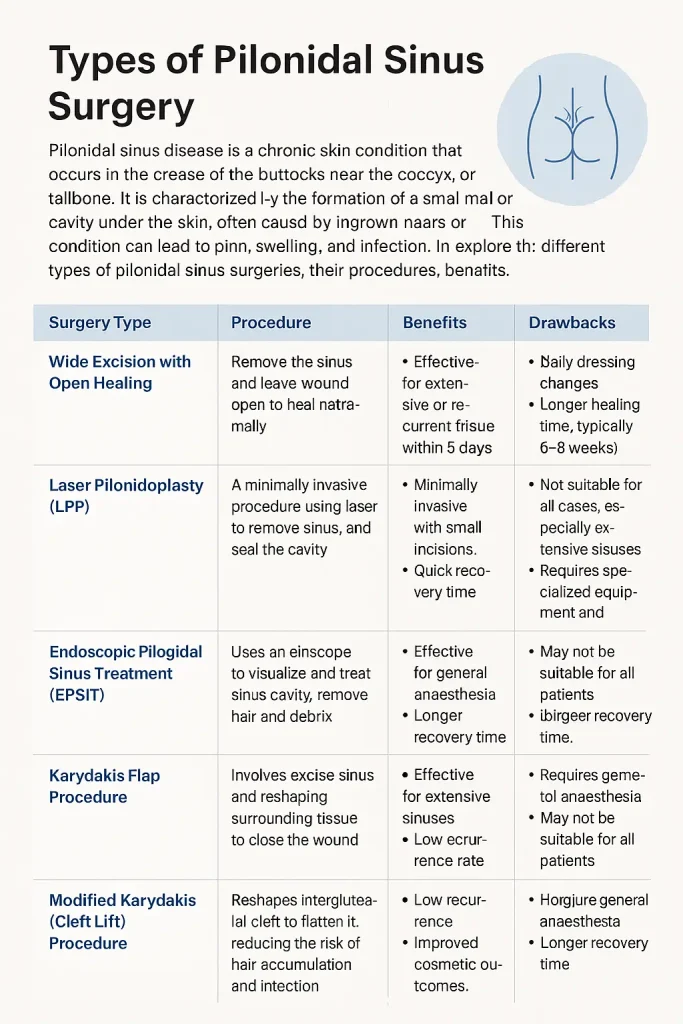
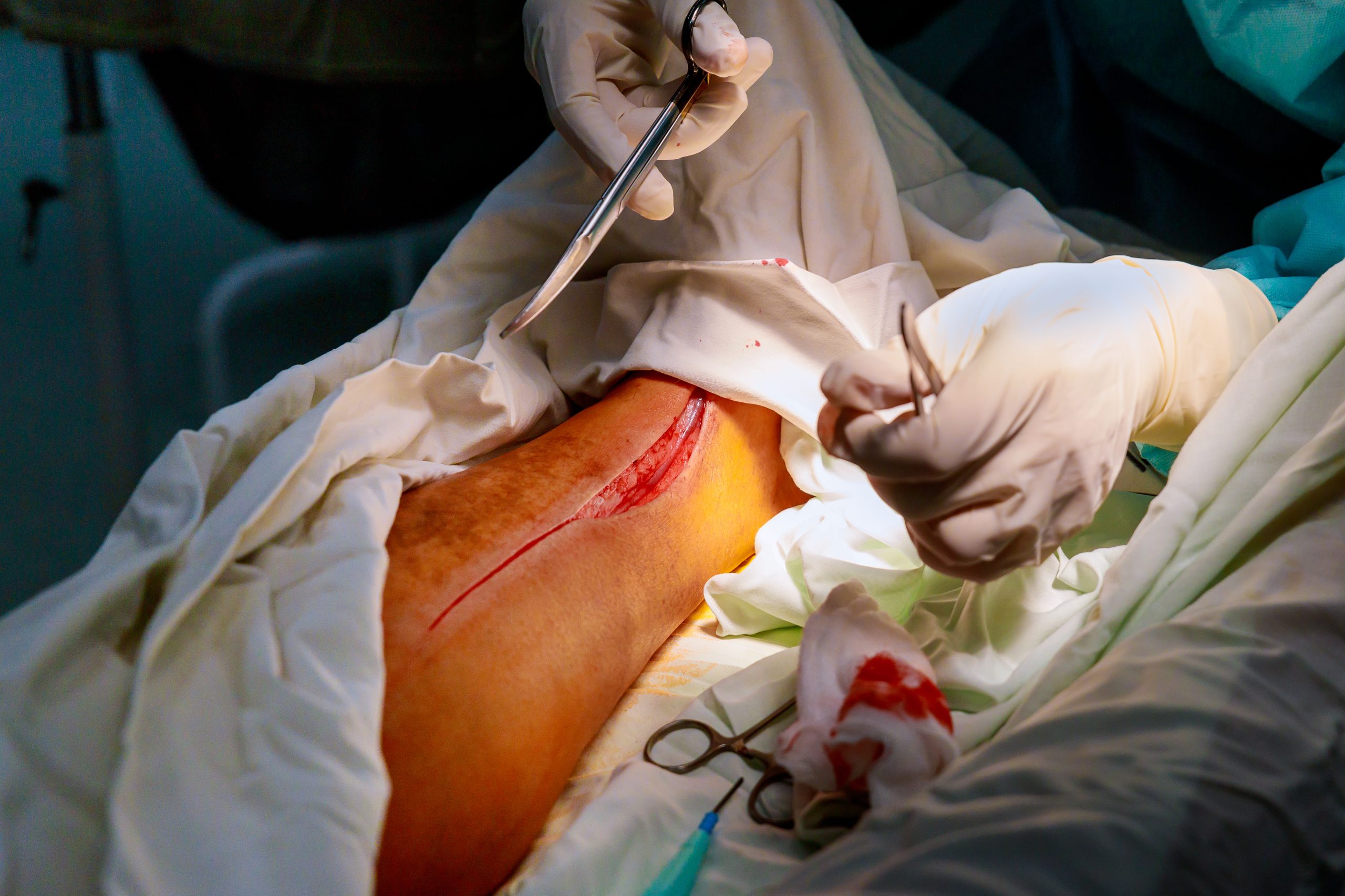
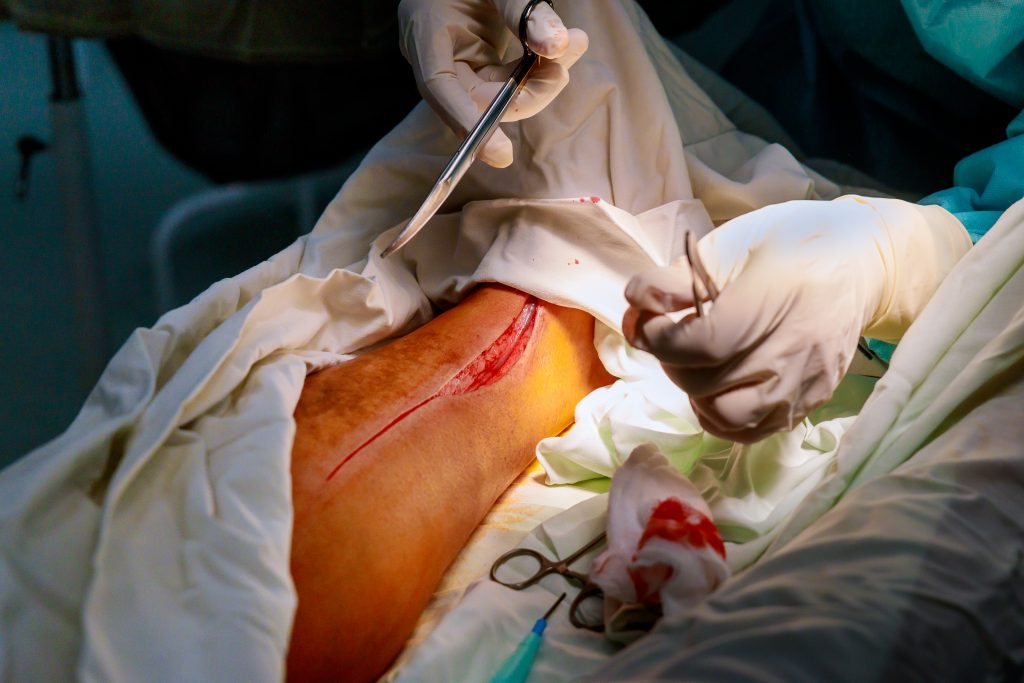
Pilonidal Sinus Surgery Types: Comprehensive Guide

Introduction

Pilonidal sinus disease is a chronic skin condition that occurs in the crease of the buttocks near the coccyx, or tailbone. It is characterised by the formation of a small tunnel or cavity under the skin, often caused by ingrown hairs or friction. This condition can lead to pain, swelling, and infection. Treatment for pilonidal sinus disease varies depending on the severity and recurrence of the condition. Surgical intervention is often necessary to alleviate symptoms and prevent further complications. In this comprehensive guide, we will explore the different types of pilonidal sinus surgeries, their procedures, benefits, and recovery times.

Types of Pilonidal Sinus Surgery

1. Wide Excision with Open Healing

Procedure:
The surgeon removes the pilonidal sinus along with the surrounding tissue, leaving the wound open to heal naturally.

Benefits:

  • Effective for extensive or recurrent sinusitis.
  • Allows for complete removal of infected tissue.

Drawbacks:

  • Requires daily dressing changes.
  • Longer healing time, typically 6–8 weeks.
  • Higher risk of wound infection.

2. Laser Pilonidoplasty (LPP)

Procedure:
A minimally invasive procedure using a laser to remove the sinus tract and seal the cavity.

Benefits:

  • Shorter recovery time, with patients returning to routine activities within 5 days.
  • Minimal scarring.
  • Low recurrence rate.

Drawbacks:

  • Not suitable for all cases, especially extensive sinuses.
  • Requires specialised equipment and expertise.

3. Endoscopic Pilonidal Sinus Treatment (EPSiT)

Procedure:
Utilises an endoscope to visualise and treat the sinus cavity, removing hair and debris.

Benefits:

  • Minimally invasive with small incisions.
  • Quick recovery time.
  • Reduced risk of recurrence.

Drawbacks:

  • Not suitable for large or complex sinuses.
  • Requires specialised equipment and training.

4. Karydakis Flap Procedure

Procedure:
Involves excising the sinus and reshaping the surrounding tissue to close the wound.

Benefits:

  • Low recurrence rate.
  • Reduces tension on the wound.
  • Faster healing compared to wide excision.

Drawbacks:

  • Requires general anaesthesia.
  • It may not be suitable for all patients.

5. Limberg Flap Reconstruction

Procedure:
Removes the sinus and surrounding tissue, followed by the rotation of a rhomboid-shaped flap of skin to cover the wound.

Benefits:

  • Effective for extensive sinuses.
  • Low recurrence rate.
  • Good cosmetic outcomes.

Drawbacks:

  • Requires general anaesthesia.
  • Longer recovery time.

6. Z-Plasty

Procedure:
Involves creating triangular flaps of skin and repositioning them to close the wound.

Benefits:

  • Improves the aesthetic appearance of the scar.
  • Reduces tension on the wound.

Drawbacks:

  • Higher risk of recurrence.
  • Requires general anaesthesia.
  • Longer recovery time.

7. Modified Karydakis (Cleft Lift) Procedure

Procedure:
Reshapes the intergluteal cleft to flatten it, reducing the risk of hair accumulation and infection.

Benefits:

  • Low recurrence rate.
  • Improved cosmetic outcomes.
  • Suitable for patients with deep intergluteal clefts.

Drawbacks:

  • Requires general anaesthesia.
  • Longer recovery time.

Comparison Table of Pilonidal Sinus Surgery Types

Surgery TypeInvasivenessRecovery TimeRecurrence RateBest Suited For
Wide Excision (Open Healing)High6–8 weeksModerateExtensive or infected sinuses
Laser Pilonidoplasty (LPP)Low~5 daysLowSmall, uncomplicated sinuses
Endoscopic Pilonidal Sinus Treatment (EPSiT)Low1–2 weeksLowFirst-time or recurrent simple sinuses
Karydakis Flap ProcedureModerate4–6 weeksVery LowComplex, deep sinuses or recurrences
Limberg Flap ReconstructionHigh6–8 weeksLowLarge, persistent sinuses
Z-PlastyModerate4–6 weeksHighSuperficial sinuses, cosmetic concern
Modified Karydakis (Cleft Lift)Moderate4–6 weeksVery LowDeep natal cleft, multiple recurrences

Factors Influencing the Choice of Pilonidal Sinus Surgery Types

When determining the most appropriate surgical intervention for pilonidal sinus disease, several factors come into play:

1. Severity of the Condition

  • Extensive or recurrent cases often require more complex flap procedures like Limberg or Karydakis.
  • First-time, mild cases may be managed with laser pilonidoplasty or EPSiT.

2. Presence of Infection or Abscess

  • Acute infections may need to be treated with antibiotics or drainage before surgery.
  • Chronic infected tracts may benefit from complete excision with open healing or flap surgery.

3. Patient’s General Health

  • Minimally invasive procedures are preferred for patients with comorbidities or those unfit for general anaesthesia.

4. Cosmetic Concerns

  • Surgeries like Z-plasty or cleft lift are often chosen for patients who prioritise aesthetic results.

5. Surgeon Expertise and Equipment Availability

  • Techniques like EPSiT and laser pilonidoplasty require advanced tools and specialised training, limiting their availability in some areas.

Postoperative Care and Recovery Tips

Regardless of the pilonidal sinus surgery type chosen, proper postoperative care is crucial for recovery and prevention of recurrence.

Key Recovery Tips:

  • Keep the Area Clean and Dry: Moisture can cause infection or delay healing.
  • Avoid Prolonged Sitting: Especially on hard surfaces; consider using a cushion.
  • Shave or Use Hair Removal Cream: To prevent hair from re-entering the wound.
  • Follow-up Appointments: Ensure the wound is healing properly and catch early signs of recurrence.
  • Wear Loose Clothing: Prevents friction and allows for better airflow.

Risks and Complications

All types of pilonidal sinus surgery come with potential risks. These may include:

  • Infection: More common with open wound healing.
  • Bleeding: Especially in more invasive procedures.
  • Wound Breakdown or Dehiscence: Poor wound closure can lead to delayed healing.
  • Recurrence: Depending on the surgical method, recurrence rates vary from 3% to over 30%.

Note: Recurrence is most effectively minimised with proper hygiene and surgical techniques that flatten or off-midline the gluteal cleft.

Latest Advances in Pilonidal Sinus Surgery Types

Recent years have seen innovations in the surgical treatment of pilonidal sinus, focusing on:

  • Minimally Invasive Techniques: EPSiT and laser treatments offer quicker recovery and better patient satisfaction.
  • Outpatient Surgeries: Many procedures can now be done under local anaesthesia with same-day discharge.
  • Biodegradable Implants: Used to promote wound healing and reduce the need for dressing changes.

These advances aim to enhance patient outcomes and reduce the emotional and physical toll of long recoveries.

Pilonidal Sinus Surgery Types: When to See a Specialist

It’s essential to consult a colorectal or general surgeon when:

  • Symptoms like pain, redness, and pus persist or worsen.
  • Over-the-counter remedies and antibiotics do not help.
  • There are signs of recurrence after previous surgery.
  • The condition interferes with daily life, work, or physical activity.

Getting early medical advice ensures a broader choice of treatment options, including minimally invasive ones.

Frequently Asked Questions (FAQs)

1. What is the most effective type of pilonidal sinus surgery?

The Karydakis and Limberg flap procedures have the lowest recurrence rates and are highly effective for complex or recurrent cases.

2. Is pilonidal sinus surgery painful?

Pain levels vary. Minimally invasive methods like EPSiT and laser pilonidoplasty result in much less discomfort compared to wide excision.

3. How long does it take to recover from pilonidal sinus surgery?

Recovery can range from 5 days (laser) to 8 weeks (wide excision), depending on the method used.

4. Can a pilonidal sinus return after surgery?

Yes, but recurrence can be minimised through effective surgery, good hygiene, and hair removal practices.

5. Are there non-surgical treatments for pilonidal sinus?

While some acute cases can be managed temporarily with antibiotics or drainage, surgery is the only definitive cure for chronic or recurrent pilonidal disease.

Conclusion

Choosing the right pilonidal sinus surgery type is crucial for long-term relief and reduced recurrence. From traditional wide excision to advanced minimally invasive options like laser pilonidoplasty and EPSiT, each method offers distinct benefits depending on the severity of the condition and patient needs.

For those located in or near Mumbai, effective and personalised Pilonidal Sinus Treatment in Chembur is available at Kolekar Hospital. Our experienced surgical team specialises in modern techniques, ensuring minimal downtime, precise care, and a focus on recurrence prevention.

Loading

Uncategorized

Hernia Surgery Hospital in Chembur: Advanced Treatment for Quick Recovery

Hernia Surgery Hospital in Chembur: Advanced Treatment for Quick Recovery

Introduction

Hernias can cause significant discomfort and, if left untreated, may lead to more serious complications. For those living in Chembur and seeking hernia surgery, it’s important to choose a hospital with expertise in advanced surgical techniques and a commitment to providing quick recovery. Our hospital offers state-of-the-art hernia treatments, ensuring that patients receive the best care possible.

In this article, we will discuss the types of hernias, the surgery options available, and the benefits of choosing our hospital for hernia surgery in Chembur.

What is a Hernia?

A hernia occurs when an organ, typically part of the intestine, protrudes through a weak spot or opening in the surrounding muscle or tissue. Common types of hernias include:

  • Inguinal Hernia: Occurs in the lower abdomen or groin area.
  • Hiatal Hernia: Occurs when part of the stomach pushes up through the diaphragm.
  • Umbilical Hernia: Occurs around the belly button area.
  • Incisional Hernia: Occurs at the site of a previous surgical incision.

Hernias can cause pain, swelling, and other discomforts. While some may not cause immediate symptoms, it’s essential to seek medical attention before complications arise.

Why is Hernia Surgery Necessary?

While some hernias may be managed with lifestyle changes or medications, surgery is the most effective solution, especially when the hernia is painful, growing in size, or causing other complications such as obstruction or strangulation. Hernia surgery aims to push the protruding organ back into place and strengthen the surrounding muscle or tissue to prevent recurrence.

Types of Hernia Surgery

At our hospital in Chembur, we offer several advanced hernia surgery techniques:

  1. Open Hernia Surgery:
    • The traditional approach involves making a small incision near the hernia to repair the defect. This method is effective and often used for larger hernias.
  2. Laparoscopic (Minimally Invasive) Surgery:
    • Laparoscopic surgery uses small incisions and a camera to repair the hernia. This method reduces recovery time, pain, and scarring compared to open surgery.
  3. Robotic-Assisted Hernia Surgery:
    • Our hospital uses advanced robotic technology to perform highly precise hernia repairs. Robotic surgery offers the benefits of minimally invasive techniques, with enhanced accuracy and faster recovery.
Hernia Surgery Hospital in Chembur

Benefits of Choosing Our Hospital for Hernia Surgery in Chembur

Our hospital is equipped with advanced technology and staffed by experienced surgeons who specialize in hernia treatment. Here’s why we are the preferred choice for hernia surgery in Chembur:

  • Expert Surgeons: Our skilled surgeons have years of experience performing both open and minimally invasive hernia surgeries.
  • State-of-the-Art Facilities: We use the latest equipment and surgical techniques to ensure the best possible outcomes for our patients.
  • Quick Recovery: Thanks to our minimally invasive approach, patients can expect a faster recovery with less pain and a shorter hospital stay.
  • Comprehensive Care: From initial consultation to post-operative care, we provide continuous support to ensure your full recovery.

Conclusion

Hernia surgery in Chembur is made easier and more effective at our hospital. With advanced surgical options, expert care, and a focus on quick recovery, we are committed to helping patients regain their health and comfort. If you are experiencing hernia symptoms, don’t delay—contact our hospital to schedule a consultation and take the first step towards healing.

Loading