
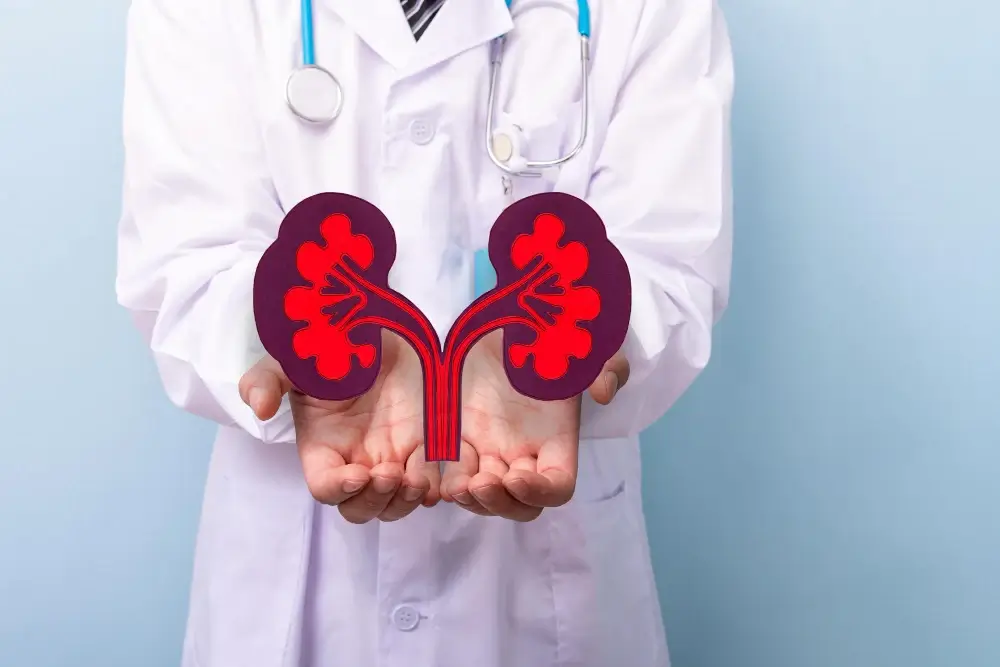
Kidney Stone Blood in Urine Causes, CT Scan & Treatment
| in Chembur
Kidney stone blood in urine is often one of the earliest warning signs of a urinary problem. Seeing red or pink urine can be alarming, especially when it appears suddenly or with pain. In many cases, kidney stones are responsible, but infections and other conditions may also be involved.
Understanding the cause and getting the right diagnosis, such as a CT scan, can help prevent complications and ensure proper treatment.
What Does Blood in Urine Mean?
Blood in urine, also known as hematuria, occurs when red blood cells mix with urine due to irritation, infection, or injury in the urinary tract. It can be visible or detected only through lab tests.
A common question people ask is: Can kidney stones cause blood in urine?
Yes, they can. When a stone moves, it may scratch the lining of the urinary tract, leading to bleeding. However, other causes are also possible, which is why proper diagnosis is important.
Causes of Blood in Urine
There are several reasons why blood may appear in urine. While kidney stones are one of the most common causes, other conditions should also be considered.
Common Causes Include
- Kidney stones – cause pain and internal injury
- Urinary tract infections (UTIs) – often linked with white blood cells in urine
- Kidney infections – may include fever and fatigue
- Bladder inflammation or irritation
- Strenuous activity or minor injury
Identifying the exact cause is essential for choosing the right treatment.
Symptoms of Kidney Stones
Kidney stones can cause intense discomfort and noticeable symptoms. The pain is often sharp and may come in waves, especially as the stone moves.
Key Symptoms
- Severe pain in the lower back or side
- Burning sensation while urinating
- Blood in urine (pink, red, or brown)
- Frequent urge to urinate
- Nausea or vomiting
If these symptoms occur together, kidney stones are a likely cause.
White Blood Cells in Urine – What Does It Indicate?
The presence of white blood cells in urine usually suggests infection or inflammation in the urinary tract. This is commonly seen in urinary tract infections, but can also occur due to irritation caused by kidney stones.
What It May Indicate
- Urinary tract infection (UTI)
- Inflammation due to kidney stones
- Kidney infection (in severe cases)
Doctors often recommend urine tests along with imaging scans for an accurate diagnosis.
How CT Scan Helps Diagnose Kidney Stones
A CT scan is one of the most reliable methods to detect kidney stones. It provides detailed images of the urinary tract, allowing doctors to accurately identify the problem.
Benefits of CT Scan
- Detects even very small stones
- Shows exact size and location
- Helps rule out other causes of bleeding
- Fast and highly accurate
Because of its precision, CT scans are widely used when symptoms are severe or unclear.
How to Recover from Kidney Stones
Recovery depends on the size and severity of the stone. Smaller stones may pass naturally, while larger ones require medical treatment.
Treatment & Recovery Options
- Hydration: Drinking plenty of water helps flush out stones
- Medications: Reduce pain and help stone passage
- Medical procedures: Laser treatment or shock wave therapy
- Lifestyle changes: Low salt diet and proper hydration
Following these steps can also help prevent recurrence.
Blood in Urine After Sex – Is It Related to Kidney Stones?
Experiencing blood in urine after sex can be concerning, but it is not always serious. It may occur due to temporary irritation, but it can also indicate an underlying issue.
If you’re wondering, can kidney stones cause blood in urine after sex? Yes, they can. Physical activity may trigger movement of a stone, leading to bleeding.
Possible Causes
- Friction or minor injury
- Urinary tract infections
- Presence of white blood cells in urine
- Kidney stones
When to Be Concerned
- Repeated episodes
- Pain or burning sensation
- Fever or discomfort
Medical evaluation is important if symptoms persist.
When Should You Visit a Doctor?
While some mild cases may resolve, certain symptoms should never be ignored. Early diagnosis can prevent complications and ensure faster recovery.
Seek Medical Help If You Have
- Persistent or severe pain
- Visible blood in urine
- Fever or chills
- Difficulty urinating
- Nausea or vomiting with pain
FAQs
Yes, kidney stones can damage the urinary tract lining and cause bleeding.
Not always, but it should always be evaluated by a doctor.
They usually indicate infection or inflammation.
Yes, it is safe and highly accurate when recommended.
Conclusion
Kidney stone blood in urine is a symptom that should not be ignored. While kidney stones are a common cause, proper diagnosis through CT scans helps confirm the issue and guide treatment effectively.
Don’t ignore blood in urine, book a consultation today for accurate diagnosis and timely treatment.
If you are experiencing blood in urine or symptoms of kidney stones, consult a specialist today for an accurate diagnosis and timely treatment.