Heart

Blood in Urine? CT Scan for Kidney Stones Explained

Kidney Stone Blood in Urine Causes, CT Scan & Treatment
| in Chembur

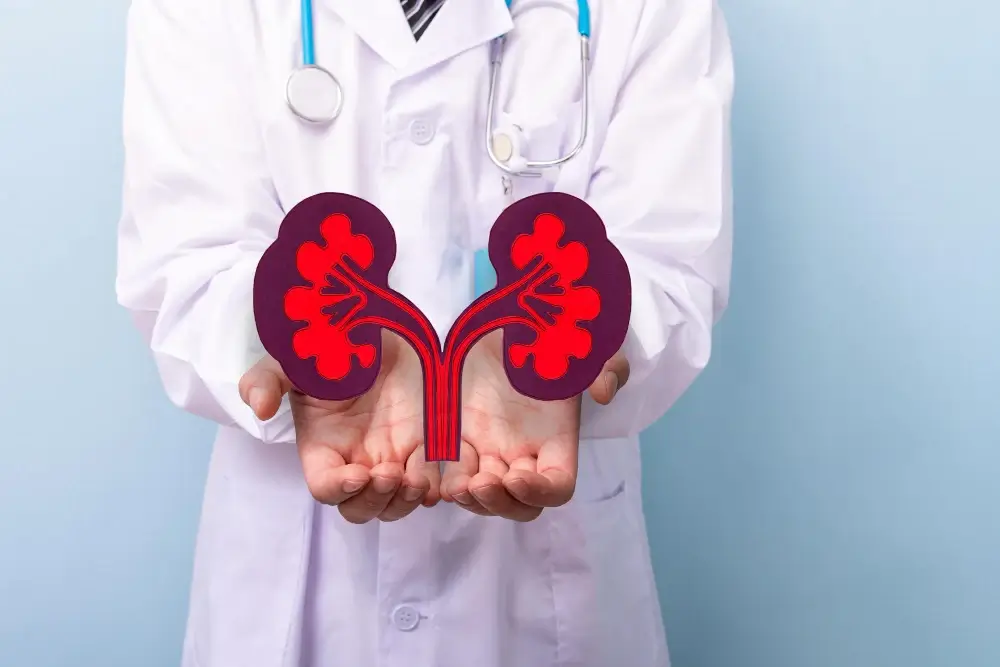
Kidney stone blood in urine is often one of the earliest warning signs of a urinary problem. Seeing red or pink urine can be alarming, especially when it appears suddenly or with pain. In many cases, kidney stones are responsible, but infections and other conditions may also be involved.

Understanding the cause and getting the right diagnosis, such as a CT scan, can help prevent complications and ensure proper treatment.

What Does Blood in Urine Mean?

Blood in urine, also known as hematuria, occurs when red blood cells mix with urine due to irritation, infection, or injury in the urinary tract. It can be visible or detected only through lab tests.

A common question people ask is: Can kidney stones cause blood in urine?
Yes, they can. When a stone moves, it may scratch the lining of the urinary tract, leading to bleeding. However, other causes are also possible, which is why proper diagnosis is important.

Causes of Blood in Urine

There are several reasons why blood may appear in urine. While kidney stones are one of the most common causes, other conditions should also be considered.

Common Causes Include

  • Kidney stones – cause pain and internal injury
  • Urinary tract infections (UTIs) – often linked with white blood cells in urine
  • Kidney infections – may include fever and fatigue
  • Bladder inflammation or irritation
  • Strenuous activity or minor injury

Identifying the exact cause is essential for choosing the right treatment.

Symptoms of Kidney Stones

Kidney stones can cause intense discomfort and noticeable symptoms. The pain is often sharp and may come in waves, especially as the stone moves.

Key Symptoms

  • Severe pain in the lower back or side
  • Burning sensation while urinating
  • Blood in urine (pink, red, or brown)
  • Frequent urge to urinate
  • Nausea or vomiting

If these symptoms occur together, kidney stones are a likely cause.

White Blood Cells in Urine – What Does It Indicate?

The presence of white blood cells in urine usually suggests infection or inflammation in the urinary tract. This is commonly seen in urinary tract infections, but can also occur due to irritation caused by kidney stones.

What It May Indicate

  • Urinary tract infection (UTI)
  • Inflammation due to kidney stones
  • Kidney infection (in severe cases)

Doctors often recommend urine tests along with imaging scans for an accurate diagnosis.

How CT Scan Helps Diagnose Kidney Stones

A CT scan is one of the most reliable methods to detect kidney stones. It provides detailed images of the urinary tract, allowing doctors to accurately identify the problem.

Benefits of CT Scan

  • Detects even very small stones
  • Shows exact size and location
  • Helps rule out other causes of bleeding
  • Fast and highly accurate

Because of its precision, CT scans are widely used when symptoms are severe or unclear.

How to Recover from Kidney Stones

Recovery depends on the size and severity of the stone. Smaller stones may pass naturally, while larger ones require medical treatment.

Treatment & Recovery Options

  • Hydration: Drinking plenty of water helps flush out stones
  • Medications: Reduce pain and help stone passage
  • Medical procedures: Laser treatment or shock wave therapy
  • Lifestyle changes: Low salt diet and proper hydration

Following these steps can also help prevent recurrence.

Blood in Urine After Sex – Is It Related to Kidney Stones?

Experiencing blood in urine after sex can be concerning, but it is not always serious. It may occur due to temporary irritation, but it can also indicate an underlying issue.

If you’re wondering, can kidney stones cause blood in urine after sex?  Yes, they can. Physical activity may trigger movement of a stone, leading to bleeding.

Possible Causes

  • Friction or minor injury
  • Urinary tract infections
  • Presence of white blood cells in urine
  • Kidney stones

When to Be Concerned

  • Repeated episodes
  • Pain or burning sensation
  • Fever or discomfort

Medical evaluation is important if symptoms persist.

When Should You Visit a Doctor?

While some mild cases may resolve, certain symptoms should never be ignored. Early diagnosis can prevent complications and ensure faster recovery.

Seek Medical Help If You Have

  • Persistent or severe pain
  • Visible blood in urine
  • Fever or chills
  • Difficulty urinating
  • Nausea or vomiting with pain

FAQs

Yes, kidney stones can damage the urinary tract lining and cause bleeding.

Not always, but it should always be evaluated by a doctor.

They usually indicate infection or inflammation.

Yes, it is safe and highly accurate when recommended.

Conclusion

Kidney stone blood in urine is a symptom that should not be ignored. While kidney stones are a common cause, proper diagnosis through CT scans helps confirm the issue and guide treatment effectively.

Don’t ignore blood in urine, book a consultation today for accurate diagnosis and timely treatment.

If you are experiencing blood in urine or symptoms of kidney stones, consult a specialist today for an accurate diagnosis and timely treatment.

Loading

Cardiology Heart

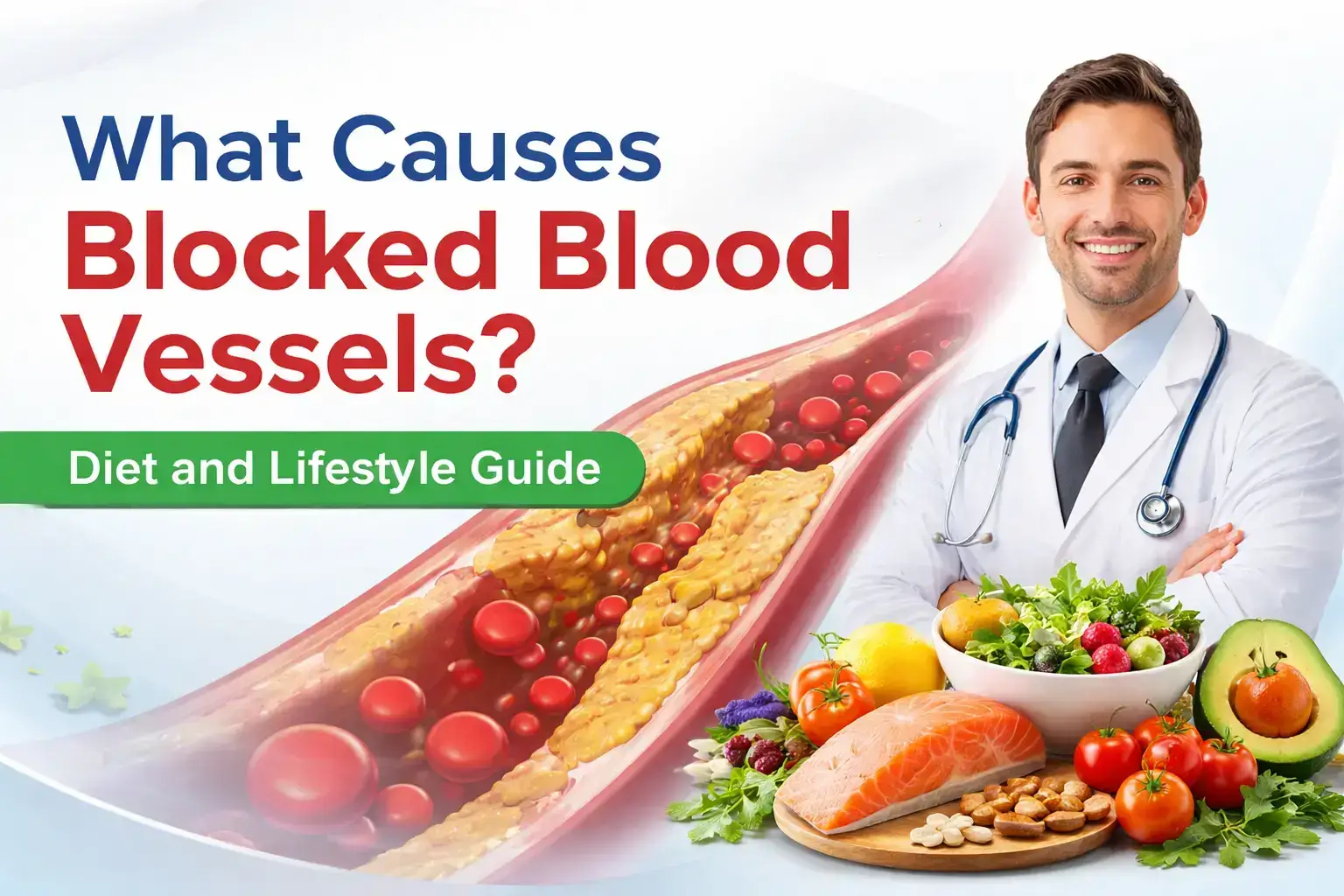
What Causes Blocked Blood Vessels? Diet and Lifestyle Guide

Blocked blood vessels are a common yet often unnoticed health concern that can increase the risk of serious conditions like heart disease and stroke. Many people ignore early signs of blocked blood vessels or are unaware of the lifestyle habits that slowly damage their arteries over time.

Understanding what causes blocked blood vessels and how your daily diet and routine affect them can help you take better control of your heart health. In this blog, we’ll explain the causes, early warning signs, and simple diet and lifestyle changes that can help keep your blood vessels healthy.

What Are Blocked Blood Vessels?

Blocked blood vessels occur when fatty deposits, cholesterol, and other substances build up inside the arteries. This buildup, known as plaque, narrows the blood vessels and restricts smooth blood flow.

Over time, this can reduce oxygen supply to vital organ to vital organs. You can think of it like a water pipe that gets clogged when the flow is restricted the system cannot function properly.

Common Causes of Blocked Blood Vessels

Several everyday habits and health conditions contribute to blocked blood vessels:

1. Unhealthy diet – Frequent intake of fried, oily, and processed foods increases bad cholesterol
2. High cholesterol levels – Lead to plaque buildup in arteries
3. Smoking – Damages blood vessel walls and reduces oxygen supply
4. Lack of physical activity – Slows down metabolism and circulation
5. High blood pressure – Puts extra strain on artery walls
6. Diabetes – Increases the risk of blood vessel damage

These factors often work together, gradually increasing the risk of blocked blood vessels and heart-related problems.

Early Signs of Blocked Blood Vessels You Should Not Ignore

Blocked blood vessels may not show symptoms early, but as the condition progresses, you may notice:

Chest discomfort or pain
Shortness of breath
Fatigue even after mild activity
Pain in the legs while walking
Dizziness or weakness

Early signs of reduced blood flow can help you seek timely care and prevent complications.

Foods Heart Patients Should Avoid in Summer

• Deep fried foods
• High salt snacks
• Processed and packaged foods
• Sugary beverages
• Excess caffeine
• Red meat
• Packaged fruit juices

These foods may increase cholesterol, blood pressure, and dehydration risk, which can negatively affect heart health.

Diet That Helps Prevent Blocked Blood Vessels

A healthy diet plays a major role in preventing blocked blood vessels and improving circulation.

Category Foods to Include Benefits
Fruits Apples, berries, oranges Rich in antioxidants, reduce inflammation
Vegetables Spinach, broccoli, carrots Support heart health and improve blood flow
Whole Grains Oats, brown rice Help lower cholesterol levels
Healthy Fats Nuts, seeds, olive oil Improve good cholesterol (HDL)
Protein Lentils, fish Support overall body function

Including these foods regularly can help reduce the risk of plaque buildup and support healthy blood vessels.

Foods to Avoid for Healthy Blood Vessels

Certain foods can increase the chances of blocked blood vessels if consumed frequently:

Food Why to Avoid
Fried and oily foods Increase bad cholesterol
Processed foods Contain unhealthy fats and additives
Sugary drinks Lead to weight gain and metabolic issues
Excess salt Raises blood pressure
Red meat (excess) Can contribute to cholesterol buildup

Reducing these foods is important to prevent worsening of blocked blood vessels.

Lifestyle Tips to Prevent Blocked Blood Vessels

Along with diet, daily habits play an important role in maintaining healthy blood vessels:

Exercise regularly – At least 30 minutes of physical activity
Quit smoking – Improves circulation and oxygen supply
Manage stress – Practice relaxation techniques
Maintain a healthy weight – Reduces strain on the heart
Regular health checkups – Monitor BP, sugar, and cholesterol

These simple habits can help lower the risk of blocked blood vessels and improve overall heart health.

FAQ

In the early stages, lifestyle and diet changes can help improve blood flow and prevent further damage. Medical treatment may be required in advanced cases.

Fruits, vegetables, whole grains, and healthy fats like nuts and olive oil are beneficial for heart health.

Yes, regular walking improves circulation and supports overall cardiovascular health.

Conclusion

Blocked blood vessels can develop silently over time, often without clear symptoms in the early stages. Making simple changes like improving your diet, staying active, and managing conditions like blood pressure or diabetes can go a long way in protecting your heart and overall health.

If you notice warning signs or have risk factors, it’s important to seek timely medical advice. A proper evaluation can help prevent complications and keep your blood vessels healthy in the long run.

If you are experiencing symptoms or have risk factors for blocked blood vessels, consulting a qualified doctor can help you understand your condition better. Early evaluation and the right guidance can make a significant difference in preventing serious complications.

Name: Kolekar Hospital

Phone (OPD): +91 75069 45763

Phone (IPD): +91 81049 61896 

Email: kolekaraditya@gmail.com

Address:
Omprakash Arcade, 2nd, 3rd & 4th Floor,
Ambedkar Garden, Chembur,
Mumbai – 400071, Maharashtra, India

Loading

Heart

Summer Heart Healthy Diet Chart: Cooling Foods to Eat and Avoid for Heart Patients

Summer heat can increase stress on the heart, especially for people with cardiovascular conditions. Following a proper summer diet for heart patients helps maintain hydration, regulate blood pressure, and support overall heart health. During hot weather, the body loses more fluids through sweat, which can lead to dehydration and fatigue. Choosing cooling, light, and nutrient-rich foods can help heart patients stay energized and maintain stable heart function throughout the summer.

Symptoms

During summer, dehydration and unhealthy food habits may worsen heart related discomfort. Heart patients should pay attention to early warning signs.

Common symptoms include:

• Fatigue or unusual weakness
• Shortness of breath
• Rapid or irregular heartbeat
• Dizziness or lightheadedness
• Excessive sweating
• Chest discomfort
• Swelling in the legs or feet

If these symptoms appear frequently, medical evaluation is recommended.

Importance of a Summer Diet for Heart Patients

Maintaining the right diet during summer is important for protecting cardiovascular health. A balanced summer diet for heart patients helps the body stay hydrated, reduces strain on the heart, and supports healthy blood circulation. Cooling foods rich in water, fiber, and essential nutrients can help regulate body temperature while maintaining cholesterol and blood pressure levels.

Cooling Foods for Heart Patients

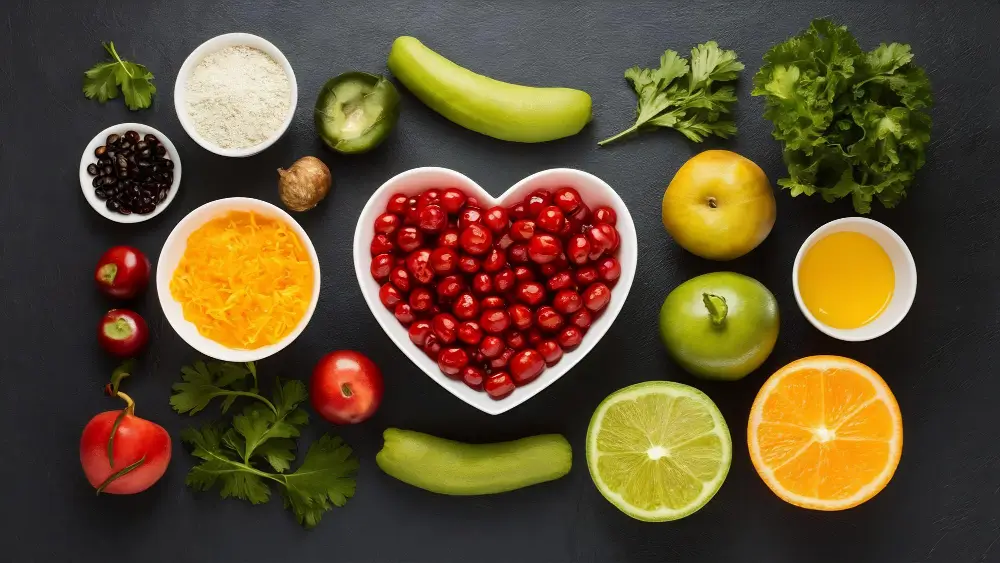
Watermelon – Hydrates the body and supports circulation
Cucumber – Helps maintain hydration and digestion
Coconut Water – Provides natural electrolytes
Buttermilk – Light and refreshing summer drink
Bottle Gourd (Lauki) – Helps regulate blood pressure
Pomegranate – Rich in antioxidants for heart health
Leafy Greens – Provide vitamins that support heart function
Oats and Whole Grains – Help control cholesterol levels

These foods are light, cooling, and beneficial for maintaining heart health during hot weather.

Foods Heart Patients Should Avoid in Summer

• Deep fried foods
• High salt snacks
• Processed and packaged foods
• Sugary beverages
• Excess caffeine
• Red meat
• Packaged fruit juices

These foods may increase cholesterol, blood pressure, and dehydration risk, which can negatively affect heart health.

Why Choose Us

At Kolekar Hospital & ICCU, patients receive comprehensive medical care from experienced doctors and modern facilities.

Key highlights include:

• 50-bedded multispecialty hospital with advanced facilities
• Fully equipped ICCU and modern operating theatres
• Experienced team of 40+ doctors
• 24×7 pathology, pharmacy, and ambulance services
• Advanced diagnostic services, including CT scan and imaging

The hospital focuses on delivering quality healthcare with a patient centred approach.

FAQ

A balanced diet including fruits, vegetables, whole grains, and hydrating drinks like coconut water and buttermilk is beneficial.

Watermelon, pomegranate, berries, and muskmelon are excellent options.

Yes, coconut water can help maintain hydration and electrolyte balance when consumed in moderation.

Fried foods, processed snacks, sugary drinks, and high-salt foods should be limited.

Maintain hydration, eat light meals, avoid extreme heat, and follow medical advice for heart health.

Conclusion

Heart health requires extra care during the summer months. By following a balanced summer diet for heart patients and choosing cooling, nutritious foods, individuals can reduce strain on the heart and maintain better cardiovascular health. Staying hydrated, eating light meals, and avoiding unhealthy foods can help prevent complications and support overall well being.

If you or your loved ones are experiencing heart-related symptoms or need guidance on maintaining heart health during summer, consult the specialists at Kolekar Hospital & ICCU for expert advice and personalized treatment.

Name: Kolekar Hospital

Phone (OPD): +91 75069 45763

Phone (IPD): +91 81049 61896 

Email: kolekaraditya@gmail.com

Address:
Omprakash Arcade, 2nd, 3rd & 4th Floor,
Ambedkar Garden, Chembur,
Mumbai – 400071, Maharashtra, India

Loading