Health

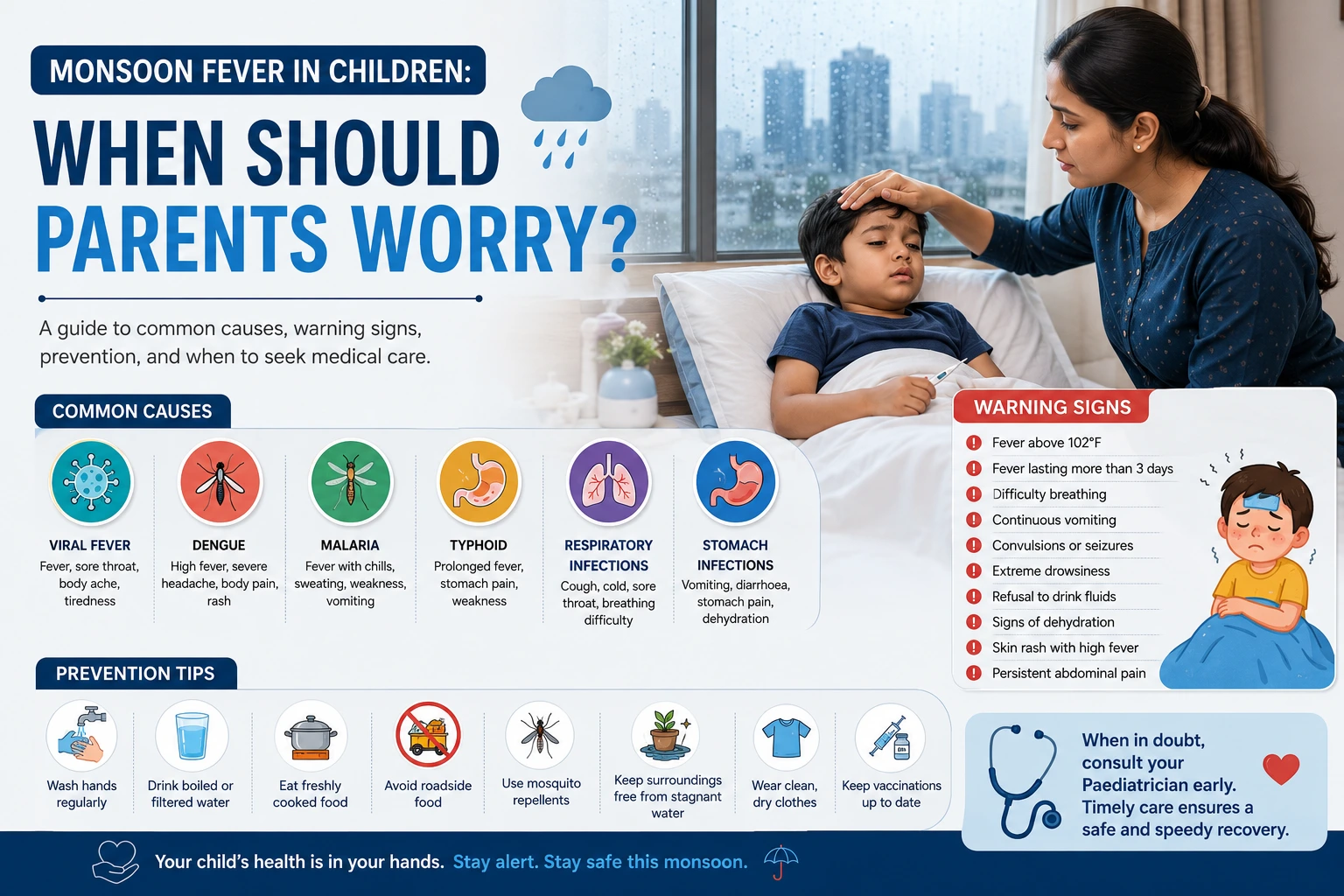
Monsoon Fever in Children: When Should Parents Worry?

Introduction

The monsoon season brings much-needed relief from the summer heat, but it also marks the beginning of seasonal illnesses among children. Fever, cough, cold, stomach infections, and mosquito-borne diseases become more common during this time. A child who is active and playful in the morning may suddenly develop a high fever by evening, leaving parents wondering whether it is just a viral infection or a sign of something more serious.

While most monsoon fevers are mild and improve with proper care, some may indicate illnesses such as dengue, malaria, typhoid, or respiratory infections that require timely medical attention. Recognising the warning signs and seeking early medical care can help prevent complications and ensure a faster recovery.

At Kolekar Hospital, Chembur, our Paediatrics Department provides comprehensive care for children with seasonal illnesses through advanced diagnostics and personalised treatment plans.

Why Are Children More Prone to Fever During the Monsoon?

Children are more susceptible to infections because their immune systems are still developing. During the rainy season, increased humidity, stagnant water, contaminated food and water, and sudden weather changes create favourable conditions for viruses, bacteria, and mosquitoes to spread.

Schools, playgrounds, and crowded indoor spaces also increase the risk of infections passing from one child to another. Although fever is a natural response to infection, persistent or high fever should always be evaluated by a doctor to identify the underlying cause.

Common Causes of Monsoon Fever in Children

Viral Fever

Viral fever is one of the most common causes of fever during the monsoon.

Common symptoms include:

  • Fever
  • Sore throat
  • Headache
  • Body aches
  • Fatigue
  • Poor appetite

Most children recover within three to five days with adequate rest, hydration, and medicines prescribed by a doctor.

Dengue

Dengue is a mosquito-borne illness that becomes more common during the rainy season due to stagnant water.

Warning signs include:

  • High fever
  • Severe headache
  • Body and joint pain
  • Skin rash
  • Nausea or vomiting

Early diagnosis is important to monitor platelet levels and prevent complications.

Malaria

Malaria is another mosquito-borne disease that requires early diagnosis and treatment.

Symptoms may include:

  • Fever with chills
  • Excessive sweating
  • Weakness
  • Vomiting
  • Body pain

Prompt treatment helps reduce the risk of serious complications.

Typhoid

Typhoid spreads through contaminated food and drinking water, making it more common during the monsoon.

Symptoms include:

  • Persistent fever
  • Abdominal pain
  • Weakness
  • Poor appetite
  • Vomiting

Maintaining food and water hygiene can help prevent infection.

Respiratory Infections

Respiratory illnesses such as the common cold, sore throat, bronchitis, and pneumonia become more common during the rainy season. Children with asthma may also experience worsening symptoms due to increased humidity.

Symptoms include:

  • Persistent cough
  • Wheezing
  • Difficulty breathing
  • Chest congestion
  • Sore throat

Stomach Infections

Contaminated food and water can cause stomach infections, especially in younger children.

Common symptoms include:

  • Vomiting
  • Diarrhoea
  • Stomach pain
  • Fever
  • Dehydration

Children who show signs of dehydration or are unable to drink fluids should receive immediate medical attention.

Symptoms Parents Should Never Ignore

Although many viral fevers settle within a few days, some symptoms require urgent medical evaluation.

Seek immediate medical attention if your child has:

  • Fever above 102°F
  • Fever lasting more than three days
  • Difficulty breathing
  • Continuous vomiting
  • Convulsions or seizures
  • Skin rash with high fever
  • Extreme drowsiness or difficulty waking up
  • Refusal to drink fluids
  • Reduced urination
  • Signs of dehydration
  • Persistent abdominal pain

Ignoring these warning signs may delay treatment and increase the risk of complications.

When Should Parents Take Their Child to a Hospital?

While mild viral fever can often be managed at home under medical guidance, certain situations require immediate hospital care.

Visit a hospital immediately if:

  • Your baby is younger than three months and develops a fever.
  • The fever does not improve despite medication.
  • Your child becomes unusually sleepy or difficult to wake.
  • Breathing becomes fast or difficult.
  • There are repeated episodes of vomiting or diarrhoea.
  • Your child experiences seizures or loss of consciousness.
  • You suspect dengue, malaria, or typhoid.

The Paediatrics Department at Kolekar Hospital, Chembur, provides timely diagnosis and treatment for seasonal childhood illnesses to help children recover safely.

How Is Monsoon Fever Diagnosed?

Since every fever has a different cause, identifying the underlying illness is essential before starting treatment.

Depending on your child’s symptoms, the doctor may recommend:

  • Physical examination
  • Complete Blood Count (CBC)
  • Dengue NS1 Antigen Test
  • Malaria Test
  • Typhoid Test
  • Urine Examination
  • Chest X-ray (if a respiratory infection is suspected)

Our Paediatrics Department works closely with the Diagnostic Services team to ensure accurate diagnosis and timely treatment.

How Is Monsoon Fever Treated?

Treatment depends on the underlying cause of the fever.

Children with viral fever usually recover with:

  • Adequate rest
  • Plenty of fluids
  • Fever-reducing medicines prescribed by the doctor
  • Nutritious food

Dengue requires careful monitoring of hydration and platelet counts, while malaria and typhoid require specific medications based on the diagnosis.

Parents should never give antibiotics without consulting a doctor, as they are ineffective against viral infections.

Can Monsoon Fever in Children Be Prevented?

Although not every infection can be prevented, following simple precautions can significantly reduce your child’s risk of illness.

Prevention Tips

  • Encourage regular hand washing.
  • Give boiled or filtered drinking water.
  • Serve freshly cooked meals.
  • Avoid roadside food.
  • Use mosquito repellents and mosquito nets.
  • Prevent stagnant water around your home.
  • Dress children in clean, dry clothes.
  • Ensure routine vaccinations are up to date.
  • Encourage a balanced diet and adequate sleep to strengthen immunity.

Good hygiene and early medical care remain the best defence against seasonal illnesses.

Frequently Asked Questions

Is fever common in children during the monsoon?

Yes. Viral infections, dengue, malaria, respiratory illnesses, and stomach infections make fever one of the most common health problems during the rainy season.

Can viral fever turn into dengue?

No. Viral fever and dengue are different illnesses. However, their early symptoms can be similar, so proper medical evaluation is important.

When should I take my child to the hospital for fever?

Seek immediate medical attention if your child has a high fever lasting more than three days, difficulty breathing, repeated vomiting, seizures, dehydration, or unusual drowsiness.

Can I give antibiotics without consulting a doctor?

No. Antibiotics should only be given if prescribed by a qualified doctor after determining the cause of the infection.

How long does viral fever usually last?

Most viral fevers improve within 3–5 days with proper rest, hydration, and supportive treatment. If symptoms persist or worsen, consult a paediatrician.

Conclusion

Monsoon fever in children is common, but it should never be ignored. While many cases are caused by viral infections, others may be linked to dengue, malaria, typhoid, or respiratory illnesses that require prompt medical attention. Recognising warning signs and consulting a paediatrician early can help your child recover faster and avoid serious complications.

Get Expert Paediatric Care at Kolekar Hospital

If your child develops a fever during the monsoon, don’t rely solely on home remedies or over-the-counter medicines. The Paediatrics Department at Kolekar Hospital, Chembur, offers comprehensive evaluation, advanced diagnostic support, and personalised treatment for viral fever, dengue, malaria, typhoid, respiratory infections, and other seasonal illnesses.

Book your appointment today and give your child the expert care they deserve for a safe and speedy recovery.

Loading

Health

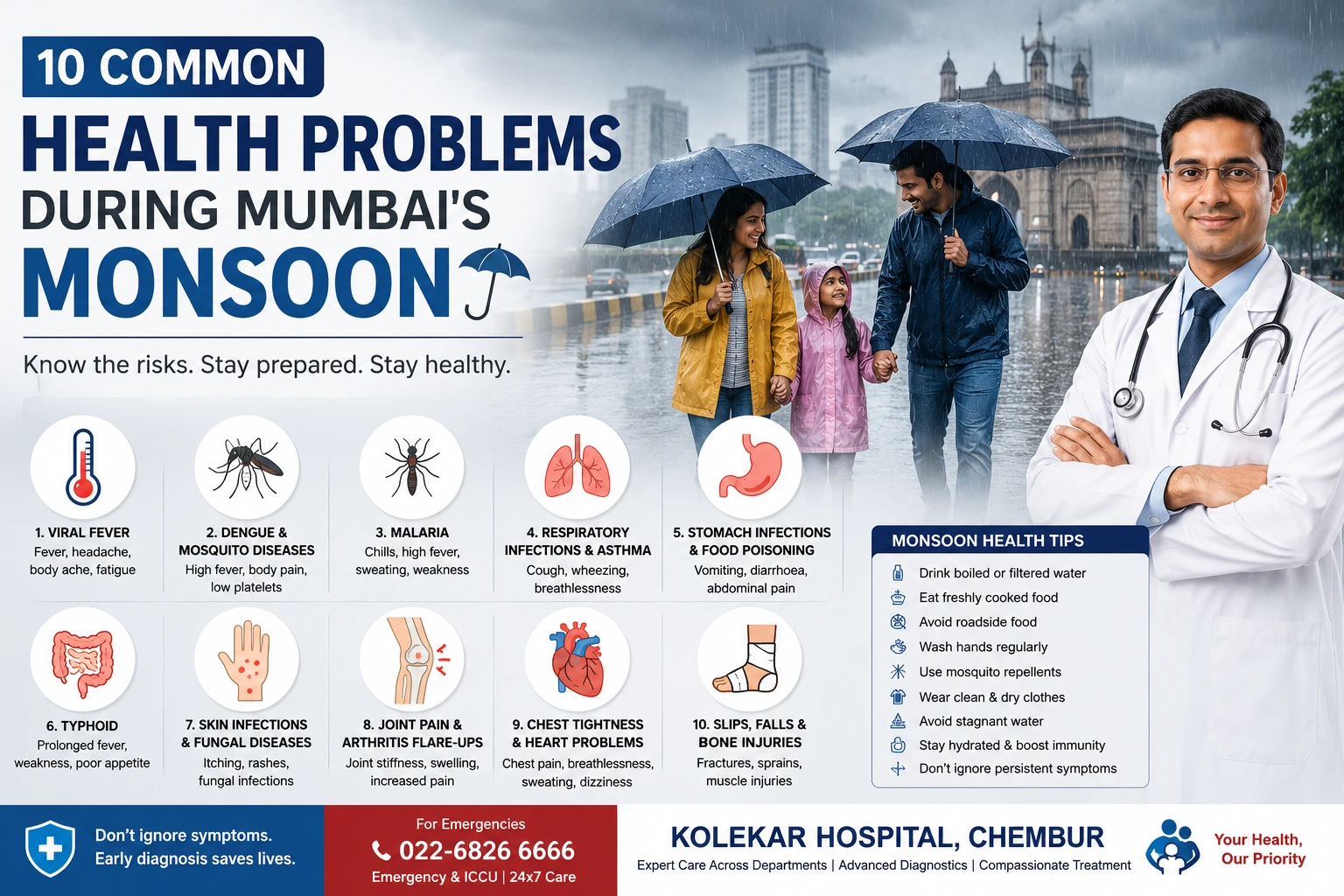
10 Health Problems That Become More Common During Mumbai’s Monsoon

Mumbai’s monsoon brings much-needed relief from the scorching summer heat, but it also creates conditions that increase the risk of several health problems. Heavy rainfall, waterlogging, high humidity, and stagnant water encourage the spread of infections, mosquito-borne diseases, and respiratory illnesses.

While many seasonal illnesses begin with mild symptoms, delaying medical attention can lead to serious complications. Knowing the warning signs and taking preventive measures can help you and your family stay healthy throughout the rainy season.

At Kolekar Hospital, Chembur, our team of experienced specialists provides comprehensive diagnosis and treatment for a wide range of monsoon-related illnesses.

Why Do Health Problems Increase During the Monsoon?

The rainy season creates an environment where bacteria, viruses, fungi, and mosquitoes thrive. At the same time, fluctuations in temperature and humidity can weaken the body’s natural defence mechanisms.

Some common reasons include:

  • Stagnant water leading to mosquito breeding
  • Contaminated food and drinking water
  • Increased humidity promoting fungal infections
  • Sudden weather changes affecting immunity
  • Wet and slippery roads increasing the risk of falls

Understanding these risks is the first step toward preventing seasonal illnesses.

1. Viral Fever and Seasonal Flu

Viral fever is one of the most common illnesses during Mumbai’s monsoon. The sudden change in weather makes it easier for viral infections to spread.

Symptoms

  • Fever
  • Body ache
  • Headache
  • Sore throat
  • Fatigue

If your fever lasts more than two days or is accompanied by breathing difficulty, consult a doctor immediately.

2. Dengue and Other Mosquito-Borne Diseases

Water collected in containers, drains, and open spaces provides an ideal breeding ground for mosquitoes.

Symptoms

  • High fever
  • Severe headache
  • Muscle and joint pain
  • Skin rash
  • Nausea
  • Low platelet count

Early diagnosis and treatment can help prevent serious complications.

3. Malaria

Malaria is another common mosquito-borne disease during the rainy season. It spreads through infected mosquito bites and requires prompt medical attention.

Symptoms

  • High fever with chills
  • Excessive sweating
  • Weakness
  • Body pain
  • Vomiting

Early treatment significantly reduces the risk of complications.

4. Respiratory Infections and Asthma

High humidity can worsen asthma and increase the risk of respiratory infections, particularly in children, older adults, and people with existing lung conditions.

Symptoms

  • Persistent cough
  • Wheezing
  • Shortness of breath
  • Chest tightness

Individuals with asthma should continue their prescribed medications and avoid prolonged exposure to damp environments.

5. Stomach Infections and Food Poisoning

During the monsoon, contaminated food and water become a major cause of digestive illnesses.

Symptoms

  • Vomiting
  • Diarrhoea
  • Stomach cramps
  • Fever
  • Dehydration

Drink safe water and consume freshly prepared meals to reduce the risk.

6. Typhoid

Typhoid spreads through contaminated food and drinking water and is more common during the rainy season.

Symptoms

  • Persistent fever
  • Weakness
  • Loss of appetite
  • Abdominal pain
  • Constipation or diarrhoea

Early medical treatment helps prevent severe complications.

7. Skin Infections and Fungal Diseases

Constant exposure to moisture, wet footwear, and damp clothing can lead to fungal and bacterial skin infections.

Common Conditions

  • Ringworm
  • Athlete’s foot
  • Fungal rashes
  • Itching and redness

Keeping your skin dry and maintaining good personal hygiene can help prevent these infections.

8. Joint Pain and Arthritis Flare-Ups

Many people experience increased joint stiffness and pain during humid weather, especially those with arthritis or previous joint injuries.

If knee pain, back pain, or joint stiffness affects your daily activities, seek medical advice.

9. Chest Tightness and Heart Problems

Humidity forces the heart to work harder, making symptoms more noticeable in people with hypertension or existing heart disease.

Seek immediate medical attention if chest pain is accompanied by:

  • Sweating
  • Breathlessness
  • Pain spreading to the arm or jaw
  • Dizziness

10. Slips, Falls, and Bone Injuries

Wet roads and slippery surfaces increase the risk of fractures, sprains, and ligament injuries.

If pain, swelling, or difficulty walking persists after a fall, consult an orthopaedic specialist without delay.

How to Stay Healthy During Mumbai’s Monsoon

You can lower your risk of seasonal illnesses by following a few simple precautions:

  • Drink boiled or filtered water.
  • Eat freshly cooked food.
  • Avoid roadside food during heavy rains.
  • Wash your hands regularly.
  • Use mosquito repellents.
  • Wear clean and dry clothes.
  • Avoid walking through stagnant water.
  • Stay hydrated.
  • Get enough sleep to strengthen your immunity.
  • Seek medical advice if symptoms persist.

When Should You Visit a Hospital?

Consult a doctor immediately if you experience:

  • Fever lasting more than 2–3 days
  • Difficulty breathing
  • Severe dehydration
  • Persistent vomiting
  • Chest pain
  • Sudden weakness
  • High fever with skin rash
  • Severe abdominal pain
  • Loss of consciousness

Prompt medical care can prevent complications and support faster recovery.

Frequently Asked Questions

Which diseases are most common during Mumbai’s monsoon?

Viral fever, dengue, malaria, typhoid, respiratory infections, stomach infections, fungal skin infections, and joint pain are among the most common health problems.

Why do heart problems worsen during humid weather?

High humidity increases the workload on the heart, making symptoms more noticeable in people with existing cardiovascular conditions.

How can I prevent monsoon illnesses?

Maintain good hygiene, drink safe water, eat freshly prepared food, use mosquito repellents, and seek medical care if symptoms persist.

When should I visit the emergency department?

Visit immediately if you experience severe chest pain, breathing difficulty, persistent high fever, dehydration, or loss of consciousness.

Which department should I consult first?

If you are unsure about the cause of your symptoms, consult the General Medicine Department, where doctors can evaluate your condition and refer you to the appropriate specialist if needed.

Conclusion

The monsoon season in Mumbai increases the risk of infections, mosquito-borne diseases, respiratory illnesses, digestive disorders, heart-related symptoms, and accidental injuries. While many of these conditions are manageable with early treatment, ignoring symptoms can lead to serious complications.

Recognising the warning signs, following preventive measures, and seeking timely medical care can help you and your family stay healthy throughout the rainy season.

Stay Healthy This Monsoon with Kolekar Hospital

Whether you’re experiencing viral fever, dengue, stomach infections, breathing difficulties, chest pain, or bone injuries, the experienced specialists at Kolekar Hospital, Chembur, are here to help.

With advanced diagnostic facilities and expert care across General Medicine, Cardiology, Gastroenterology, Pulmonology, Orthopaedics, and Emergency & ICCU, we provide comprehensive treatment under one roof.

Book your consultation today and stay protected this monsoon.

Loading

Cardiology

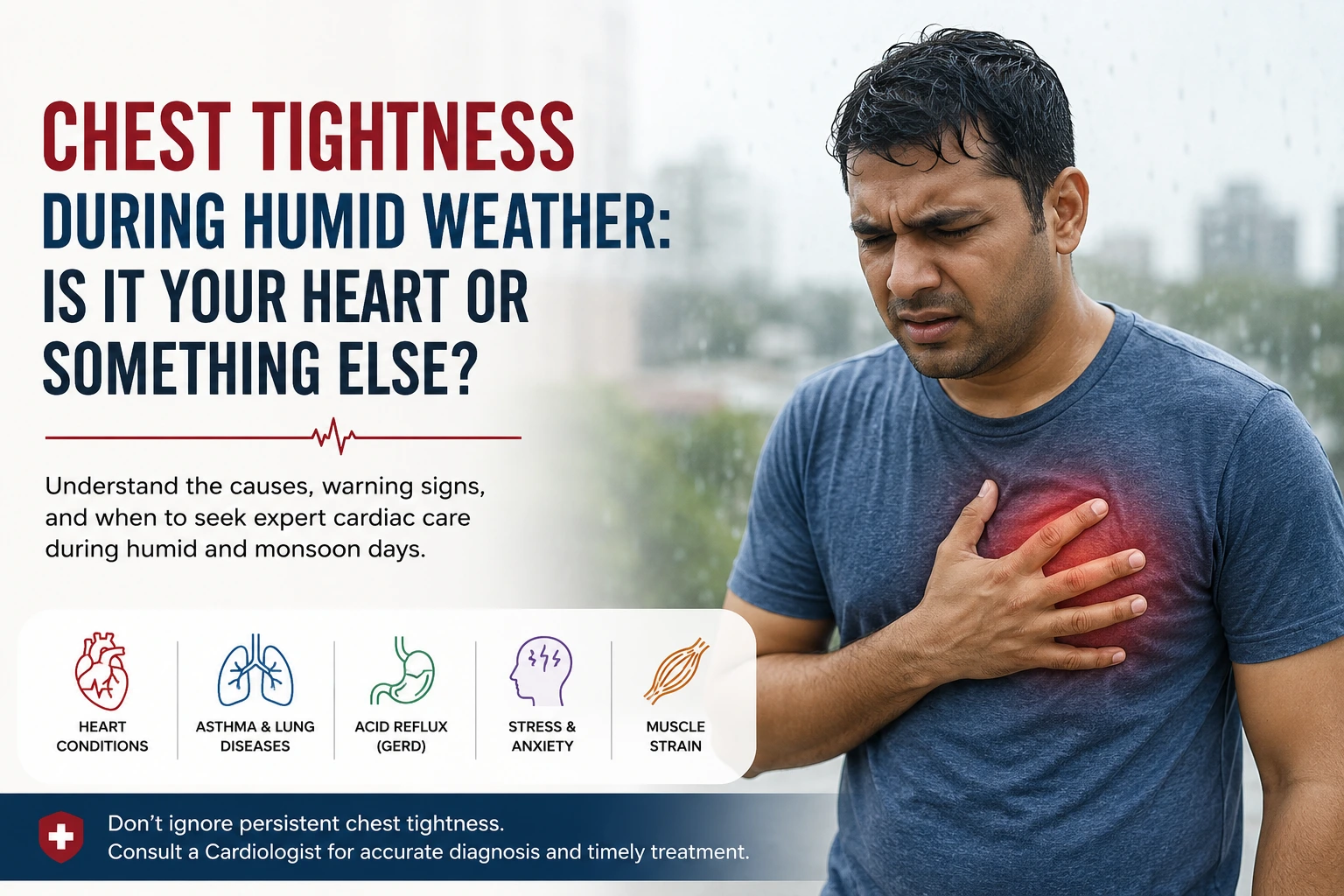
Chest Tightness During Humid Weather: Is It Your Heart or Something Else?

During the monsoon and humid summer months, many people experience chest tightness, breathlessness, unusual fatigue, or a feeling of heaviness in the chest. While these symptoms are often blamed on the weather, they should never be ignored.

Humidity can increase the workload on your heart and lungs, making existing medical conditions worse. In some cases, chest discomfort may indicate an underlying heart condition, respiratory disease, or digestive problem such as acid reflux.

At Kolekar Hospital, Chembur, our Cardiology Department frequently evaluates patients experiencing chest pain or tightness during seasonal weather changes. Early diagnosis helps determine the exact cause and prevents serious complications.

Why Does Chest Tightness Increase During Humid Weather?

High humidity reduces the body’s ability to cool itself because sweat evaporates more slowly. As body temperature rises, your heart pumps harder to maintain circulation, while your lungs work harder to provide adequate oxygen.

This increased workload may lead to:

  • Chest tightness
  • Breathlessness
  • Fatigue
  • Increased heart rate
  • Excessive sweating

People with the following conditions are at a higher risk:

  • Heart disease
  • High blood pressure
  • Diabetes
  • Asthma
  • COPD
  • Obesity
  • Elderly individuals

Humidity can also contribute to dehydration, further increasing strain on the cardiovascular system.

Common Causes of Chest Tightness

Chest tightness has several possible causes, and not all are related to the heart.

Heart-Related Conditions

Reduced blood flow to the heart due to blocked arteries may cause chest pressure or pain, particularly during physical activity in hot and humid weather.

Internal Link: Cardiology Department

Asthma and Lung Diseases

Humidity may trigger airway inflammation and worsen respiratory conditions.

Common symptoms include:

  • Wheezing
  • Shortness of breath
  • Chest tightness
  • Persistent cough

Acid Reflux (GERD)

Acid reflux often causes a burning sensation in the chest that resembles heart pain.

Symptoms usually occur:

  • After eating heavy meals
  • After spicy or oily foods
  • While lying down

Internal Link: Gastroenterology Department

Anxiety and Panic Attacks

Stress and anxiety can produce symptoms similar to heart disease, including:

  • Chest tightness
  • Rapid heartbeat
  • Sweating
  • Dizziness
  • Difficulty breathing

Muscle Strain

Chest muscles may become strained due to:

  • Heavy lifting
  • Excessive coughing
  • Physical injury

Pain generally increases with movement or when pressing the affected area.

Symptoms You Should Never Ignore

Seek immediate medical attention if chest tightness occurs with:

  • Severe chest pain
  • Pain spreading to the left arm, jaw, neck, or back
  • Difficulty breathing
  • Cold sweats
  • Dizziness or fainting
  • Nausea or vomiting
  • Sudden weakness

These may indicate a heart attack and require emergency treatment.

Internal Link: Emergency & ICCU Department

Is Chest Tightness Always a Heart Problem?

Not necessarily.

Heart-related chest pain usually feels like pressure, heaviness, or squeezing and often worsens during physical activity.

Other conditions have different characteristics:

ConditionCommon Symptoms
Heart DiseasePressure, heaviness, pain radiating to arm or jaw
AsthmaWheezing, breathlessness
Acid RefluxBurning sensation after meals
Muscle StrainPain with movement or touch
AnxietyChest tightness with rapid heartbeat and sweating

Because these conditions may overlap, self-diagnosis should be avoided. A medical evaluation is the safest way to identify the cause.

When Should You See a Cardiologist?

Consult a cardiologist if you experience:

  • Recurrent chest tightness
  • Chest discomfort during exercise
  • Breathlessness while walking
  • High blood pressure with chest pain
  • Diabetes with recurring chest discomfort
  • Irregular heartbeat or palpitations
  • Family history of heart disease

At Kolekar Hospital, advanced cardiac investigations help detect heart conditions early.

Internal Links: ECG | 2D Echo | Cardiology Department

How Is Chest Tightness Diagnosed?

Your doctor will review your symptoms, medical history, and perform a physical examination before recommending investigations such as:

  • ECG
  • 2D Echocardiography
  • Blood Tests
  • Chest X-ray
  • CT Scan
  • Treadmill Test (TMT)

If required, specialists from Gastroenterology or Pulmonology may also evaluate your condition.

Internal Links:

  • CT Scan
  • Cardiology
  • Gastroenterology
  • Emergency & ICCU

How Can Chest Tightness Be Treated?

Treatment depends entirely on the underlying cause.

Heart-related conditions may require:

  • Medications
  • Lifestyle modifications
  • Cardiac procedures when necessary

Respiratory conditions are treated using inhalers and allergy management, while acid reflux is managed through medications and dietary changes.

Tips to Prevent Chest Tightness During Humid Weather

  • Stay well hydrated
  • Avoid outdoor activities during peak afternoon heat
  • Eat light, balanced meals
  • Keep blood pressure and diabetes under control
  • Quit smoking
  • Exercise regularly in cooler hours
  • Manage stress through relaxation techniques
  • Take prescribed medications consistently

Frequently Asked Questions

Can humid weather cause chest tightness?

Yes. High humidity can increase strain on the heart and lungs, making breathing more difficult and worsening existing medical conditions.

Is chest tightness always a heart problem?

No. It may result from asthma, acid reflux, anxiety, or muscle strain. However, persistent symptoms should always be evaluated by a doctor.

When should I visit the emergency department?

Seek immediate medical attention if chest tightness is accompanied by severe chest pain, breathlessness, sweating, dizziness, or pain spreading to the arm or jaw.

Which department should I consult first?

If you’re unsure of the cause, consult the General Medicine or Cardiology Department at Kolekar Hospital for a comprehensive evaluation.

Can dehydration worsen chest discomfort?

Yes. Dehydration during hot and humid weather increases the workload on the heart and may contribute to chest discomfort, fatigue, and dizziness.

Conclusion

Chest tightness during humid weather should never be ignored, especially if it is recurrent or accompanied by breathlessness, dizziness, or chest pain. While humidity itself can worsen existing health conditions, it may also uncover underlying heart or lung diseases that require prompt medical attention.

Early diagnosis and timely treatment can help prevent serious complications and improve your overall heart health.

Get Expert Cardiac Care at Kolekar Hospital

If you or your loved one experiences chest tightness, chest pain, breathlessness, or recurring discomfort, consult the experienced cardiologists at Kolekar Hospital, Chembur.

Our Cardiology Department offers:

  • Comprehensive heart evaluations
  • ECG & 2D Echo
  • Emergency cardiac care
  • Advanced diagnostic facilities
  • Personalized treatment plans

Book your consultation today for timely diagnosis and expert cardiac care.

Loading

Angioplasty

Effective Heart Attack Treatment in Chembur: How Our Hospital Provides Timely and Advanced Care

Introduction

Heart attacks are one of the leading causes of death worldwide, and timely treatment can make a significant difference in saving lives and improving outcomes. In Chembur, advanced medical care is readily available to handle heart attacks with efficiency and expertise. With the right combination of experienced healthcare professionals, cutting-edge medical technology, and personalized care, our hospital offers the best heart attack treatment in Chembur.

In this article, we’ll explore the importance of early detection, the treatment options available for heart attack patients, and how our hospital ensures optimal recovery for heart patients.

The Importance of Timely Heart Attack Treatment

Heart attacks, also known as myocardial infarctions, occur when the blood flow to a part of the heart muscle is blocked, typically due to a buildup of plaque in the coronary arteries. When the blood supply is cut off, the heart tissue can begin to die, leading to permanent damage to the heart muscle. In the event of a heart attack, time is of the essence, and prompt medical intervention can significantly reduce the damage and improve survival rates.

At our hospital in Chembur, we understand the importance of rapid response in treating heart attacks. We offer 24/7 emergency care services, ensuring that patients receive immediate attention, even in the most critical situations.

Advanced Diagnostic Techniques for Heart Attack Detection

Early detection of a heart attack can save lives and prevent long-term complications. Our hospital is equipped with state-of-the-art diagnostic tools that allow our medical professionals to quickly assess the condition of patients. Some of the diagnostic tests include:

  • Electrocardiogram (ECG): An ECG helps to detect abnormal heart rhythms and identifies areas of the heart that may be affected by reduced blood flow.
  • Blood Tests: Blood tests measure biomarkers, such as troponin levels, which help determine if a heart attack has occurred.
  • Coronary Angiography: This procedure involves the injection of a contrast dye into the coronary arteries to visualize blockages or narrowing that may cause a heart attack.
  • Echocardiogram: This imaging technique helps assess the damage caused to the heart muscle.

Heart Attack Treatment Options Available at Kolekar Hospital

Once a heart attack is diagnosed, immediate intervention is necessary to restore blood flow to the heart. At our hospital in Chembur, we offer the following heart attack treatments:

  1. Medications:
    • Thrombolytics: These clot-busting drugs are administered to dissolve the blood clot blocking the coronary artery.
    • Antiplatelet Drugs: These drugs prevent the blood platelets from clumping together and forming clots.
    • Anticoagulants: Medications that help thin the blood and prevent further clot formation.
    • Pain Relief: Analgesics may be given to relieve chest pain and improve patient comfort.
  2. Angioplasty and Stent Placement:
    • For many heart attack patients, angioplasty is the preferred treatment. During angioplasty, a balloon is inflated inside the blocked artery to restore blood flow. A stent, a small mesh tube, is then inserted to keep the artery open.
  3. Coronary Artery Bypass Grafting (CABG):
    • In cases where angioplasty is not an option, coronary artery bypass surgery may be required. CABG creates an alternate route for blood flow by grafting a healthy blood vessel to bypass the blocked artery.

Why Choose Kolekar Hospital for Heart Attack Treatment in Chembur?

At Kolekar hospital, we understand the urgency of heart attack treatment and the need for specialized care. Here’s why our patients trust us for heart attack treatment in Chembur:

  • Experienced Cardiologists and Medical Team: Our team of cardiologists, surgeons, and healthcare professionals are highly experienced in managing heart attack patients.
  • Cutting-edge Technology: We use the latest diagnostic tools and advanced treatment techniques to provide the best care possible.
  • 24/7 Emergency Services: Heart attacks require immediate medical intervention. Our hospital offers round-the-clock emergency care to ensure timely treatment.
  • Personalized Care and Support: We focus on providing individualized care to meet the unique needs of each patient, including post-treatment rehabilitation and lifestyle modifications.

Conclusion

Heart attack treatment in Chembur is made more accessible and efficient at our hospital. With our comprehensive approach to diagnosis, treatment, and recovery, we ensure that patients receive the best possible care. Timely intervention, advanced medical technology, and a team of dedicated professionals are the key elements that help us save lives and improve heart health outcomes for our patients.

Loading