Urology

Is Stress the Only Cause of Erectile Dysfunction? Not Always

Is Stress the Only Cause of Erectile Dysfunction? Not Always

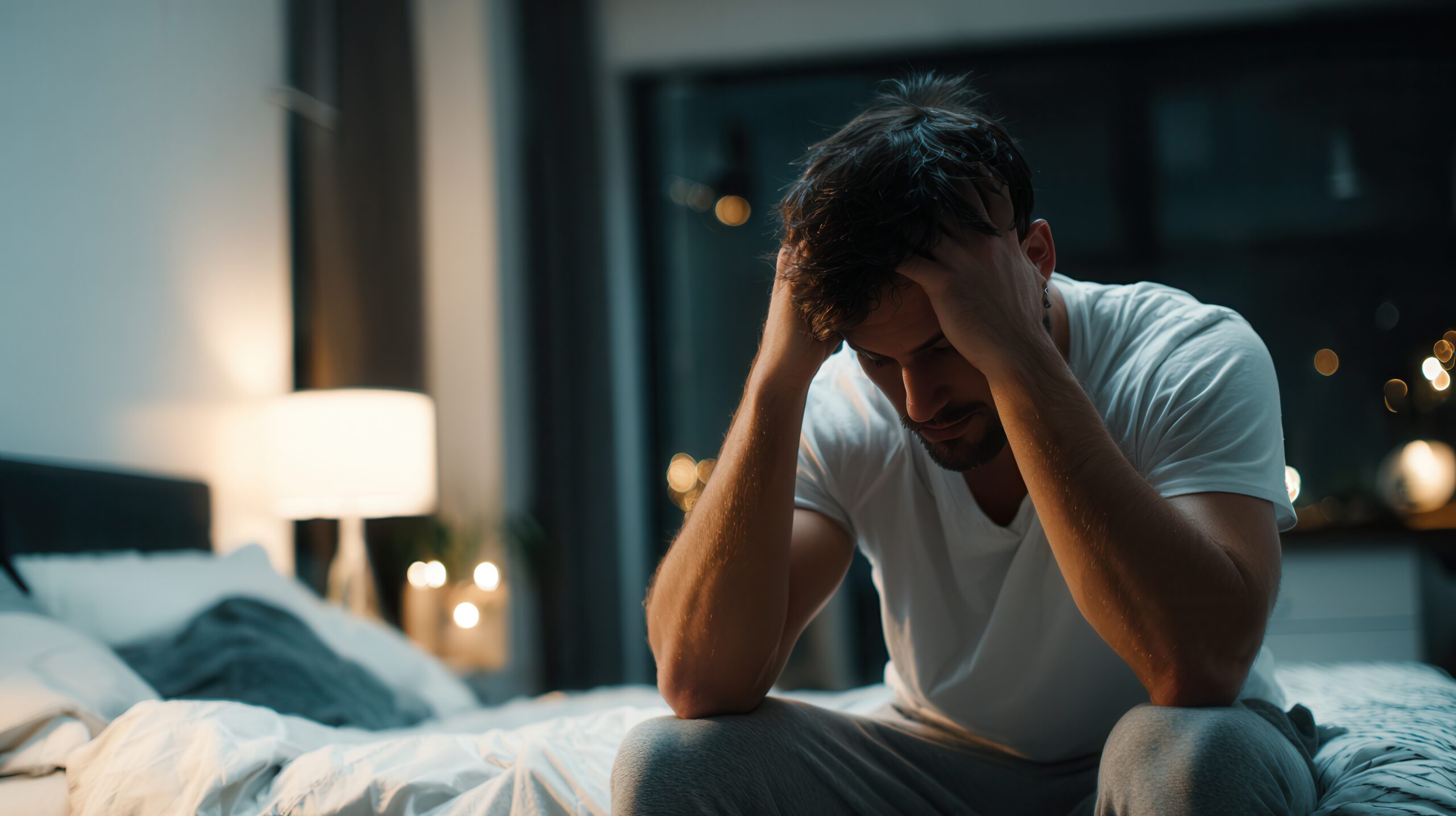
Many men believe that stress is the only reason behind erectile dysfunction, but that is not always true. While mental stress, anxiety, and emotional pressure can affect sexual performance, erectile dysfunction may also be linked to physical health conditions, lifestyle habits, hormonal imbalance, or circulation problems.

Ignoring the symptoms or assuming they are temporary can sometimes delay proper treatment. Understanding the real causes of erectile dysfunction can help men seek the right support and improve both physical and emotional well-being.

What Is an Enlarged Prostate?

An enlarged prostate, medically known as Benign Prostatic Hyperplasia (BPH), is a common condition seen in men over the age of 50. It is non-cancerous but can gradually affect the normal flow of urine.

As the prostate enlarges, it puts pressure on the urinary passage, making it harder for urine to pass smoothly. While BPH is common with ageing, it should not be ignored when symptoms begin to interfere with daily activities.

What Is Erectile Dysfunction?

Erectile dysfunction (ED) is the inability to achieve or maintain an erection firm enough for sexual activity. Occasional difficulty may not always indicate a serious problem, but frequent or ongoing symptoms should not be ignored.

ED can affect confidence, relationships, and mental health, especially when the underlying cause remains untreated.

Is Stress a Common Cause of Erectile Dysfunction?

Yes, stress is one of the common triggers of erectile dysfunction. Work pressure, financial stress, relationship issues, anxiety, and lack of sleep can affect brain signals responsible for sexual arousal.

When stress levels remain high for a long time, the body produces hormones that may reduce sexual desire and affect blood flow, leading to erection difficulties.

However, stress is not the only cause.

Other Possible Causes of Erectile Dysfunction

Several physical and lifestyle-related factors can contribute to erectile dysfunction.

Cause How It Affects Sexual Health
Diabetes Can damage nerves and blood vessels
High blood pressure Affects blood circulation
Obesity Impacts hormones and blood flow
Smoking Reduces oxygen supply and circulation
Alcohol consumption May affect nerve and hormonal function
Low testosterone Can reduce sexual desire
Poor sleep Impacts hormone balance

In many cases, erectile dysfunction may be an early sign of an underlying health condition.

Signs You Should Not Ignore

You should consider a medical evaluation if you experience:

  • Difficulty maintaining an erection regularly
  • Reduced sexual desire
  • Anxiety related to sexual performance
  • Difficulty achieving erections despite arousal
  • Relationship stress due to sexual difficulties

Recognising these symptoms early can help identify whether the cause is physical, psychological, or both.

Can Lifestyle Habits Affect Erectile Dysfunction?

Yes. Daily habits play a major role in male sexual health. Lack of exercise, unhealthy eating, smoking, and excessive alcohol consumption can gradually affect blood circulation and hormone balance.

Simple lifestyle changes may help improve erectile function naturally:

  • Exercise regularly
  • Maintain a healthy body weight
  • Quit smoking
  • Limit alcohol intake
  • Manage stress effectively
  • Get enough sleep

Healthy blood flow is essential for normal erectile function, and lifestyle plays a major role in maintaining it.

How Is Erectile Dysfunction Diagnosed?

Doctors may recommend:

  • Physical examination
  • Blood sugar and cholesterol tests
  • Hormone evaluation
  • Blood pressure monitoring
  • Psychological assessment if stress or anxiety is suspected

These tests help identify the root cause and guide proper treatment.

Treatment Options for Erectile Dysfunction

Treatment depends on the underlying cause.

Lifestyle Changes

Improving diet, exercise, and sleep habits may help in mild cases.

Medications

Doctors may prescribe medications that improve blood flow.

Counselling or Therapy

If stress, anxiety, or relationship issues are contributing factors, counselling may be helpful.

Treating Underlying Conditions

Managing diabetes, blood pressure, or hormonal problems can also improve symptoms.

Frequently Asked Questions

No. Stress can contribute to erectile dysfunction, but physical health conditions and lifestyle habits may also be responsible.

Yes. Stress, anxiety, unhealthy habits, and medical conditions can affect younger men as well.

In many cases, healthy lifestyle changes can improve blood circulation and sexual health.

Yes. Persistent symptoms should be evaluated to identify the exact cause and appropriate treatment.

Conclusion

While stress can contribute to erectile dysfunction, it is not always the only reason. Physical health conditions, lifestyle habits, and hormonal factors can also play a significant role. Understanding the real cause is important for proper treatment and long-term sexual health.

Seeking timely medical guidance can help improve confidence, relationships, and overall quality of life.

If erectile dysfunction symptoms continue, consulting a specialist early can help identify the cause and guide the right treatment.


Loading

Health

Headache on One Side with Eye Pain? Possible Causes Explained

Headache on One Side with Eye Pain? Possible Causes Explained

Experiencing a headache on one side with eye pain can be uncomfortable and sometimes worrying. Many people assume it is simply due to stress, lack of sleep, or screen fatigue, but in some cases, it may indicate an underlying eye condition, migraine, sinus issue, or nerve-related problem.

When the pain becomes frequent, severe, or starts affecting your vision and daily activities, it should not be ignored. Understanding the possible causes and recognizing warning signs early can help you seek the right medical care at the right time.

Why Does a One Sided Headache with Eye Pain Happen?

The eyes, nerves, muscles, and blood vessels around the head are closely connected. Problems affecting any of these areas can trigger pain around one eye along with headache on one side of the head.

Sometimes the pain may feel sharp and sudden, while in other cases it may feel like pressure, heaviness, or throbbing behind the eye.

Common Causes of Headache on One Side with Eye Pain

1. Eye Strain

Long hours of screen time, poor lighting, or uncorrected vision problems can strain the eye muscles and trigger headaches.

Common symptoms include:

  • Heavy feeling around the eyes
  • Blurred vision
  • Dry eyes
  • Pain after laptop or mobile use


2. Migraine

Migraines often cause a severe headache on one side along with sensitivity to light and eye discomfort.

Migraine Symptoms Common Signs
Throbbing headache Usually on one side
Eye pain Pressure around the eye
Nausea Feeling uneasy or dizzy
Light sensitivity Difficulty tolerating bright light

Migraine pain can last for several hours and may affect daily activities.


3. Sinus Problems

Sinus infections or sinus pressure can cause pain around the eyes, forehead, and one side of the face.

Symptoms may include:

  • Facial pressure
  • Blocked nose
  • Headache near the eyes
  • Pain while bending forward


4. Glaucoma

In some cases, sudden eye pain with headache may be related to glaucoma, a condition caused by increased pressure inside the eye.

This may require immediate medical attention if symptoms include:

  • Severe eye pain
  • Blurred vision
  • Redness in the eye
  • Nausea or vomiting


5. Cluster Headaches

Cluster headaches are intense headaches that usually occur around one eye.

Symptoms of Cluster Headache
Severe pain around one eye Sudden onset
Red or watery eye Common
Restlessness During pain episodes
Nasal congestion May occur on one side

These headaches are often short but extremely painful

When Should You See a Doctor?

You should seek medical advice if you experience:

  • Frequent one-sided headaches
  • Eye pain with blurred vision
  • Redness or swelling around the eye
  • Sudden severe headache
  • Vision changes or light sensitivity
  • Pain that affects sleep or daily work

Early diagnosis can help identify whether the issue is related to the eyes, nerves, sinuses, or another medical condition.

Tips to Reduce Eye Strain and Headache

Simple habits may help reduce discomfort:

  • Follow the 20-20-20 screen rule
  • Stay hydrated
  • Get proper sleep
  • Avoid excessive screen time
  • Use proper lighting while working
  • Wear prescribed glasses if needed

Maintaining eye health and reducing strain can lower the chances of recurring headaches.

Diagnosis and Evaluation

Doctors may recommend:

  • Eye examination
  • Vision testing
  • Neurological evaluation
  • Sinus assessment
  • Imaging scans if required

These tests help identify the exact cause and guide proper treatment.

Frequently Asked Questions

Yes. Long screen time and eye strain can sometimes trigger headaches and pain around one eye.

Not always, but severe or recurring symptoms should be medically evaluated to rule out serious conditions.

Yes. Migraines commonly cause pain around the eyes along with throbbing headache.

If eye pain is associated with blurred vision, redness, or persistent headache, an eye evaluation is recommended.

Conclusion

A headache on one side with eye pain may occur due to eye strain, migraines, sinus issues, or other underlying conditions. While some causes may be temporary, persistent or severe symptoms should not be ignored.

Understanding the warning signs and seeking timely medical guidance can help protect both your eye health and overall well-being.

If eye pain and one-sided headaches continue frequently, consulting an eye specialist can help identify the exact cause early.

Loading

General surgery Urology

Weak Urine Flow or Difficulty Urinating? Your Prostate Could Be the Cause

Weak Urine Flow or Difficulty Urinating? Your Prostate Could Be the Cause

Introduction

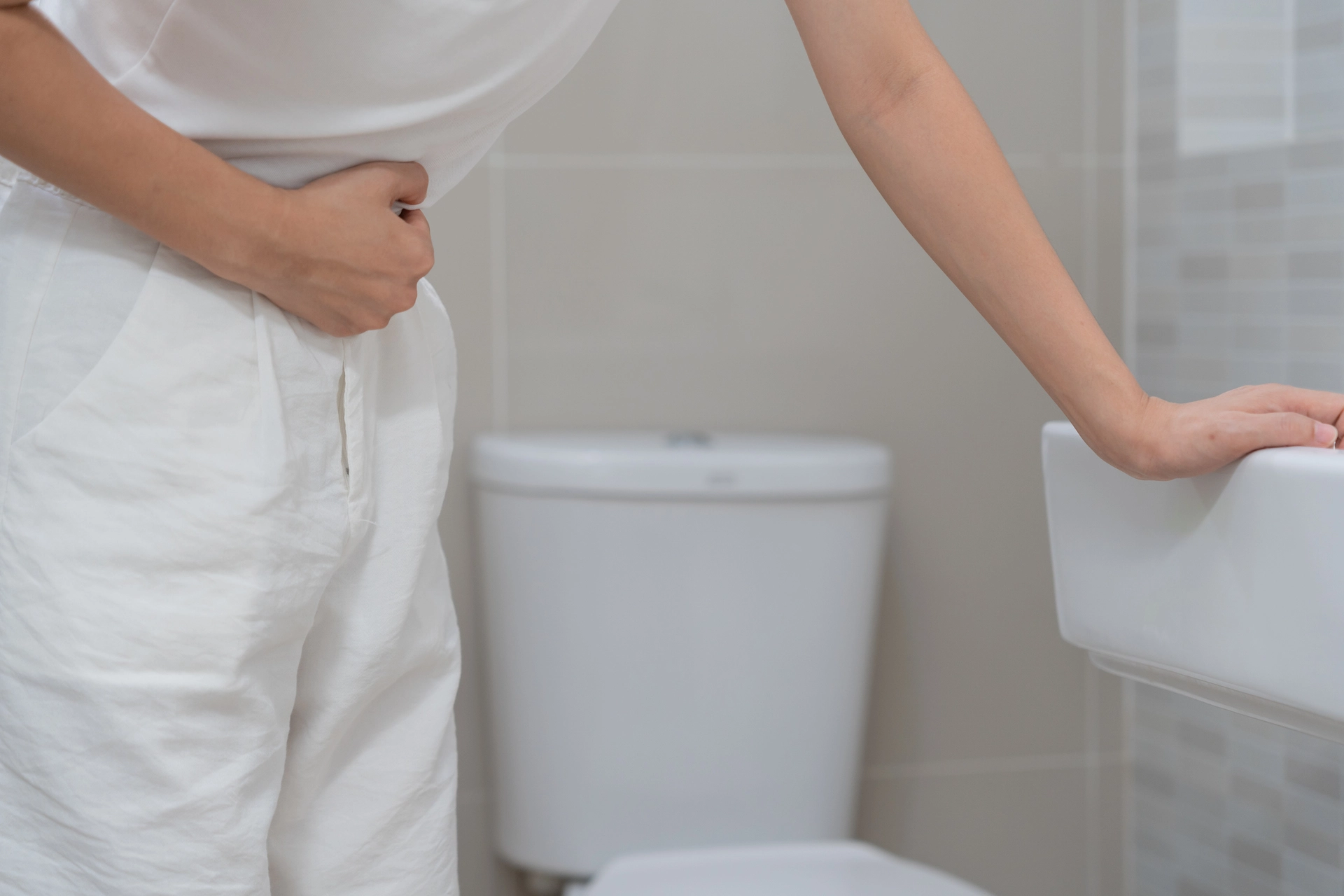
Experiencing weak urine flow or difficulty urinating can be frustrating and uncomfortable, especially when it starts affecting your daily routine or sleep. Many men ignore these symptoms, assuming they are a normal part of ageing. However, in many cases, prostate enlargement may be the underlying cause.

The prostate is a small gland located below the bladder in men. As men age, this gland can enlarge and press against the urethra, leading to urinary problems. Understanding the symptoms early and seeking timely medical advice can help prevent complications and improve quality of life.

What Is an Enlarged Prostate?

An enlarged prostate, medically known as Benign Prostatic Hyperplasia (BPH), is a common condition seen in men over the age of 50. It is non-cancerous but can gradually affect the normal flow of urine.

As the prostate enlarges, it puts pressure on the urinary passage, making it harder for urine to pass smoothly. While BPH is common with ageing, it should not be ignored when symptoms begin to interfere with daily activities.

Common Symptoms of Prostate Enlargement

Men with prostate-related urinary problems may experience:

  • Weak or slow urine flow
  • Difficulty starting urination
  • Frequent urge to urinate
  • Waking up multiple times at night to urinate
  • Feeling that the bladder is not fully empty
  • Dribbling of urine after urination
  • Sudden urge to urinate urgently

These symptoms often develop gradually and may worsen over time if left untreated.

Why Does the Prostate Enlarge?

Although aging is the most common factor, several other reasons may contribute to prostate enlargement:

Risk Factor How It Affects the Prostate
Aging Hormonal changes may enlarge the prostate
Family history Increased genetic risk
Obesity Can worsen urinary symptoms
Lack of physical activity Affects overall urinary health
Diabetes & BP May increase prostate-related complications

While these factors do not always cause prostate problems directly, they can increase the chances of developing urinary symptoms.

When Should You See a Doctor?

Many men delay seeking help because they feel embarrassed or think the symptoms are temporary. However, you should consult a doctor if you experience:

  • Difficulty passing urine regularly
  • Pain or burning during urination
  • Blood in urine
  • Frequent nighttime urination
  • Sudden inability to urinate

Early diagnosis can help identify the exact cause and prevent complications such as urinary infections or bladder damage.

Diagnosis and Evaluation

Doctors may recommend a few simple tests to understand the cause of urinary problems:

  • Physical examination
  • Urine test
  • Ultrasound scan
  • PSA (Prostate-Specific Antigen) blood test
  • Urine flow study

These evaluations help determine whether the symptoms are related to an enlarged prostate or another urological condition.

Treatment Options for Enlarged Prostate

Treatment depends on the severity of symptoms and overall health condition.

Lifestyle Changes

Mild symptoms may improve with simple lifestyle modifications such as:

  • Reducing caffeine and alcohol intake
  • Avoiding excess fluids before bedtime
  • Maintaining a healthy weight
  • Regular exercise

Medications

Doctors may prescribe medicines to relax prostate muscles or reduce prostate size.

Minimally Invasive Procedures or Surgery

In severe cases, medical procedures may be recommended to improve urine flow and reduce pressure on the urinary tract.

Tips to Maintain Prostate Health

Healthy habits can support long-term urinary and prostate health:

Healthy Habit Benefit
Drink enough water Supports bladder function
Exercise regularly Improves circulation and weight control
Eat a balanced diet Supports hormonal and overall health
Avoid smoking Improves blood flow
Routine health checkups Helps detect problems early

Taking proactive care of your health can help reduce the risk of worsening urinary symptoms.

Conclusion

Weak urine flow or difficulty urinating may seem like a minor issue at first, but it can sometimes indicate an underlying prostate condition. Paying attention to early symptoms and seeking timely medical guidance can help prevent discomfort and long-term complications.

Understanding your symptoms and taking proactive steps toward better urinary health can make a significant difference in your daily quality of life.

Frequently Asked Questions About Appendix Removal Surgery Recovery

Not always. Weak urine flow can also occur due to urinary infections, bladder issues, or kidney-related conditions. Proper evaluation is important.

Prostate enlargement is more commonly seen in men above the age of 50.

Yes. Many mild to moderate cases can be managed with lifestyle changes and medications.

Yes, waking up multiple times at night to urinate can be a common symptom of prostate enlargement.

Don’t Ignore the Pain – Get Checked Today

If urinary symptoms persist, consulting a urology specialist early can help you get the right diagnosis and care.

👉 Book your appointment today or call now for immediate assistance.

Loading