What Are Gallstones?
Gallstones are hardened deposits of digestive fluid that form inside the gallbladder. The gallbladder stores bile, which helps digest fats. In many cases, gallstones do not cause symptoms at first. However, when they block the bile duct, they can trigger severe pain and inflammation.
Therefore, understanding the warning signs of gallstones is important for early diagnosis and timely treatment.
Common Warning Signs of Gallstones
Below are the most common warning signs of gallstones that should never be ignored.
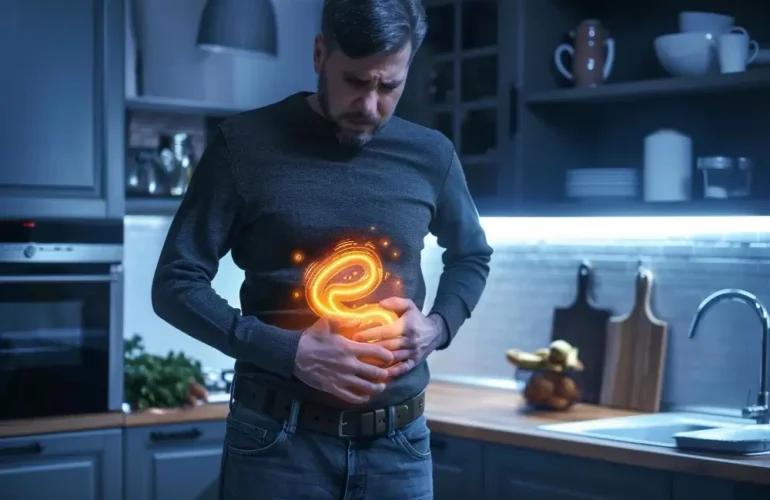
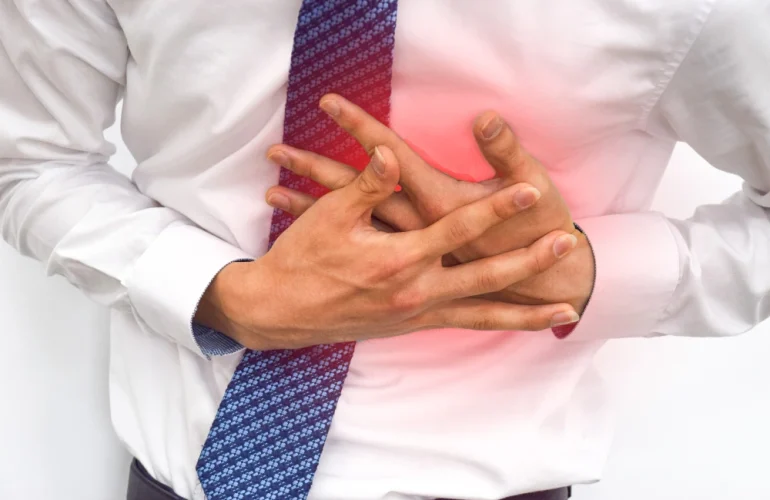
Severe Upper Right Abdominal Pain
The most common symptom is sudden pain in the upper right abdomen. Typically, this pain begins after eating oily or heavy food. It may last from 30 minutes to several hours. In addition, the pain can feel sharp or cramping.
Pain That Spreads to the Back or Shoulder
Gallstone pain does not always stay in one place. In many cases, it spreads to the upper back or right shoulder blade. This happens because of shared nerve pathways in the body.
Nausea and Vomiting
When bile flow is blocked, digestion becomes difficult. As a result, patients may feel constant nausea or even vomit after meals. If this happens repeatedly, medical evaluation is necessary.
Bloating and Indigestion
Many people mistake gallstones for simple acidity. However, frequent bloating, gas, and heaviness after eating fatty food may indicate gallbladder issues. If these symptoms keep returning, they should not be ignored.
Fever and Chills
If a gallstone causes infection or inflammation, fever and chills may occur. Most importantly, this is a serious condition that requires urgent medical attention.
Yellowing of Skin or Eyes (Jaundice)
If a gallstone blocks the bile duct completely, bile builds up in the bloodstream. Because of this, the skin and eyes may turn yellow. This symptom requires immediate treatment.
Changes in Stool or Urine Color
Blocked bile flow may cause pale stools or dark urine. Therefore, if you notice color changes along with pain, consult a specialist without delay.
Who Is at Higher Risk?
Certain people are more likely to develop gallstones, including:
- Individuals above 40 years
- Women (especially during pregnancy)
- Overweight or obese individuals
- People with high-fat diet
- Diabetic patients
- Those with a family history of gallstones
Lifestyle and diet play a major role in gallstone formation.
Frequently Asked Questions
Small gallstones may not cause symptoms. However, once symptoms appear, treatment is usually required.
If gallstones cause repeated pain or complications, doctors may recommend gallbladder removal surgery.
If gallstones cause repeated pain or complications, doctors may recommend gallbladder removal surgery.
Gallstones are usually diagnosed through ultrasound and other imaging tests.
When Should You See a Doctor?
Seek medical help immediately if you experience:
- Severe abdominal pain lasting more than 2–3 hours
- Fever with chills
- Persistent vomiting
- Yellowing of skin or eyes
Early diagnosis prevents serious complications.
Book a Consultation at Kolekar Hospital
If you are experiencing any symptoms of gallstones, do not ignore them. Early evaluation by a gastroenterology specialist can prevent complications and provide effective treatment.
Consult the experts at Kolekar Hospital’s Gastroenterology Department for proper diagnosis and advanced gallstone treatment options.