
Chest pain can be worrying, especially when it occurs suddenly or without an obvious reason. If you are wondering what causes chest pain in a woman, it is important to understand that there can be several possible causes. While chest pain is often associated with heart problems, it can also result from acid reflux, muscle strain, anxiety, lung conditions, hormonal changes, or breast-related problems.
Women may also experience heart-related conditions differently from men. Instead of severe or crushing chest pain, some women may experience shortness of breath, unusual tiredness, nausea, dizziness, sweating, or discomfort in the back, shoulder, arm, neck, or jaw.
Because chest pain can sometimes indicate a medical emergency, it should never be ignored, particularly when it is new, severe, persistent, or accompanied by other concerning symptoms.
What Causes Chest Pain in a Woman?
There is no single answer to what causes chest pain in a woman because chest discomfort can originate from different organs and tissues. The heart, lungs, digestive system, muscles, nerves, and breast tissue can all contribute to pain felt in or around the chest.
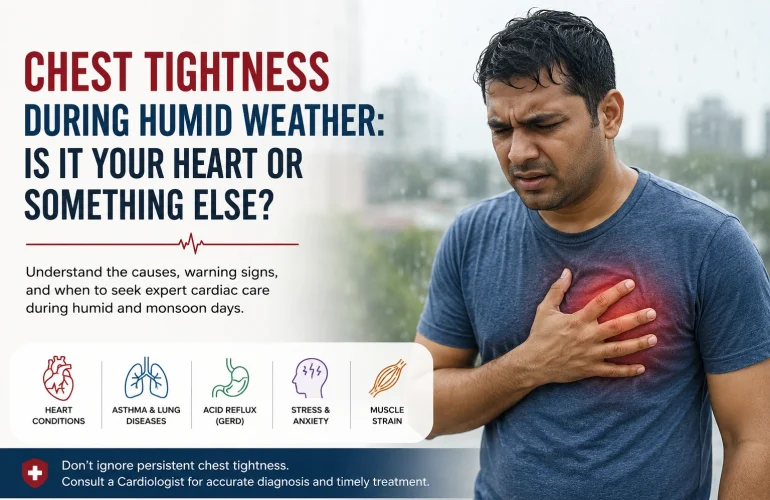
Some common causes include:
- Heart conditions such as angina or heart attack
- Acid reflux and indigestion
- Muscle strain or chest-wall inflammation
- Anxiety and panic attacks
- Lung infections and other respiratory conditions
- Inflammation around the heart
- Breast-related conditions
- Hormonal changes
The nature of the pain, when it occurs, how long it lasts, and whether it is associated with other symptoms can provide useful information. However, these symptoms alone cannot reliably determine the cause. A healthcare professional may need to perform an examination and appropriate tests.
Heart-Related Causes of Chest Pain in Women
One of the most important causes of chest pain to consider is a problem involving the heart. Conditions such as coronary artery disease, angina, and heart attack can cause chest discomfort.
Angina
Angina occurs when the heart muscle does not receive enough oxygen-rich blood. It may feel like pressure, tightness, squeezing, heaviness, or discomfort in the chest.
The discomfort may sometimes spread to the:
- Arm or shoulder
- Back
- Neck
- Jaw
Women may experience symptoms such as shortness of breath, nausea, or discomfort in areas other than the chest. Angina may occur during physical activity or emotional stress and may improve with rest, depending on the type.
Heart Attack
A heart attack occurs when blood flow to part of the heart becomes significantly reduced or blocked. It requires immediate medical attention.
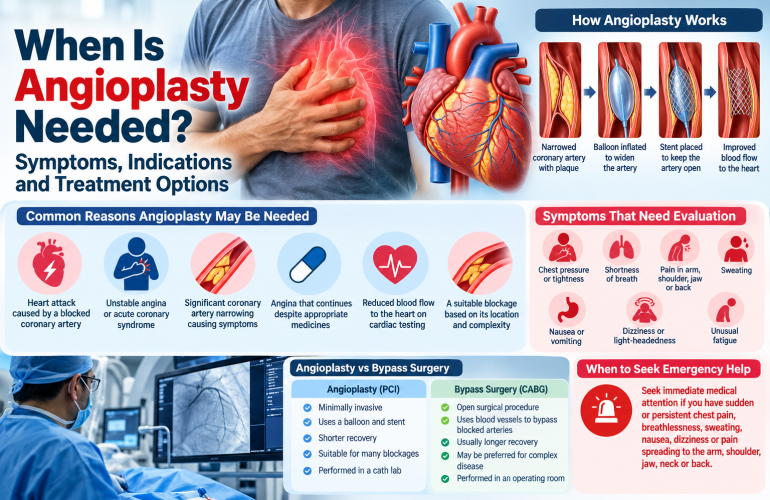
Chest pressure or discomfort is an important warning sign, but women may also experience symptoms such as:
- Shortness of breath
- Nausea or vomiting
- Cold sweating
- Dizziness
- Unusual tiredness
- Pain or discomfort in the back, shoulder, arm, neck, or jaw
Some women may have relatively mild symptoms, and symptoms can sometimes develop gradually. This is why unexplained chest discomfort should not automatically be dismissed as acidity, gas, or stress.
Can Acid Reflux Cause Chest Pain in Women?
Yes. Acid reflux and indigestion are common causes of chest discomfort. Gastroesophageal reflux disease (GERD) occurs when stomach contents flow back into the oesophagus, causing irritation.
Acid reflux-related chest discomfort may feel like burning behind the breastbone and may be accompanied by:
- Heartburn
- A sour or bitter taste in the mouth
- Burping
- Bloating
- Discomfort after meals
Symptoms may become worse after eating or when lying down.
However, heartburn and heart-related chest pain can sometimes feel similar. Therefore, new or unexplained chest pain should not automatically be assumed to be caused by acidity.
Muscle Strain and Chest Wall Pain
Another possible explanation for chest pain is a problem involving the muscles, ribs, or chest wall.
Muscle-related chest pain can occur after:
- Exercise or weightlifting
- Repetitive upper-body movements
- Coughing for a prolonged period
- An injury
- Sudden physical exertion
- Poor posture
This type of pain may become more noticeable when moving the upper body or touching the affected area.
Although muscle strain is generally less serious than many heart-related causes, it is still important to seek medical advice when the cause of chest pain is uncertain.
Can Anxiety Cause Chest Pain in Women?
Anxiety and panic attacks can cause physical symptoms, including chest discomfort. During a panic attack, a person may experience chest tightness along with rapid heartbeat, sweating, dizziness, trembling, or shortness of breath.
Stress can also cause muscle tension, which may contribute to discomfort around the chest and shoulders.
However, chest pain should not automatically be attributed to anxiety. Heart, lung, and other medical conditions can produce similar symptoms. If the pain is new, severe, persistent, or associated with other warning signs, medical evaluation is important.
Lung Conditions That Can Cause Chest Pain
Certain respiratory conditions can also cause chest pain. Depending on the condition, the pain may become worse when coughing or taking a deep breath.
Possible causes include:
- Pneumonia
- Pleurisy
- Respiratory infections
- Pulmonary embolism
- Certain chronic lung conditions
Chest pain associated with a lung problem may occur together with cough, fever, difficulty breathing, or a rapid heartbeat.
A pulmonary embolism, which occurs when a blood clot blocks an artery in the lungs, can be life-threatening. Sudden chest pain combined with significant shortness of breath, rapid heartbeat, coughing up blood, or fainting requires immediate emergency medical attention.
Pericarditis and Other Heart-Related Conditions
Pericarditis is inflammation of the thin sac surrounding the heart. It can cause sharp or stabbing chest pain. The discomfort may become worse with deep breathing, coughing, or lying down.
Other heart-related conditions can also cause chest discomfort, which is why identifying the exact cause requires proper medical assessment.
If chest pain is persistent or accompanied by breathlessness, dizziness, sweating, fainting, or pain spreading to other areas of the body, urgent medical care may be required.
Breast-Related Causes of Chest Discomfort
Sometimes women may describe pain around the chest when the actual source is breast tissue.
Breast pain or tenderness can occur due to:
- Hormonal changes during the menstrual cycle
- Pregnancy
- Breast cysts
- Breast infections
- Injury
- Poor breast support
Breast pain alone is not usually a sign of breast cancer. However, persistent breast pain accompanied by a new lump, skin changes, nipple changes, or unusual discharge should be evaluated by a healthcare professional.
Hormonal Changes and Chest or Breast Pain
Hormonal fluctuations can cause breast tenderness or discomfort in some women. Changes in oestrogen and progesterone levels during the menstrual cycle may make the breasts feel swollen, sensitive, or painful.
Similar symptoms may occur during pregnancy, perimenopause, and menopause.
Even when hormonal changes are suspected, persistent or unusual chest pain should not automatically be considered hormonal. A healthcare professional can determine whether further evaluation is necessary.
Chest Pain in Women: Understanding the Possible Causes
| Possible Cause | Symptoms or Features |
| Heart-related conditions | Pressure, tightness, heaviness, shortness of breath or discomfort spreading to the upper body |
| Acid reflux | Burning sensation, heartburn, sour taste, discomfort after meals |
| Muscle strain | Pain associated with movement, exercise, coughing, or injury |
| Anxiety or panic | Chest tightness, rapid heartbeat, sweating, dizziness |
| Lung conditions | Pain with breathing, cough, fever, or shortness of breath |
| Pericarditis | Sharp chest pain that may worsen with deep breathing or lying down |
| Breast-related causes | Localised breast tenderness or pain |
| Hormonal changes | Breast tenderness or discomfort related to menstrual or hormonal changes |
These symptoms are general patterns and cannot be used to diagnose the cause of chest pain.
Why Chest Pain Symptoms Can Be Different in Women
One important reason women should take chest discomfort seriously is that heart-related symptoms may not always appear in the same way as they are traditionally described.
While chest pressure or discomfort is an important symptom, some women may experience:
- Unusual or unexplained fatigue
- Shortness of breath
- Nausea
- Dizziness
- Cold sweating
- Back or shoulder discomfort
- Jaw or neck pain
- Discomfort in one or both arms
These symptoms can occur with or without significant chest pain.
For this reason, women should pay attention to unusual combinations of symptoms, particularly if they develop suddenly or occur during physical activity.
When Should a Woman Seek Emergency Medical Care for Chest Pain?
Chest pain requires urgent medical attention when it is sudden, severe, persistent, or associated with symptoms that could indicate a heart or lung emergency.
Seek emergency medical help if chest pain occurs with:
- Severe pressure, squeezing, or heaviness
- Difficulty breathing
- Cold sweating
- Nausea or vomiting
- Fainting or severe dizziness
- Rapid or irregular heartbeat
- Pain spreading to the arm, shoulder, back, neck, or jaw
- Sudden weakness or unusual extreme fatigue
Do not wait for symptoms to become severe before seeking help if you suspect a medical emergency.
How Is Chest Pain Diagnosed?
When you visit a doctor for chest pain, the evaluation may begin with questions about the location, duration, severity, and nature of the pain. Your medical history and risk factors are also important.
Depending on the symptoms, your doctor may recommend tests such as:
- Electrocardiogram (ECG)
- Blood tests
- Blood pressure and oxygen-level measurement
- Echocardiogram
- Chest X-ray
- Stress testing
- CT scans
- Coronary angiography
The tests required depend on the suspected cause and whether the symptoms suggest an emergency.
Risk Factors for Heart-Related Chest Pain in Women
Certain health and lifestyle factors can increase the risk of cardiovascular disease. These may include:
- High blood pressure
- Diabetes
- High cholesterol
- Smoking
- Obesity
- Physical inactivity
- Family history of heart disease
- Increasing age
- Certain pregnancy-related health conditions
Regular health check-ups can help identify and manage several of these risk factors.
How Can Women Reduce Their Risk of Heart Disease?
Although not every cause of chest pain can be prevented, maintaining cardiovascular health can help reduce the risk of heart disease.
Helpful measures include:
- Eating a balanced diet
- Staying physically active
- Avoiding smoking and tobacco
- Maintaining a healthy weight
- Managing blood pressure and cholesterol
- Controlling diabetes if present
- Getting adequate sleep
- Managing ongoing stress
- Attending regular health check-ups
Women with known risk factors should discuss appropriate preventive measures with their healthcare provider.
Frequently Asked Questions About Chest Pain in Women
What causes chest pain in a woman most commonly?
Chest pain in women can have several causes, including acid reflux, muscle strain, anxiety, respiratory conditions, breast-related discomfort, and heart-related conditions. The exact cause depends on the individual’s symptoms and health history.
Can gas cause chest pain in women?
Gas and indigestion can cause discomfort in the upper abdomen or chest. However, heart-related pain can sometimes feel similar to indigestion. New or unexplained chest pain should therefore be assessed rather than automatically attributed to gas.
Can stress cause chest pain in women?
Yes. Stress and anxiety can contribute to chest tightness, muscle tension, rapid heartbeat, and other physical symptoms. However, it is important to rule out medical causes when chest pain is new, severe, persistent, or accompanied by concerning symptoms.
Is chest pain always a sign of a heart problem?
No. Chest pain can be caused by digestive, muscular, respiratory, hormonal, breast-related, and other conditions. However, because some heart-related causes can be serious or life-threatening, unexplained chest pain should be taken seriously.
When should chest pain be treated as an emergency?
Seek immediate medical attention if chest pain is severe, persistent, or accompanied by difficulty breathing, sweating, nausea, fainting, dizziness, or discomfort spreading to the arm, shoulder, back, neck, or jaw.
Conclusion
Understanding what causes chest pain in a woman is important because chest discomfort can have many different causes. Acid reflux, muscle strain, anxiety, hormonal changes, breast-related conditions, lung problems, and heart conditions can all produce symptoms in or around the chest.
While some causes may be relatively minor, heart attacks and certain lung conditions can be life-threatening. Women may also experience heart-related problems with symptoms such as unusual fatigue, nausea, shortness of breath, dizziness, sweating, or discomfort in the back, shoulder, arm, neck, or jaw.
Therefore, new, unexplained, severe, or persistent chest pain should not be ignored. If symptoms suggest a medical emergency, seek immediate medical attention. For recurring or unexplained symptoms, consult a qualified healthcare professional for appropriate evaluation and treatment.
Medical Disclaimer: This article is intended for general educational purposes only and should not be considered a substitute for professional medical advice, diagnosis, or treatment. If you are experiencing severe or concerning chest pain, seek emergency medical care immediately.
Contact Details:
Kolekar Hospital & ICCU
| Multispeciality Hospital in Chembur |
Address: 2nd Floor, Omprakash Arcade, Approach to Ambedkar Garden Bus Stop Chembur Gaothan, Chembur 2nd & 3rd floor Omprakash Arcade, at Ambedkar garden, Chembur, Mumbai, Maharashtra 400071
Phone: 02235083100
Website: kolekarhospital.com