Pain After Eating Oily Foods? It Could Be Gallstones
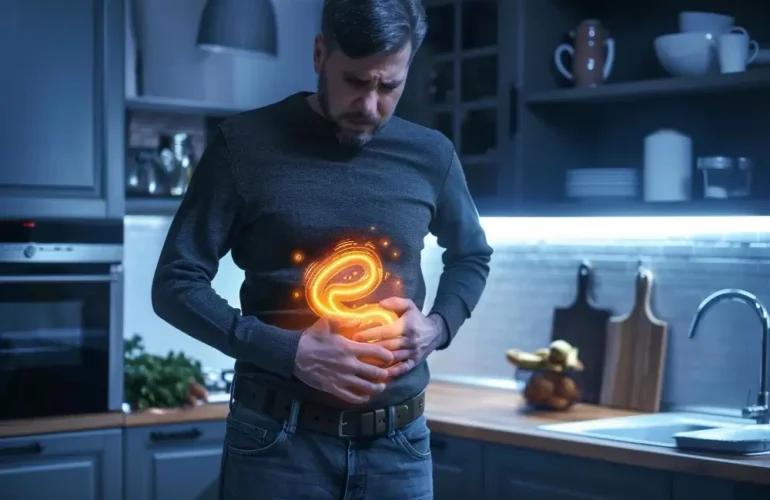
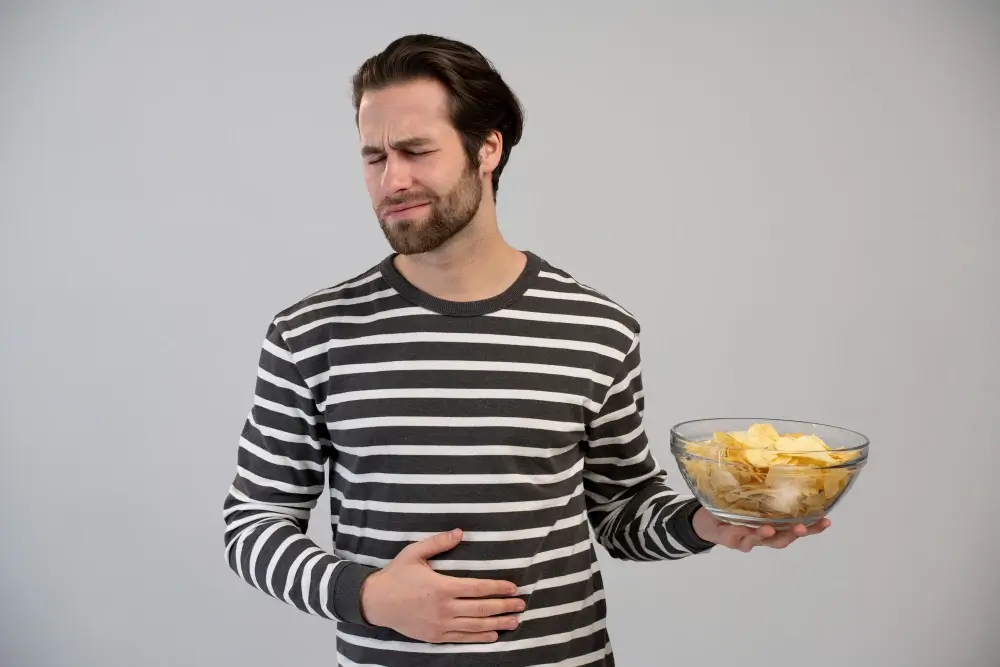
You’ve just enjoyed your favourite meal, perhaps a plate of samosas, biryani, butter chicken, or other rich foods. A short while later, you start feeling discomfort in the upper abdomen. The pain may feel sharp, cramp like, or accompanied by bloating and nausea.
Many people assume it’s just indigestion or acidity. However, if you repeatedly experience pain after eating oily foods, it could be a sign of gallstones. Gallstones are a common digestive condition that can affect the normal functioning of the gallbladder and lead to recurring abdominal pain.
Recognising the symptoms early can help prevent complications and ensure timely treatment.
Why Does Pain Occur After Eating Oily Foods?
The gallbladder is a small organ located beneath the liver. Its primary role is to store bile, a digestive fluid that helps break down fats.
Whenever you eat fatty or oily foods, the gallbladder contracts and releases bile into the digestive tract. However, if gallstones are present, they can obstruct the flow of bile and trigger pain.
How the Gallbladder Helps Digest Fat
Bile plays an important role in digesting fats efficiently. When the gallbladder functions normally, bile is released smoothly into the intestines to aid digestion.
What Happens When Gallstones Are Present?
Gallstones can block the pathways through which bile travels. As the gallbladder contracts after a fatty meal, pressure builds up, resulting in discomfort or pain.
Some people may also experience:
- Bloating after meals
- Nausea
- Vomiting
- Upper abdominal discomfort
- Pain that radiates to the back or right shoulder
Common Symptoms of Gallstones
Not everyone with gallstones develops symptoms. However, when symptoms occur, they often appear after eating oily or fatty foods.
Common signs of gallstones include:
- Pain in the upper right side of the abdomen
- Pain after eating oily foods
- Gallbladder pain after eating
- Nausea and vomiting
- Indigestion
- Bloating
- Pain between the shoulder blades
- Feeling unusually full after meals
The pain may last from several minutes to a few hours and can return repeatedly.
Who Is More Likely to Develop Gallstones?
Certain factors can increase the risk of developing gallstones. Understanding these risk factors may help individuals make informed lifestyle choices.
Common risk factors include:
- Obesity or excess body weight
- High-fat and high-cholesterol diets
- Diabetes
- Family history of gallstones
- Rapid weight loss
- Women above 40 years of age
- Sedentary lifestyle
While having these risk factors does not guarantee gallstones, they can significantly increase the likelihood of developing the condition.
When Should You See a Doctor?
Occasional digestive discomfort may not always indicate a serious problem. However, recurring symptoms should never be ignored.
Seek medical attention if you experience:
- Severe abdominal pain
- Fever or chills
- Persistent nausea or vomiting
- Yellowing of the skin or eyes (jaundice)
- Dark-colored urine
- Pain that repeatedly occurs after meals
Early evaluation can help prevent complications such as infection or inflammation of the gallbladder.
How Are Gallstones Diagnosed?
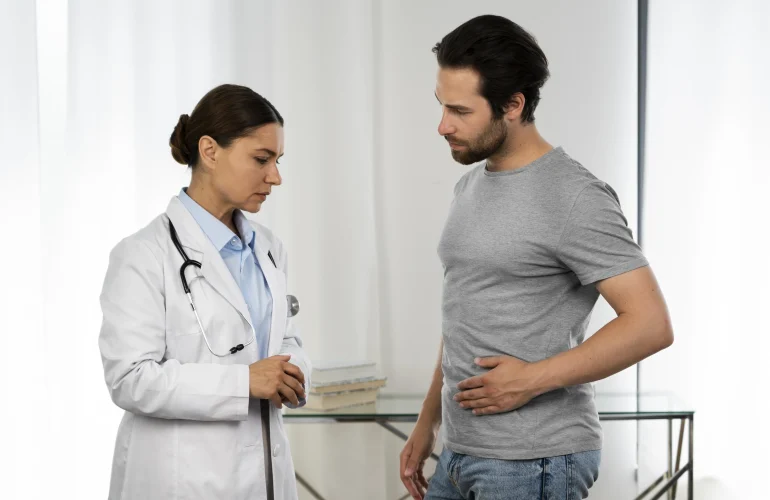
Diagnosing gallstones typically begins with a discussion of symptoms and a physical examination.
To confirm the diagnosis, your doctor may recommend:
- Ultrasound scan
- Blood tests
- CT scan
- MRI scan (in selected cases)
Ultrasound is often the first and most effective imaging test used to detect gallstones.
Accurate diagnosis allows doctors to determine the size, number, and location of the stones and plan the most suitable treatment.
Treatment Options for Gallstones
The best treatment depends on the severity of symptoms and the impact on daily life
Lifestyle Changes
For mild symptoms, doctors may recommend:
- Avoiding oily and fried foods
- Eating smaller, more frequent meals
- Maintaining a healthy weight
- Staying physically active
Medications
In specific situations, medications may be used to dissolve certain types of gallstones. However, this approach is not suitable for everyone.
Laparoscopic Gallbladder Surgery
When symptoms become frequent or severe, surgery is often the most effective solution.
Laparoscopic gallbladder surgery is a minimally invasive procedure performed through small incisions. It typically offers:
- Less pain
- Faster recovery
- Smaller scars
- Shorter hospital stay
Recovery After Gallbladder Surgery
Most patients recover well after laparoscopic gallbladder surgery and can gradually return to normal activities within a few weeks.
Tips for a smoother recovery:
- Follow your doctor’s dietary recommendations
- Stay hydrated
- Start with light meals
- Walk regularly to improve circulation
- Avoid heavy lifting during the recovery period
- Attend follow-up appointments
With proper care, most people return to their normal routine without significant dietary restrictions.
Can Gallstones Be Prevented?
Although not all gallstones can be prevented, healthy lifestyle habits can lower the risk.
Prevention tips:
- Limit oily and fried foods
- Eat a fibre-rich diet
- Maintain a healthy weight
- Exercise regularly
- Drink plenty of water
- Avoid crash dieting
Small lifestyle changes can make a significant difference in supporting gallbladder health.
Frequently Asked Questions About Gallstones
Not always, but many people with symptomatic gallstones notice discomfort after consuming fatty or oily foods.
Fried foods, high-fat meals, processed snacks, and heavily oily dishes should be limited.
Yes. Untreated gallstones can sometimes lead to infection, inflammation, or blockage of the bile ducts.
Some gallstones remain symptom-free and may not require treatment. However, symptomatic gallstones often need medical intervention.
Conclusion
Recurring pain after eating oily foods should not be dismissed as simple indigestion. In many cases, it may be a sign of gallstones affecting the normal function of the gallbladder. Recognising the symptoms early and seeking medical advice can help prevent complications and improve quality of life.
If the pain continues to return after meals, it is important to undergo proper evaluation and receive timely treatment.
If erectile dysfunction symptoms continue, consulting a specialist early can help identify the cause and guide the right treatment.
Get Expert Care for Gallstones
If you’re experiencing pain after eating oily foods or other symptoms of gallstones, the experienced surgical team at Kolekar Hospital, Chembur can help. We offer advanced diagnostic services and laparoscopic gallbladder surgery to ensure safe treatment and a smoother recovery.