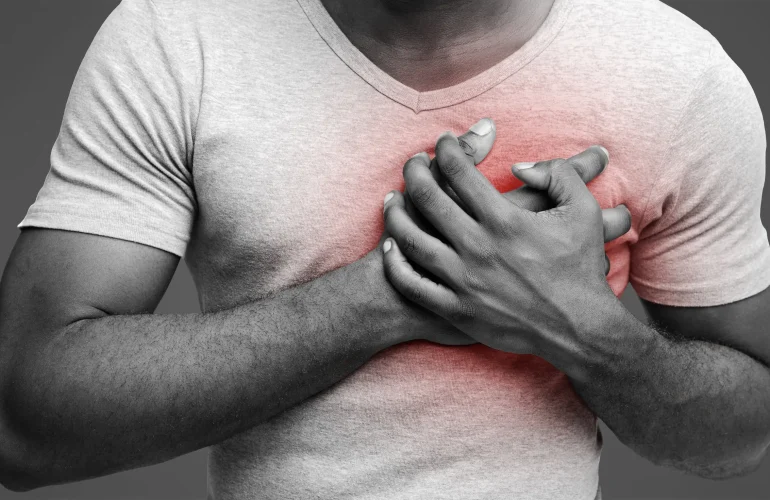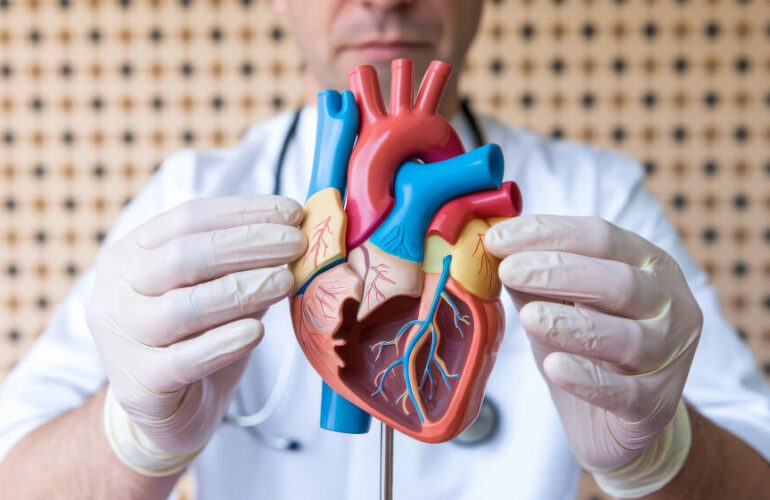

Blocked blood vessels are a common yet often unnoticed health concern that can increase the risk of serious conditions like heart disease and stroke. Many people ignore early signs of blocked blood vessels or are unaware of the lifestyle habits that slowly damage their arteries over time.
Understanding what causes blocked blood vessels and how your daily diet and routine affect them can help you take better control of your heart health. In this blog, we’ll explain the causes, early warning signs, and simple diet and lifestyle changes that can help keep your blood vessels healthy.
What Are Blocked Blood Vessels?
Blocked blood vessels occur when fatty deposits, cholesterol, and other substances build up inside the arteries. This buildup, known as plaque, narrows the blood vessels and restricts smooth blood flow.
Over time, this can reduce oxygen supply to vital organ to vital organs. You can think of it like a water pipe that gets clogged when the flow is restricted the system cannot function properly.
Common Causes of Blocked Blood Vessels
Several everyday habits and health conditions contribute to blocked blood vessels:
1. Unhealthy diet – Frequent intake of fried, oily, and processed foods increases bad cholesterol
2. High cholesterol levels – Lead to plaque buildup in arteries
3. Smoking – Damages blood vessel walls and reduces oxygen supply
4. Lack of physical activity – Slows down metabolism and circulation
5. High blood pressure – Puts extra strain on artery walls
6. Diabetes – Increases the risk of blood vessel damage
These factors often work together, gradually increasing the risk of blocked blood vessels and heart-related problems.
Early Signs of Blocked Blood Vessels You Should Not Ignore
Blocked blood vessels may not show symptoms early, but as the condition progresses, you may notice:
Chest discomfort or pain
Shortness of breath
Fatigue even after mild activity
Pain in the legs while walking
Dizziness or weakness
Early signs of reduced blood flow can help you seek timely care and prevent complications.
Foods Heart Patients Should Avoid in Summer
• Deep fried foods
• High salt snacks
• Processed and packaged foods
• Sugary beverages
• Excess caffeine
• Red meat
• Packaged fruit juices
These foods may increase cholesterol, blood pressure, and dehydration risk, which can negatively affect heart health.
Diet That Helps Prevent Blocked Blood Vessels
A healthy diet plays a major role in preventing blocked blood vessels and improving circulation.
| Category | Foods to Include | Benefits |
|---|---|---|
| Fruits | Apples, berries, oranges | Rich in antioxidants, reduce inflammation |
| Vegetables | Spinach, broccoli, carrots | Support heart health and improve blood flow |
| Whole Grains | Oats, brown rice | Help lower cholesterol levels |
| Healthy Fats | Nuts, seeds, olive oil | Improve good cholesterol (HDL) |
| Protein | Lentils, fish | Support overall body function |
Including these foods regularly can help reduce the risk of plaque buildup and support healthy blood vessels.
Foods to Avoid for Healthy Blood Vessels
Certain foods can increase the chances of blocked blood vessels if consumed frequently:
| Food | Why to Avoid |
|---|---|
| Fried and oily foods | Increase bad cholesterol |
| Processed foods | Contain unhealthy fats and additives |
| Sugary drinks | Lead to weight gain and metabolic issues |
| Excess salt | Raises blood pressure |
| Red meat (excess) | Can contribute to cholesterol buildup |
Reducing these foods is important to prevent worsening of blocked blood vessels.
Lifestyle Tips to Prevent Blocked Blood Vessels
Along with diet, daily habits play an important role in maintaining healthy blood vessels:
Exercise regularly – At least 30 minutes of physical activity
Quit smoking – Improves circulation and oxygen supply
Manage stress – Practice relaxation techniques
Maintain a healthy weight – Reduces strain on the heart
Regular health checkups – Monitor BP, sugar, and cholesterol
These simple habits can help lower the risk of blocked blood vessels and improve overall heart health.
FAQ
In the early stages, lifestyle and diet changes can help improve blood flow and prevent further damage. Medical treatment may be required in advanced cases.
Fruits, vegetables, whole grains, and healthy fats like nuts and olive oil are beneficial for heart health.
Yes, regular walking improves circulation and supports overall cardiovascular health.
Conclusion
Blocked blood vessels can develop silently over time, often without clear symptoms in the early stages. Making simple changes like improving your diet, staying active, and managing conditions like blood pressure or diabetes can go a long way in protecting your heart and overall health.
If you notice warning signs or have risk factors, it’s important to seek timely medical advice. A proper evaluation can help prevent complications and keep your blood vessels healthy in the long run.
If you are experiencing symptoms or have risk factors for blocked blood vessels, consulting a qualified doctor can help you understand your condition better. Early evaluation and the right guidance can make a significant difference in preventing serious complications.
Name: Kolekar Hospital
Phone (OPD): +91 75069 45763
Phone (IPD): +91 81049 61896
Email: kolekaraditya@gmail.com
Address:
Omprakash Arcade, 2nd, 3rd & 4th Floor,
Ambedkar Garden, Chembur,
Mumbai – 400071, Maharashtra, India