Cardiology

Heart Valve Repair vs Valve Replacement: What Is the Difference?

Heart Valve Repair vs Valve Replacement in Chembur

Heart valve repair vs valve replacement is a common concern for patients diagnosed with valve disease. When one of the heart valves does not open or close properly, blood flow becomes disrupted. As a result, the heart has to work harder, which may eventually lead to serious complications.

Many patients experience symptoms like breathlessness, fatigue, or chest discomfort before they even realise there is a valve issue. Therefore, understanding the difference between repair and replacement becomes extremely important. Although both procedures aim to restore proper blood circulation, the surgical approach and long-term outcomes can differ.

At Kolekar Hospital in Chembur, patients receive a comprehensive cardiac evaluation before deciding on the most suitable treatment. Let’s clearly understand how these two procedures differ.

What Is Heart Valve Disease?

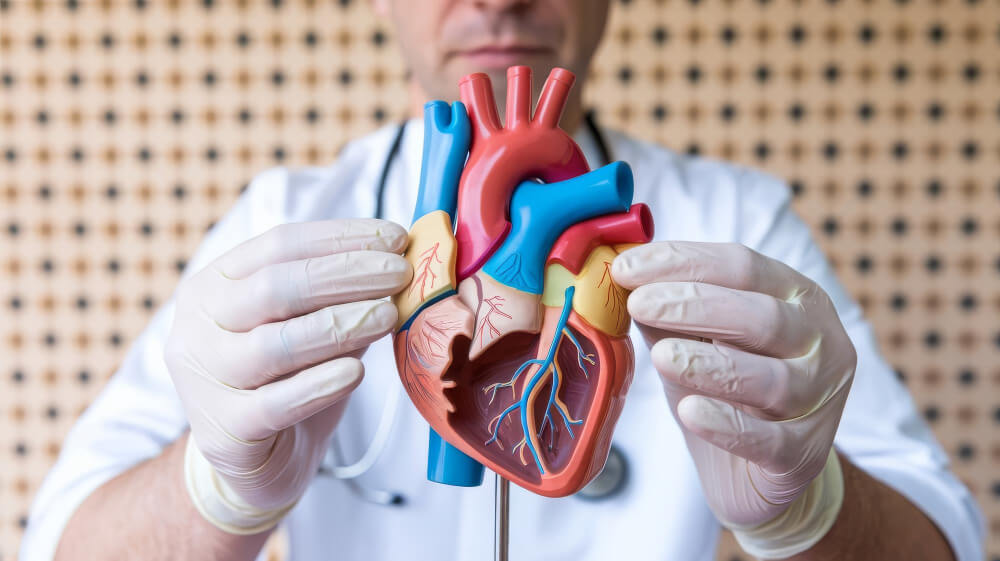
Heart valves control blood flow inside the heart. Four valves open and close with each heartbeat. However, when a valve becomes narrowed (stenosis) or leaky (regurgitation), blood flow becomes inefficient.

This condition may happen due to:

  • Age-related degeneration
  • Rheumatic fever
  • Congenital heart defects
  • Infection (endocarditis)
  • Calcium buildup

As a result, the heart has to work harder, which may eventually weaken the heart muscle.

Heart Valve Repair vs Valve Replacement: Key Differences

Although both procedures treat valve dysfunction, they differ in approach and suitability.

Heart Valve Repair

Heart valve repair involves fixing the patient’s existing valve instead of replacing it.

Common repair methods include:

  • Reshaping valve tissue
  • Removing excess tissue
  • Tightening the valve ring
  • Repairing tears

Advantages:

  • Preserves natural valve
  • Lower risk of infection
  • No lifelong blood thinners (in most cases)
  • Better long-term heart function

However, repair may not be possible if the valve is severely damaged.

Valve Replacement

Valve replacement involves removing the damaged valve and replacing it with:

  • Mechanical valve
  • Biological (tissue) valve

Advantages:

  • Suitable for severely damaged valves
  • Durable long-term solution

However, mechanical valves require lifelong blood-thinning medication.

Therefore, the decision between heart valve repair vs valve replacement depends on individual medical evaluation.

Symptoms That May Indicate Valve Surgery

You should not ignore the following symptoms:

  • Shortness of breath
  • Chest pain
  • Fatigue
  • Swelling in the legs
  • Irregular heartbeat
  • Dizziness or fainting

If these symptoms worsen over time, medical attention becomes necessary.

Why You Should See a Doctor Early

Early consultation is important because:

  • It prevents heart failure
  • It reduces surgical risk
  • It improves recovery outcomes
  • It allows timely monitoring

Most importantly, delaying treatment may lead to permanent heart damage.

Heart Valve Surgery in Chembur

At Kolekar Hospital, experienced cardiologists evaluate each case carefully before recommending treatment. Advanced diagnostic tools such as echocardiography and cardiac imaging help determine whether heart valve repair vs valve replacement is the better option.

Moreover, minimally invasive surgical techniques are available, which reduce recovery time and hospital stay. Therefore, patients in Chembur can access safe and advanced heart valve surgery close to home.

Valve repair is preferred when possible because it preserves the natural valve. However, severe damage may require replacement.

Mechanical valves can last decades, while tissue valves may last 10–20 years.

All surgeries carry risk. However, with modern techniques, outcomes are generally safe and successful.

Recovery varies but typically ranges from 4 to 8 weeks, depending on the procedure.

Conclusion

Understanding heart valve repair vs valve replacement helps patients make informed decisions about their heart health. Although both procedures are effective, the right choice depends on the individual’s medical condition and the severity of damage.

Therefore, if you are experiencing symptoms of heart valve disease, do not delay medical evaluation. Early treatment improves long term outcomes and protects heart function.

For expert heart valve surgery in Chembur, consult the cardiology team at Kolekar Hospital today.

Name: Kolekar Hospital

Phone (OPD): +91 75069 45763

Phone (IPD): +91 81049 61896 

Email: kolekaraditya@gmail.com

Address:
Omprakash Arcade, 2nd, 3rd & 4th Floor,
Ambedkar Garden, Chembur,
Mumbai – 400071, Maharashtra, India

Loading

Cardiology

Signs of heart attack in women

Signs of heart attack in women are often different from what many people traditionally associate with a heart attack. While chest pain is widely recognised, women may experience less obvious symptoms that are frequently mistaken for stress, acidity, or fatigue. This delay in recognition can lead to late diagnosis and increased complications. For women in Mumbai and across India, understanding these warning signs and knowing when to seek medical attention can be life-saving. Hospitals today focus on early detection, accurate diagnosis, and compassionate care to ensure better outcomes for female heart patients.

What Is heart attack in women

A heart attack, medically known as a myocardial infarction, occurs when blood flow to a part of the heart muscle is blocked, usually due to plaque buildup in the coronary arteries. Without timely restoration of blood flow, the affected heart muscle can suffer permanent damage.

In women, heart disease may develop differently compared to men. Hormonal changes, especially after menopause, conditions such as diabetes or high blood pressure, and lifestyle factors can all influence how symptoms appear. Unlike the dramatic chest pain often portrayed in movies, women may experience vague or milder discomfort that does not immediately feel cardiac in nature.

Hospitals with dedicated cardiology departments follow a patient-centric approach, using advanced diagnostic tools such as ECG, cardiac biomarkers, echocardiography, and imaging studies to quickly identify heart attacks in women. Early diagnosis allows doctors to start appropriate treatment, reduce complications, and improve recovery.

Diet to follow

Preventing heart disease and reducing the risk of a heart attack starts with daily lifestyle choices. Hospitals often guide women on heart-healthy habits that support long-term cardiovascular wellness. Key recommendations include:

  • Following a balanced diet rich in fruits, vegetables, whole grains, and lean proteins

  • Reducing intake of excess salt, sugar, and saturated or trans fats

  • Including heart-friendly fats such as nuts, seeds, and omega-3 rich foods

  • Maintaining a healthy body weight through regular physical activity

  • Managing stress through relaxation techniques, yoga, or meditation

  • Avoiding tobacco use and limiting alcohol consumption

  • Keeping regular health check-ups to monitor blood pressure, cholesterol, and blood sugar levels

These measures not only help prevent heart attacks but also support overall well-being, especially for women with a family history of heart disease.

When to See a Doctor

Recognising early symptoms is crucial. Signs of heart attack in women may vary in intensity and combination. Seek immediate medical attention if any of the following symptoms occur, especially if they are new, persistent, or worsening

  • Unusual chest discomfort, pressure, tightness, or burning sensation

  • Pain or discomfort in the arms, back, neck, jaw, or upper abdomen

  • Shortness of breath, with or without chest discomfort

  • Nausea, vomiting, or a feeling of indigestion

  • Sudden dizziness, light-headedness, or fainting

  • Cold sweats or unexplained fatigue

  • Extreme tiredness that lasts for days without a clear reason

Women should not ignore these symptoms or wait for them to pass. Early hospital evaluation can make a significant difference in treatment success and recovery.

Treatment Options

Appendix removal surgery, also known as appendectomy, is the most effective treatment for appendicitis.

Surgical options may include:

  • Laparoscopic appendectomy: Minimally invasive surgery with smaller cuts, less pain, and quicker recovery
  • Open appendectomy: Recommended in complicated or ruptured appendix cases

The choice of surgery depends on the patient’s condition and overall health.

Why Choose Kolekar Hospital

Choosing the right hospital for heart-related emergencies is a critical decision, especially when early diagnosis and timely treatment can save lives. Kolekar Hospital is a trusted healthcare facility in Mumbai, known for its patient first approach, experienced medical team, and reliable emergency care services.

The hospital is supported by skilled doctors who are trained to recognise both typical and atypical cardiac symptoms, including the subtle warning signs often seen in women. With access to modern diagnostic facilities, patients receive prompt evaluation and accurate assessment, helping doctors take swift, informed decisions during cardiac emergencies.

Kolekar Hospital offers round-the-clock emergency and critical care support, ensuring patients are never left waiting during crucial moments. Treatment protocols follow established medical standards, focusing on safety, clinical accuracy, and patient comfort at every stage of care.

A multidisciplinary team works together to provide personalised attention, from initial diagnosis to recovery guidance. Compassionate nursing care, clear communication, and post-treatment support help patients and families feel reassured throughout the treatment journey.

This commitment to ethical medical practice, dependable infrastructure, and compassionate care makes Kolekar Hospital a reliable choice for women seeking timely and effective heart care in Mumbai.


FAQ

Yes, heart attack symptoms in women can be different and sometimes less obvious than those seen in men. Along with chest discomfort, women may experience fatigue, breathlessness, nausea, back or jaw pain, and unexplained weakness. This is why early evaluation at a hospital is important if symptoms feel unusual or persistent.

While the risk increases with age, younger women can also experience heart attacks, especially if they have risk factors such as diabetes, high blood pressure, obesity, smoking, high stress levels, or a family history of heart disease. Any concerning symptoms should be medically evaluated, regardless of age.

ou should seek immediate medical attention if you notice sudden chest discomfort, shortness of breath, unexplained sweating, dizziness, or severe fatigue. Delaying treatment can increase the risk of complications, so it is always safer to visit the hospital early.

Conclusion

Heart attacks in women are more common than many realise, and their symptoms are often overlooked. Understanding the signs of heart attack in women empowers patients and families to act quickly and seek medical help without delay. Early diagnosis, supported by expert hospital care, can save lives and improve long-term heart health.

If you or a loved one experiences any warning signs, do not self-diagnose or delay care. Contact a qualified cardiology hospital in Mumbai for immediate evaluation and guidance. Your heart health deserves timely attention and trusted medical support.

Book Appointment

To book an appointment or seek urgent evaluation, visit the hospital website or contact the hospital directly.


Hospital:
Kolekar Hospital
Website: https://www.kolekarhospital.com
Email:
kolekaraditya@gmail.com
Phone: 8104961896 | 7506945763
Address: Omprakash Arcade, 2nd, 3rd & 4th Floor, Ambedkar Garden, Chembur, Mumbai – 400071, Maharashtra, India

Loading

Cardiology

What Causes Chest Pain in a Woman? Understanding the Risks, Symptoms, and Treatment Options

Chest pain is a common symptom that many individuals experience at some point in their lives. While most people associate chest pain with heart-related issues, the causes can vary significantly, especially for women. It’s crucial to understand the range of potential causes to help differentiate between benign conditions and those that may require immediate medical attention. In this blog, we’ll explore the various causes of chest pain in women, discuss risk factors, highlight when to seek medical help, and cover treatment options.

Understanding Chest Pain in Women

What Is Chest Pain?

Chest pain refers to any discomfort or pain that occurs in the area between your neck and upper abdomen. It can range from mild discomfort to sharp, stabbing pains, or even a sensation of heaviness or tightness. The pain may occur suddenly, or it may build over time.

For women, chest pain can be a warning sign of something serious, such as a heart attack, or it may be linked to other conditions like stress, digestive issues, or musculoskeletal problems. It is essential to evaluate the nature of the pain and accompanying symptoms to determine the cause.

Common Causes of Chest Pain in Women

1. Cardiovascular Issues

Cardiovascular problems are among the leading causes of chest pain in both men and women, though women are more likely to experience atypical symptoms. Understanding these conditions is vital for early detection and treatment.

A. Angina (Chest Pain from Heart Disease)

Angina occurs when the heart doesn’t get enough oxygen-rich blood due to narrowing or blockages in the coronary arteries. In women, angina might feel different from the typical “crushing” chest pain experienced by men.

  • Symptoms: Pressure, tightness, or squeezing in the chest, radiating pain to the arms, neck, jaw, or back.
  • Risk Factors: Family history of heart disease, smoking, high blood pressure, high cholesterol, obesity, and lack of physical activity.
  • When to Seek Medical Help: If chest pain occurs with shortness of breath, sweating, or dizziness.

B. Myocardial Infarction (Heart Attack)

A heart attack occurs when one of the heart’s arteries becomes completely blocked, preventing blood flow to the heart muscle.

  • Symptoms: Crushing chest pain, shortness of breath, nausea, pain radiating to the left arm or jaw, dizziness, and fatigue. Women may experience more subtle symptoms like indigestion, upper back pain, or nausea.
  • Risk Factors: High blood pressure, high cholesterol, smoking, diabetes, and family history of heart disease.

C. Pericarditis (Inflammation of the Heart Lining)

Pericarditis occurs when the lining around the heart becomes inflamed, often due to viral infections or autoimmune diseases. This can cause sharp, stabbing chest pain.

  • Symptoms: Sharp, pleuritic pain (worsens with deep breathing), fever, and difficulty swallowing.
  • Risk Factors: Recent viral infections, autoimmune diseases, or chest trauma.

2. Gastrointestinal Causes

Digestive issues can also contribute to chest pain in women. The gastrointestinal system is highly sensitive, and pain from acid reflux, gas, or other digestive problems can mimic heart-related pain.

A. Gastroesophageal Reflux Disease (GERD)

GERD occurs when stomach acid or bile irritates the food pipe. This often causes a burning sensation in the chest (heartburn).

  • Symptoms: Burning sensation in the chest, regurgitation of acid, difficulty swallowing, and sore throat.
  • Risk Factors: Obesity, smoking, alcohol consumption, pregnancy, and certain medications.
  • When to Seek Medical Help: If chest pain is accompanied by difficulty swallowing, weight loss, or vomiting blood.

B. Esophageal Spasms

Esophageal spasms occur when the muscles of the esophagus contract abnormally, causing pain that can resemble a heart attack.

  • Symptoms: Sudden, severe chest pain, difficulty swallowing, and regurgitation.
  • Risk Factors: Stress, smoking, and acid reflux disease.

C. Hiatal Hernia

A hiatal hernia happens when part of the stomach pushes up through the diaphragm into the chest cavity, leading to discomfort and pain.

  • Symptoms: Chest pain, heartburn, regurgitation, and difficulty swallowing.
  • Risk Factors: Obesity, age, and pregnancy.

3. Musculoskeletal and Costochondral Issues

Chest pain that is musculoskeletal in nature is often associated with injuries or inflammation in the muscles, ribs, or cartilage of the chest.

A. Costochondritis

Costochondritis is an inflammation of the cartilage connecting the ribs to the breastbone, leading to localized chest pain.

  • Symptoms: Sharp, stabbing pain in the chest, typically on the left side, which worsens with movement or deep breathing.
  • Risk Factors: Trauma or repetitive physical activity, viral infections.

B. Muscle Strain

Overexertion or an injury to the chest muscles can cause pain that mimics heart-related chest pain.

  • Symptoms: Pain that is localized to a specific area of the chest and worsens with movement or palpation.
  • Risk Factors: Heavy lifting, intense physical activity, or improper posture.

4. Psychological and Stress-Related Causes

Psychological stress and anxiety can manifest as physical symptoms, including chest pain. This is particularly common in women, who may experience emotional stress that translates into physical discomfort.

A. Panic Attacks

Panic attacks are intense episodes of fear or anxiety that can result in chest pain, shortness of breath, dizziness, and a racing heart.

  • Symptoms: Sudden chest pain, rapid heart rate, sweating, trembling, shortness of breath, and a feeling of impending doom.
  • Risk Factors: High levels of stress, anxiety disorders, and a history of panic attacks.
  • When to Seek Medical Help: If the symptoms are frequent or severe, or if chest pain persists despite reassurance.

5. Pulmonary Conditions

Pulmonary conditions that affect the lungs or pleura (the lining of the lungs) can lead to chest pain.

A. Pulmonary Embolism

A pulmonary embolism occurs when a blood clot travels to the lungs, blocking a pulmonary artery.

  • Symptoms: Sudden sharp chest pain, difficulty breathing, rapid heart rate, cough with blood.
  • Risk Factors: Blood clotting disorders, prolonged immobility, recent surgery, or pregnancy.

B. Pneumothorax (Collapsed Lung)

A pneumothorax occurs when air leaks into the space between the lung and chest wall, leading to sharp chest pain and difficulty breathing.

  • Symptoms: Sudden sharp chest pain, difficulty breathing, rapid heart rate.
  • Risk Factors: Previous lung disease, trauma to the chest, or smoking.

How to Differentiate Between Serious and Benign Chest Pain

While many causes of chest pain are benign, some can be life-threatening. Understanding the key characteristics can help you differentiate between them.

CausePain DescriptionAssociated SymptomsWhen to Seek Medical Help
Heart AttackCrushing or tight pain in chestShortness of breath, nausea, arm or jaw painImmediately; Call emergency services
AnginaPressure or tightness in chestSweating, dizziness, pain radiating to armsIf pain lasts more than 5 minutes
GERDBurning sensation in chestRegurgitation, sore throat, difficulty swallowingIf pain is frequent or severe
Muscle StrainLocalized sharp pain in chestWorsens with movement or palpationIf pain persists or worsens
Panic AttackTight or stabbing pain in chestShortness of breath, dizziness, racing heartIf recurrent or debilitating

When to See a Doctor

If you experience chest pain that is severe, sudden, or persistent, it is essential to seek medical attention immediately. Especially if the pain is accompanied by:

  • Difficulty breathing
  • Lightheadedness or dizziness
  • Pain radiating to the left arm, neck, or jaw
  • Nausea, vomiting, or cold sweats

Even if the pain seems mild, it is better to err on the side of caution. Early detection of conditions such as heart disease, lung disorders, or gastrointestinal issues can significantly improve treatment outcomes.

Conclusion: Stay Informed and Take Action

Chest pain in women can have a variety of causes, from cardiovascular issues to gastrointestinal problems or stress-related conditions. Understanding the symptoms, risk factors, and when to seek help is crucial in managing chest pain effectively. If you are experiencing chest pain, don’t hesitate to consult with a healthcare professional to determine the underlying cause and receive appropriate care.

At Kolekar Hospital, we are committed to providing personalized care and guidance for all your health concerns. If you’re experiencing chest pain or any other symptoms, our expert team is here to help. Book an appointment today for a thorough evaluation and peace of mind.

Loading

Cardiology

7 Second Trick to Prevent Heart Attack: Myth or Medical Miracle?

Heart disease is the leading cause of death worldwide, claiming millions of lives every year. In India alone, more than 28% of all deaths are due to cardiovascular diseases. As people become more health-conscious, there is growing interest in simple, practical methods to protect the heart including the viral 7 second trick to prevent heart attack. But is there any truth behind it?

In this blog, we’ll explore the scientific facts, medical advice, and real prevention strategies related to this trending heart health tip. Let’s understand if this “7-second trick” is more than just a social media trend and what Kolekar Hospital recommends to truly prevent heart attacks.

Understanding the early heart attack symptoms can be life-saving. While viral tricks like the “7-second cough method” gain attention, it’s crucial to recognise the real warning signs your body gives before a cardiac event. Knowing the symptoms and causes can help you take timely action and possibly prevent severe outcomes.

What is the 7 Second Trick to Prevent Heart Attack?

The “7 second trick to prevent heart attack” refers to a simple, quick breathing or movement-based technique believed to stimulate heart rate, circulation, and calm the nervous system. It often involves:

  • Deep breathing (inhale for 4 seconds, exhale for 3)
  • Coughing technique (used in CPR-like situations)
  • Muscle tensing or clenching technique to stimulate blood flow
  • Grounding method to reduce stress and lower blood pressure

These methods claim to give your heart a “reset” in under 10 seconds, especially during stressful moments or early signs of a heart event.

But do these tricks work as prevention, or are they just emergency hacks?

The Truth Behind the 7 Second Heart Trick

While the 7 second trick to prevent heart attack sounds impressive, there is no clinical evidence that one single trick can prevent a heart attack. However, some techniques may help reduce stress, regulate heart rhythm, or buy time during an emergency.

1. Cough CPR (Cardiopulmonary Resuscitation)

This is a technique shared widely online where the patient is advised to:

  • Take a deep breath
  • Cough forcefully every 2 seconds

Claim: It may keep blood flowing to the brain for a few seconds if the person feels a sudden irregular heartbeat.

Reality: Cough CPR is only useful in certain hospital-monitored settings. It is not recommended for use by untrained individuals at home.

2. Deep Breathing Techniques

  • Inhale deeply for 4 seconds
  • Hold briefly
  • Exhale slowly for 3 seconds

This 7-second breathing cycle is known to activate the parasympathetic nervous system, reducing blood pressure and stress.

Conclusion: While not a “heart attack cure,” it can help prevent cardiac risk over time when used regularly for stress management.

Real Heart Attack Prevention Methods: Beyond the 7 Second Trick

Rather than relying solely on one trick, true heart attack prevention comes from consistent heart-healthy habits. Here’s what Kolekar Hospital’s cardiology team recommends:

1. Know the Warning Signs

Early Symptoms of Heart AttackAction to Take
Chest pressure or tightnessCall emergency services immediately
Pain in jaw, neck, or left armDon’t ignore even if it’s mild
Sudden breathlessnessSit down, stay calm, seek help
Cold sweat, dizziness, nauseaMay be signs of blocked artery
Fatigue or lightheadednessEspecially common in women

Tip: Time is critical. Recognize signs early, don’t delay treatment.

2. Practice Daily 7-Second Breathing Sessions

While a single 7-second trick won’t replace lifelong prevention, regular breathing exercises (5-10 mins/day) can help reduce:

  • Blood pressure
  • Heart rate
  • Cortisol (stress hormone)

Try this once a day:

Inhale for 4 seconds → Hold for 1 second → Exhale for 3 seconds
Repeat this 10 times.

This exercise improves oxygen flow and reduces mental stress, which are both linked to long-term heart health.

3. Get Regular Health Screenings

Preventive check-ups can save lives. Kolekar Hospital recommends:

ScreeningHow Often
ECG / TMTAnnually after age 40
Blood Pressure MonitoringEvery 6 months
Lipid Profile (Cholesterol)Annually
Blood Sugar (Fasting & PP)Every 6–12 months
BMI / Obesity IndexEvery visit

Bonus Tip: Ask for a CT Coronary Angiogram if you have a family history of heart disease.

4. Adopt a Heart-Healthy Diet

You can prevent more than 80% of heart attacks with diet and lifestyle changes.

Include:

  • Leafy greens, berries, oats, walnuts
  • Omega-3-rich fish (like salmon)
  • Garlic and turmeric (natural anti-inflammatories)

Avoid:

  • Processed meats
  • Excess salt and sugar
  • Fried and packaged foods

Pro Tip: Follow the DASH Diet (Dietary Approaches to Stop Hypertension), approved by cardiologists.

5. Move Your Body Daily

A sedentary lifestyle is one of the top heart attack triggers.

ActivityMinimum Recommended Time
Brisk walking30 mins/day
Yoga or stretching15 mins/day
Strength training2 times/week
Climbing stairs5-10 mins/day

Even short bursts of movement, say, a 7-second stair sprint, can keep your heart stimulated and circulation flowing.

Emergency: What to Do During a Suspected Heart Attack

If you suspect you or someone near you is having a heart attack:

DO:

  • Chew 1 full aspirin (325 mg) immediately
  • Sit down, stay calm, and breathe deeply
  • Call emergency services (ambulance) without delay
  • Loosen tight clothing
  • Inform someone nearby

DON’T:

  • Attempt to drive yourself to the hospital
  • Ignore mild pain or assume it’s gas
  • Wait to “see if it gets better”
  • Follow unverified social media tricks
7 Second Trick to Prevent Heart Attack

What Makes Kolekar Hospital a Trusted Heart Care Destination?

At Kolekar Hospital, we believe in evidence-based cardiology, not just trends. Here’s why hundreds trust us for heart health:

Advanced diagnostic facilities (ECG, 2D Echo, TMT)
Expert cardiologists & heart surgeons
24×7 emergency support
Personalised heart health counselling
Holistic care with dieticians, physiotherapists, and lifestyle experts

Key Takeaways: 7 Second Trick to Prevent Heart Attack

Let’s summarise the truth about this popular concept:

What Works:

  • 7-second breathing for stress and blood pressure control
  • Regular micro-movements (short walks, stretches)
  • Daily mindfulness or grounding exercises

What Doesn’t:

  • No one-size-fits-all “trick” to fully prevent a heart attack
  • Social media CPR techniques without supervision

Final Thoughts: Prevention is a Lifestyle, Not a Shortcut

While the 7 second trick to prevent heart attack might offer short-term stress relief, long-term heart attack prevention comes from consistent, daily habits backed by medical science.

If you’re serious about protecting your heart, schedule a full heart health check-up today at Kolekar Hospital. Our team is here to help you live stronger, longer, and healthier.

Loading